Attic Ventilation Improvements and Cooling Efficiency
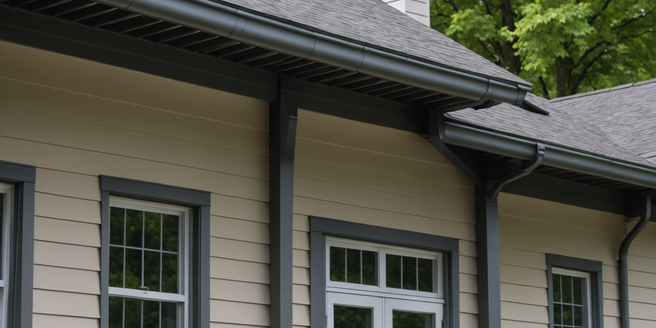
Understanding Your Current Attic Ventilation System
Your attic ventilation system plays a crucial role in maintaining your home’s temperature and protecting its structural integrity. Most attics utilize a combination of intake and exhaust vents to create continuous airflow. Soffit vents typically serve as intake points, drawing cool air from outside, while ridge vents or gable vents act as exhaust outlets. Understanding this system begins with inspecting your current setup to identify any blockages or inadequacies. Many homeowners overlook their attic ventilation until problems arise. A properly functioning system maintains consistent air circulation, preventing heat and moisture buildup. Check for proper vent spacing and ensure insulation isn’t blocking airflow. Assess whether your existing vents meet current building codes and your home’s specific requirements based on square footage and climate zone.
How Poor Attic Ventilation Impacts Cooling Costs
Inadequate attic ventilation directly increases your cooling expenses by allowing excessive heat to accumulate beneath your roof. During summer months, attic temperatures can reach well over 150 degrees Fahrenheit without proper ventilation. This extreme heat transfers downward through your ceiling, forcing air conditioning systems to work harder and longer. Your cooling costs can rise significantly as your HVAC unit struggles to maintain comfortable interior temperatures. Poor ventilation also contributes to uneven cooling throughout your home, creating hot spots and temperature inconsistencies. Beyond immediate energy expenses, inadequate ventilation accelerates cooling system wear and tear, potentially shortening its lifespan. Additionally, trapped heat and moisture create ideal conditions for mold growth and wood deterioration, leading to costly structural repairs. Investing in ventilation improvements provides substantial long-term savings.
Key Improvements to Enhance Air Circulation
Enhancing attic air circulation involves strategic upgrades to your existing ventilation infrastructure. Consider installing additional soffit vents to increase intake capacity, ensuring balanced airflow with exhaust outlets. Ridge vents provide superior exhaust performance compared to traditional gable vents, distributing air evenly along your roof line. Power ventilators can boost circulation in challenging attics with limited passive airflow potential. Ensure proper attic insulation installation to prevent blocking vents while maintaining thermal efficiency. Adding baffles directs airflow correctly and prevents insulation from impeding circulation. Seal air leaks around penetrations and ductwork to eliminate wasted conditioned air. Consider turbine vents as supplementary exhaust solutions for stubborn hot spots. Professional assessment determines your specific improvement needs based on attic size, climate, and current system inadequacies. These targeted enhancements create optimal airflow patterns that effectively remove heat.
Installing Ventilation Solutions That Maximize Efficiency
Proper installation of ventilation solutions requires careful planning and adherence to building codes and manufacturer specifications. Begin with a comprehensive audit of your attic to determine optimal vent placement and quantity. Soffit vents should be installed along the entire eave, spaced appropriately for maximum intake. Ridge vents need proper installation with appropriate cap design to prevent water infiltration while maximizing exhaust. Power ventilators require electrical connections and thermostat controls for automatic activation during high-temperature conditions. Ensure all ductwork connects properly to prevent air bypass or leakage. Secure all vents firmly to prevent damage from wind or settling. Professional installation guarantees compliance with local codes and warranty protection. Proper sealing and flashing prevent pest entry and water damage. Quality installation maximizes ventilation efficiency and protects your home investment while ensuring long-term reliability.
Measuring the Results: Energy Savings and Temperature Control
Measuring ventilation improvements requires tracking multiple performance indicators over time. Monitor your monthly cooling bills to quantify energy savings, typically ranging from fifteen to thirty percent depending on previous system inadequacy. Record attic temperatures regularly using thermometers or monitoring systems to verify heat reduction. Check interior temperature consistency throughout your home to assess improved comfort levels. Document any reduction in cooling system runtime through smart thermostat data analysis. Evaluate humidity levels to confirm moisture control improvements that extend structural lifespan. Professional energy audits provide detailed comparisons of pre and post-improvement performance. Most homeowners notice results within the first cooling season following installation. Establish baseline measurements before upgrades to accurately determine improvements. Long-term data collection reveals seasonal variations and system performance consistency. These measurements validate your investment and guide future maintenance or additional improvements.