Wind Energy Benefits
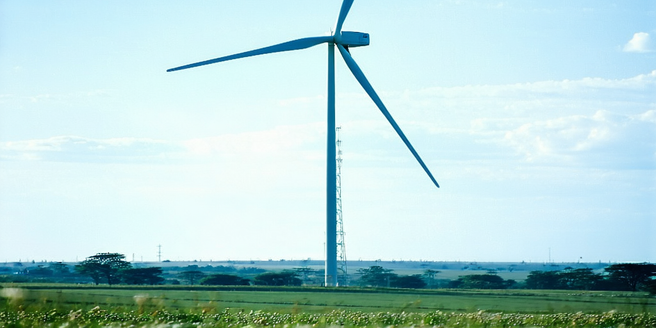
Environmental Impact of Wind Energy
Wind energy generates electricity without burning fossil fuels, reducing greenhouse gas emissions significantly. Unlike traditional power plants, wind farms do not release pollutants such as sulfur dioxide or nitrogen oxides into the atmosphere. This results in improved air quality and a decrease in acid rain, contributing to better public health and environmental standards. Moreover, the increasing adoption of wind energy technology is crucial for meeting global energy demands sustainably. The carbon footprint of wind energy is minimal over its lifecycle compared to other energy sources. While construction and maintenance have some environmental impact, the long-term benefits of reduced pollution and conservation of natural resources far outweigh these initial effects. Therefore, wind energy stands as a cleaner alternative crucial in the fight against climate change.
Economic Advantages of Wind Power
Wind power presents substantial economic benefits, fostering local development and reducing reliance on imported fuels. The cost of wind energy has dropped dramatically over the past decades, making it one of the most affordable sources of electricity today. This decrease in cost allows for lower energy prices, which benefits consumers and businesses. Moreover, the wind industry supports numerous local jobs in manufacturing, installation, and maintenance. Investment in wind energy infrastructure stimulates the economy through job creation and improved energy security. As a renewable resource, wind energy also aligns with global efforts to combat climate change. Additionally, wind farms provide a consistent source of income for landowners, contributing to economic growth in rural areas. Therefore, wind power is an economically viable option.
Job Creation in the Wind Industry
The wind industry is a significant driver of job creation. From turbine manufacturing to project development and maintenance, wind energy supports a robust workforce. According to industry reports, jobs in the wind sector are growing rapidly with a diverse range of opportunities. These include positions in engineering, construction, logistics, environmental consultancy, and sales. Notably, the geographical expansion of wind farms further increases job availability in rural areas. Furthermore, renewable energy jobs often pay above-average wages compared to fossil fuel industries, improving quality of life for workers. As the demand for clean energy grows, the wind industry is set to employ even more people, offering career stability and advancement. Programs and training initiatives are also expanding to equip workers with necessary skills.
Technological Advancements in Wind Energy
Recent technological advancements have significantly improved the efficiency and output of wind turbines. Innovations such as larger rotor diameters, taller towers, and improved blade designs allow turbines to capture more wind and produce more energy. As a result, wind farms are becoming more prevalent in remote and offshore locations. These advancements have led to lower costs per megawatt hour generated. Additionally, enhanced materials and construction techniques increase the durability and lifespan of turbines, offering a better return on investment. Digital monitoring systems and predictive maintenance are also revolutionizing operations by enabling real-time monitoring and reducing downtime. Continued research and development efforts promise further breakthroughs, driving efficiency and making wind energy a critical part of the global energy future.
Wind Energy and Energy Independence
Wind energy is pivotal in achieving energy independence by reducing reliance on imported fossil fuels. As a domestic energy source, wind power is abundant and widely available across the globe, providing countries with a greater degree of energy security. It not only supports environmental goals but also serves as a catalyst for technological innovation in the energy sector. By harnessing the power of wind, nations can diversify their energy portfolio, thus minimizing the impact of global fuel price fluctuations and geopolitical tensions. Furthermore, the fixed cost of wind energy provides a hedge against volatile energy markets. Being a renewable source, it contributes to a sustainable future while ensuring consistent energy supply. Thus, wind energy is vital for bolstering national security and promoting economic stability.
Challenges in Wind Energy Deployment
While wind energy offers numerous benefits, its deployment faces several challenges. Site selection is critical, as wind farms require locations with sufficient wind resources and minimal environmental and social impacts. Public opposition can arise due to concerns about noise, aesthetics, and land use. Numerous studies are being conducted to better understand and mitigate these concerns. Additionally, the initial capital costs for wind projects are high, though offset by low operational costs. Infrastructure development, such as transmission lines, is necessary to integrate wind power into existing grids. Furthermore, the variability of wind can pose issues for consistent energy supply, requiring advancements in storage technologies. Addressing these challenges is essential for the continued growth of wind energy.
Community Benefits from Wind Farms
Wind farms contribute to local communities by providing economic and social benefits. They create jobs, not only during construction but also through long-term operations and maintenance positions. Additionally, land lease agreements offer farmers and landowners a steady income stream, which can be especially valuable in rural areas. Wind projects increase tax revenues that finance local schools, roads, and infrastructure improvements. Furthermore, they can attract additional investments and businesses to the area, boosting overall economic growth. Moreover, community-owned wind projects foster a sense of local accountability and engagement, encouraging sustainable development. These projects often prioritize stakeholder involvement, ensuring that the needs and concerns of the community are addressed. Wind farms can vitalize local economies while promoting renewable energy.
Innovations in Wind Turbine Design
Innovations in wind turbine design are pivotal to the success of the wind energy sector. Modern turbines are engineered for greater efficiency and a lower environmental footprint. Developments in aerodynamics and materials have led to lighter, stronger blades, allowing for optimized energy capture even at lower wind speeds. The growing demand for renewable energy sources has spurred fast-paced advancements in the industry. Innovative designs, such as floating turbines, enable wind energy generation in new environments, including deep offshore areas with stronger winds. Additionally, modular and scalable designs facilitate easier transportation and assembly, reducing installation costs. As technology progresses, further innovations will lead to more adaptable, efficient, and cost-effective solutions for harnessing wind energy.
Impact of Wind Energy on Wildlife
While wind energy is cleaner than fossil fuels, it poses some risks to wildlife, particularly birds and bats. Collisions with turbine blades can result in fatalities if not managed carefully. To mitigate these impacts, wind farms utilize various strategies such as site assessment to avoid critical habitats, advanced radar to cease operations temporarily, and blade design improvements. Efforts are also underway to analyze patterns of animal movements to better inform turbine placement. Ongoing research aims to develop technology like ultrasonic deterrents that can ward off sensitive species. Balancing renewable energy goals with biodiversity conservation requires continued collaboration between scientists, policymakers, and the wind energy industry. By addressing these challenges, the sector can minimize its ecological footprint.
Future Prospects for Wind Energy Growth
The future prospects for wind energy growth are exceptionally promising due to global shifts toward renewable energy. As governments commit to reducing carbon emissions and enhancing sustainability, investments in wind projects are expected to rise. Technological advancements will continue to drive down costs, making wind energy more competitive with traditional power sources. Offshore wind, in particular, holds vast potential due to stronger and more consistent winds. Policymakers play a vital role in fostering this growth by providing subsidies, incentives, and streamlined regulatory processes. Public support for these initiatives is also growing, further solidifying the sector’s progress. As awareness and demand increase, the wind energy sector is poised to be a cornerstone of clean energy transition.