Thrifting Techniques for Home Decor Savings
Where to Find the Best Thrift Stores in Your Area
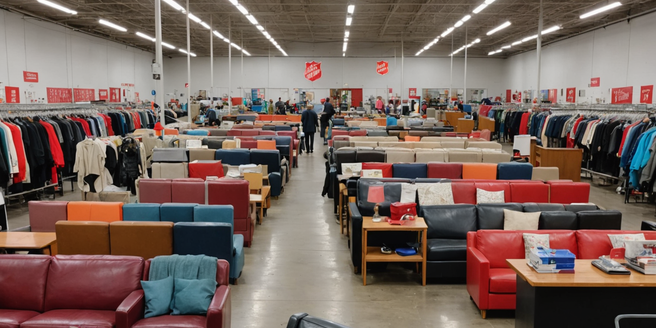
Finding quality thrift stores requires strategic exploration. Start by researching local Goodwill, Salvation Army, and independent consignment shops in your neighborhood. Visit during off-peak hours for better selection and staff assistance. Don’t overlook estate sales, church bazaars, and community swap events. Check online maps and review sites for hidden gems. Subscribe to store newsletters for exclusive sales and new arrival alerts. Building relationships with staff members can alert you to incoming inventory. Explore different neighborhoods, as affluent areas often have premium thrift stores with designer pieces. Visit regularly, as inventory changes frequently. Ask locals for recommendations. Many thrift stores have loyalty programs offering discounts. Create a route visiting multiple shops efficiently. Social media groups dedicated to local thrifting can provide valuable tips and store recommendations.
How to Spot Quality Pieces Worth Your Money
Quality assessment is essential for smart thrifting. Inspect seams, stitching, and structural integrity carefully. Check for solid wood construction rather than particle board or veneer. Run your hands across surfaces for smooth finishes without damage. Test drawers, hinges, and joints for smooth operation. Look for brand names known for durability and craftsmanship. Examine upholstery for stains, tears, or odors that might be difficult removing. Feel fabric weight and texture, avoiding cheap synthetics. Assess wood grain and patina indicating genuine aged pieces. Check for water damage, warping, or pest damage. Flip furniture to examine undersides. Take photos of condition details. Compare similar pieces’ pricing online. Consider repair costs versus item value. Trust your instincts about overall condition and functionality.
Negotiating Prices and Scoring Hidden Deals
Negotiation skills unlock significant savings at thrift stores. Always ask about discounts for bulk purchases or damaged items. Visit during clearance events or sales days for reduced prices. Build rapport with cashiers who might offer insider deals. Check discount racks and back corners for overlooked bargains. Ask about price matching or negotiation policies. Bundle purchases to request discounts. Shop on specific weekdays when stores offer promotions. Sign up for loyalty programs providing additional percentage discounts. Ask about student, senior, or military discounts. Inquire about upcoming sales before committing to purchases. Attend store preview nights offering early-bird specials. Negotiate respectfully on higher-priced items. Join thrifting communities sharing current deals and promotions. Follow stores on social media for flash sales and exclusive offers.
Furniture Flipping: Transform Thrifted Finds on a Budget
Furniture flipping transforms thrifted pieces into profitable investments. Start with simple projects like repainting dressers or tables using budget-friendly paint options. Learn basic upholstery techniques for chair refreshes. Sand and refinish wooden pieces to restore original beauty. Replace hardware inexpensively with modern alternatives. Combine multiple pieces creatively into unique furniture items. Document your transformations with quality before-and-after photos. Research current design trends for market demand. Price competitively after calculating material and labor costs. Sell through Facebook Marketplace, Craigslist, or local consignment shops. Build a reputation for quality workmanship. Start small, learning techniques gradually. Invest in essential tools and supplies gradually. Join online communities sharing flipping tips and techniques. Consider niche markets like vintage or mid-century modern styles.
Seasonal Shopping Strategies for Maximum Savings
Seasonal timing dramatically impacts thrift store inventory and pricing. Shop post-holiday seasons when stores receive donation surges. Winter months bring heavy furniture donations, perfect for finding deals. Spring cleaning season supplies home decor items in abundance. Back-to-school time offers furniture suitable for dorm rooms. End-of-season clearances reduce prices significantly on themed decor. Holiday decorations become deeply discounted after celebrations. Estate sales increase during summer months when families downsize. Monitor local moving seasons for influx of quality furniture. First Saturdays often feature special promotions at thrift stores. Weekday shopping yields better prices than weekends. Shop before major holidays when inventory refreshes. Track store patterns for their typical discount schedules. Combine seasonal shopping with loyalty programs for maximum savings. Plan purchases ahead knowing seasonal inventory patterns.
Styling Mismatched Thrifted Decor into Cohesive Rooms
Creating cohesion from eclectic thrifted pieces requires thoughtful styling. Establish a color palette limiting your selections to three or four coordinating colors. Mix different styles by focusing on consistent materials like wood or metal. Layer textures through rugs, throws, and pillow combinations. Use artwork and mirrors to unify disparate elements. Create focal points drawing attention away from mismatches. Arrange furniture intentionally showing design purpose. Paint or refinish pieces matching your established color scheme. Add plants and greenery bridging style differences. Incorporate statement lighting pieces tying rooms together. Display collections strategically on shelves or walls. Use negative space preventing visual overwhelm. Balance large statement pieces with smaller complementary items. Maintain consistent scale and proportion throughout spaces. Trust in eclectic design philosophy celebrating collected treasures.