Camping Trips Without Expensive Gear
Start Simple: Essential Gear You Already Own
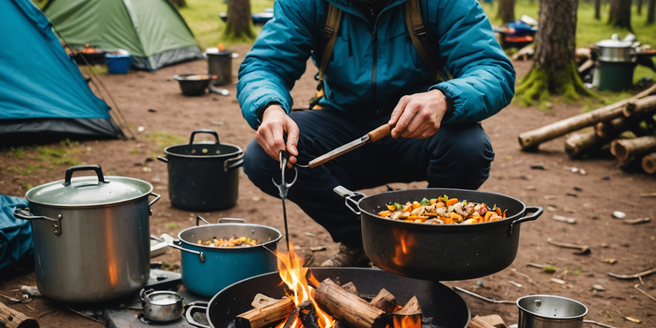
Before purchasing expensive camping equipment, assess what you already have at home. Your everyday items can serve multiple purposes in the wilderness. A regular blanket becomes a ground cover or emergency warmth layer. Kitchen utensils work perfectly for cooking outdoors. Flashlights, batteries, and first-aid supplies are likely already in your possession. Old clothing serves as layering options for temperature regulation. Mason jars can hold water or serve as lanterns with candles. Even your car’s trunk organizer becomes a camp supply container. Pillows from your bedroom provide comfort during sleep. These readily available items significantly reduce your initial investment while proving effective for basic camping needs. Start with what you have, then gradually invest in specialized equipment as you gain experience and understand your specific camping preferences.
Budget-Friendly Alternatives to Pricey Equipment
Expensive gear isn’t necessary for enjoyable camping experiences. Replace costly sleeping bags with quality blankets layered for insulation. Use tarps instead of expensive tents for weather protection. Rope and stakes from hardware stores cost pennies compared to specialized camping versions. Create shade structures using sheets and branches. Portable camping stoves can be replaced with a simple campfire cooking setup using rocks and grates. Coolers don’t require premium brands; any insulated container works. Sleeping pads can be DIY versions using foam from old mattresses. Purchase generic camping supplies from discount retailers rather than specialty outdoor stores. Borrow high-end items before buying them. Thrift stores often carry outdoor gear at fraction prices. Generic camping cookware serves identical purposes as branded alternatives. These substitutions maintain safety and comfort while drastically reducing expenses.
Camping Locations That Require Minimal Setup
Selecting appropriate camping locations dramatically reduces gear requirements. Established campgrounds with amenities like water and restrooms eliminate many necessities. State parks often provide picnic tables and fire rings, minimizing what you need to bring. Beach camping requires minimal shelter since sun protection suffices instead of full tents. Local forests with natural shelters like rock outcrops reduce equipment needs. Lakeside areas offer water access for cooking and cleaning. Visit family properties or friends’ land where infrastructure already exists. Public lands often have designated camping areas with basic facilities. Urban parks increasingly offer camping experiences with existing facilities nearby. Scout locations beforehand to identify natural resources and existing structures. Areas near civilization provide emergency access if needed. These strategic location choices transform your camping trip into an affordable adventure requiring substantially less specialized equipment.
DIY Solutions for Common Camping Needs
Creative DIY solutions address common camping challenges without expensive purchases. Build a camp shower using a tree branch, rope, and water container elevated overhead. Construct a camping stove from rocks arranged around your fire. Make a lantern by placing a candle inside a paper bag weighted with sand. Create an insect repellent using essential oils and water in spray bottles. Build a clothesline using rope between trees. Construct a camp table from fallen logs or branches. Make kindling from dryer lint and cardboard. Fashion a compass from a needle and water. Create storage solutions using fabric scraps and rope. Build a wind break using branches and leaves. Construct a camp chair from logs and branches. Make cooking utensils from sturdy sticks and natural materials. Fabricate a weather-resistant storage container from old plastic bins. These DIY approaches reduce costs while providing resourceful satisfaction.
Tips for Borrowing and Renting Instead of Buying
Borrowing and renting gear eliminates unnecessary purchases while testing equipment before investing. Ask friends and family members about unused camping equipment gathering dust in storage. Many communities have tool libraries that include camping gear sections available for borrowing. Rental companies offer tents, sleeping bags, and cookware at reasonable daily rates. Event rental shops provide group camping supplies at discounted packages. Facebook groups and Nextdoor communities connect you with neighbors willing to loan equipment. Outdoor retailers increasingly offer rental programs for seasonal gear. Business-to-consumer sharing apps connect you with individuals renting personal equipment. Try borrowed gear before purchasing similar items yourself. Rental flexibility allows upgrading as your needs evolve. Library systems increasingly offer equipment lending programs. This approach lets beginners experience camping affordably while determining which investments matter most. Save purchasing money for essential items you’ll use repeatedly.