Thrift Store Kitchenware Collection Strategies
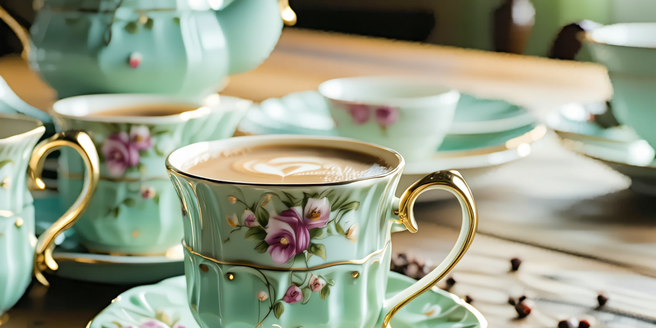
Understanding the Value of Vintage Kitchenware
Vintage kitchenware holds a unique appeal, offering both functional and aesthetic value. As the market for these items grows, it’s essential to understand their historical and cultural significance. Many vintage pieces are known for their durability and craftsmanship, distinguishing them from modern counterparts. Additionally, they often feature unique designs characteristic of the era they were produced in. Collectors and aficionados appreciate these attributes, driving demand and often increasing their resale value. However, the value can vary significantly based on factors like rarity, brand, and condition. To truly grasp the potential of vintage kitchenware, enthusiasts should research and educate themselves on what makes these items desirable, turning casual browsing into strategic collecting. This understanding not only enhances appreciation but also aids in making informed purchases that contribute to a valuable collection.
Researching Brands and Materials
To effectively collect thrift store kitchenware, research is fundamental. Study which brands and materials are sought after by collectors and why. For instance, brands like Pyrex, Le Creuset, and Fiesta are known for their craftsmanship and longevity. Materials such as cast iron, stoneware, and fine china can significantly affect an item’s worth. Understanding these nuances helps identify pieces that are not only visually appealing but also investment-worthy. Online forums, collector groups, and historical records offer a wealth of information. Knowing the history behind a brand or material can be instrumental in recognizing valuable finds. By investing time in research, you enhance your ability to discern quality items, ensuring that your kitchenware collection is both meaningful and potentially lucrative.
Creating a Wish List to Guide Purchases
A focused approach to collecting thrift store kitchenware involves creating a wish list. This strategy prevents impulsive buying and ensures that your collection remains cohesive. Start by listing specific items or categories that interest you, such as enamelware, vintage utensils, or particular patterns. Consider factors like functionality, aesthetic appeal, and historical value. A clear list helps prioritize acquisitions and allocate budget efficiently. Moreover, it provides clarity when shopping at thrift stores, where the variety can be overwhelming. By adhering to a thoughtfully curated wish list, you avoid clutter and ensure that every piece in your collection has a purpose. This disciplined approach not only enhances the quality of your collection but also contributes to a more enjoyable and fulfilling collecting experience.
Inspecting Items for Quality and Condition
When shopping for thrift store kitchenware, inspecting items for quality and condition is crucial. Begin by examining for chips, cracks, and stains, especially on ceramic and glass items, as these flaws can alter an item’s value and usability. Check metal pieces for rust or dents, and wooden items for signs of warping or splitting. Functionality should also be assessed; lids should fit snugly, handles should be secure, and any moving parts should operate smoothly. Being meticulous in inspection helps ensure that you’re bringing home pieces that are worth your investment. It also prevents disappointment later on when you might discover an imperfection that compromises an item’s resale value or longevity. By being thorough, you contribute to creating a collection that’s not just aesthetically pleasing, but also enduring and valuable.
Effective Bargaining Techniques at Thrift Stores
Mastering bargaining techniques can greatly enhance your thrift store kitchenware collection. Begin by being polite and showing genuine interest in the item, which sets a positive tone. It’s essential to research typical prices beforehand, so you’re well-informed about the item’s worth. Make a reasonable initial offer that leaves room for negotiation but isn’t too low to insult. Highlight any flaws or imperfections as a basis for lowering the price. Additionally, buying multiple items at once can increase your leverage, as sellers may be willing to offer discounts on bundle purchases. Building rapport with sellers over time can also lead to better deals. Effective bargaining not only saves money but also enhances the thrill of thrift store hunting, allowing you to expand your collection strategically and affordably.