Methods for Reducing Dishwashing Energy Consumption
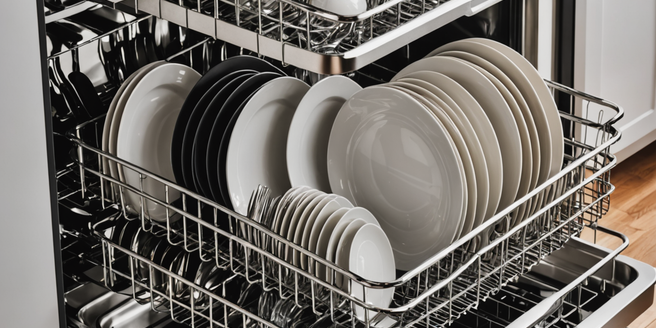
Understanding Your Dishwasher’s Energy Usage Patterns
Most modern dishwashers consume between 1.5 to 2.7 kilowatt-hours per cycle, making them significant household energy users. Understanding your appliance’s energy consumption patterns is crucial for optimization. Dishwashers typically use more energy during heated drying cycles than washing phases. Temperature settings dramatically impact overall consumption, with hot water cycles using substantially more electricity than cold or warm alternatives. The number of cycles your dishwasher runs weekly directly affects monthly energy bills. By monitoring usage patterns, you can identify peak consumption times and adjust accordingly. Many dishwashers feature built-in energy displays showing consumption data. Tracking this information helps establish baseline measurements for comparing improvement strategies. Environmental factors like incoming water temperature also influence energy requirements. Understanding these patterns empowers homeowners to make informed decisions about operational adjustments and settings modifications.
Optimizing Load Size and Washing Cycles
Running full loads significantly reduces per-dish energy consumption compared to partial loads. A completely filled dishwasher distributes energy use across more items, improving efficiency ratings substantially. Modern dishwashers have sensors detecting load size and automatically adjusting water and energy accordingly. Utilizing shorter eco-cycles for lightly soiled dishes conserves considerable energy without compromising cleanliness. Heavy-duty cycles should reserve for genuinely grimy cookware requiring intensive cleaning. Many households unnecessarily run regular cycles for moderately soiled items. Experimenting with cycle types reveals optimal settings for different dishwashing needs. Combining multiple load types into single fuller loads maximizes efficiency. Scheduling dishwasher runs during off-peak electricity hours further reduces overall costs. Pre-rinsing dishes before loading typically wastes water and energy, contradicting efficiency goals. Modern detergents work effectively without pre-rinsing, allowing deposits to accumulate slightly. These practices collectively minimize unnecessary energy expenditure.
Leveraging Eco-Friendly Settings and Technologies
Contemporary dishwashers incorporate sophisticated eco-settings specifically engineered for energy conservation. Eco-mode reduces water temperature, extends cycle duration, and optimizes spray patterns for maximum cleaning efficiency. Air-dry options eliminate heated drying phases, substantially lowering energy consumption. Delay-start features allow scheduling runs during off-peak electricity periods, reducing utility costs. Sensor-based cleaning adjusts water usage dynamically based on soil levels detected during operation. EnergyStar certified models guarantee superior efficiency compared to older appliances. Some premium dishwashers feature third-rack technology distributing loads optimally and improving cleaning effectiveness. Soil sensors automatically determine necessary wash duration, preventing unnecessary extended cycles. Zone washing capabilities enable different cycle intensities for various load areas simultaneously. Upgrading to technologically advanced models represents significant long-term savings despite higher initial investment. These innovations collectively represent substantial improvements in energy efficiency.
Maintenance Strategies to Preserve Efficiency
Regular maintenance sustains optimal dishwasher energy efficiency throughout its operational lifespan. Cleaning spray arm nozzles prevents water distribution problems requiring increased pressure and energy. Removing food particles from filter screens allows proper drainage and circulation patterns. Descaling interior components quarterly eliminates mineral deposits reducing efficiency over time. Inspecting door seals ensures proper closure preventing heat and water leakage during cycles. Checking inlet valve screens prevents blockages requiring longer operation periods. Maintaining proper detergent levels optimizes cleaning action without excessive consumption. Using rinse aids improves drying efficiency, reducing supplementary drying requirements. Examining spray arms for damage ensures complete coverage during washing phases. Professional servicing annually identifies emerging efficiency issues before substantial performance degradation occurs. Keeping manufacturer-recommended temperature settings prevents unnecessary energy expenditure. These maintenance practices extend appliance lifespan while preserving energy efficiency ratings.
Comparing Hand Washing vs. Machine Washing Energy Costs
Contrary to common assumptions, hand washing typically consumes significantly more energy and water than machine washing. Hand washing requires continuously running hot water throughout extended washing sessions, consuming substantial energy. Heating water for hand washing often accounts for approximately 80 percent of total energy usage. Modern dishwashers complete cycles using predetermined water volumes, providing superior efficiency. A full dishwasher cycle uses approximately 27 gallons water compared to hand washing consuming 40-plus gallons. Energy costs favor machine washing substantially, especially using eco-cycles and air-drying options. Hand washing twelve place settings requires multiple hot water replenishments exceeding machine energy consumption. Environmental impact considerations further favor mechanical washing given reduced resource consumption. Dishwashers provide consistent cleaning reliability without temperature variation affecting effectiveness. Financial analysis demonstrates monthly savings through exclusive machine washing. Combining efficient practices maximizes dishwasher advantages over hand washing approaches.