Drought-resistant Landscaping
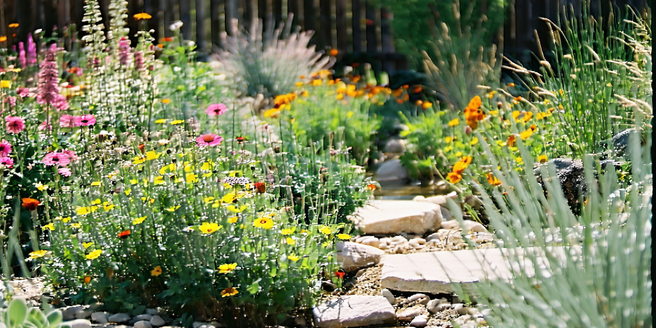
Understanding Drought-Resistant Landscaping Techniques
Drought-resistant landscaping is a way to create beautiful outdoor spaces that require minimal water. By incorporating native plants and efficient irrigation systems, these landscapes minimize water usage while maintaining visual appeal. This approach not only helps in water conservation but also reduces maintenance costs and resource demands. With climate change affecting water availability, understanding these techniques becomes crucial. Homeowners can use Xeriscaping principles, which focus on water-wise plant selection and efficient irrigation, as a foundation. Implementing these techniques can significantly contribute to sustainable urban development, helping cities tackle the challenges of water scarcity. Innovative designs combined with smart technology can enhance outdoor environments, making them both eco-friendly and attractive. Embracing drought-resistant strategies ensures resilient landscapes that thrive even in harsh climate conditions, supporting long-term environmental well-being.
Benefits of Implementing a Drought-Tolerant Garden
Creating a drought-tolerant garden offers numerous benefits beyond water conservation. Such gardens are designed to thrive with minimal watering by incorporating plants that require less moisture. The primary advantage is a reduction in water bills and resource consumption, making it an economically viable choice for homeowners. Additionally, these gardens often involve less maintenance, saving time on care and irrigation. Another significant benefit is the enhancement of biodiversity, as native plants can attract local wildlife, including pollinators like bees and butterflies. Aesthetically, drought-tolerant gardens can be just as stunning as traditional landscapes, providing vibrant colors and unique textures. They also contribute positively to the environment by reducing runoff and soil erosion. By opting for drought-resistant plants, gardeners can create sustainable ecosystems that are both functional and visually appealing.
Selecting Appropriate Plants for Dry Conditions
Choosing the right plants is crucial for a successful drought-resistant landscape. Native plants are often the best choice because they have adapted to thrive in local conditions and require minimal watering. Succulents, grasses, and flowering perennials are excellent options as they come in various colors and textures and are known for their ability to store water. Mediterranean plants such as lavender, rosemary, and sage are also well-suited for dry climates, offering aromatic foliage and beautiful flowers. Consider plants with deep root systems that seek out moisture in the soil. It is important to group plants with similar water needs to maximize irrigation efficiency. By thoughtfully selecting plants suited for arid environments, one can create a robust garden that remains attractive and vibrant throughout the year, withstanding challenging weather conditions with ease.
Efficient Irrigation Solutions for Water Conservation
To conserve water in drought-prone areas, implementing efficient irrigation systems is essential. Drip irrigation is one of the most effective methods, delivering water directly to the roots of plants, thus minimizing evaporation and runoff. Another option is the use of soaker hoses which allow water to seep slowly into the soil. Smart irrigation controllers adjust watering schedules based on weather conditions, ensuring that plants receive the optimal amount of water needed. Rainwater harvesting can supplement irrigation by collecting stormwater for garden use. Mulching around plants also helps retain soil moisture, further reducing the frequency of watering needed. These techniques, when combined, create a comprehensive strategy for sustainable water management. By adopting such solutions, gardeners can significantly reduce water usage while maintaining lush, healthy landscapes that thrive even in times of drought.
Soil Management Tips for Arid Environments
Proper soil management is critical for supporting plant health in arid environments. Start by assessing soil composition and amend it to improve water retention and nutrient availability. Incorporating organic matter such as compost or aged manure can greatly enhance soil structure and fertility. Use mulch as a protective layer on the soil surface to reduce evaporation and moderate temperature. Aerating compacted soil helps improve drainage and encourages root growth. Periodic soil testing to assess pH and nutrient levels guides adjustments in fertilization plans. Consider adding gypsum to alkaline soils to improve permeability. Techniques like rain gardens can be effective in capturing runoff and increasing groundwater recharge. By focusing on soil health and adopting these practices, gardeners can create resilient landscapes capable of thriving under challenging dry conditions while promoting sustainable land use.
Incorporating Mulch and Ground Cover for Moisture Retention
Using mulch and ground cover plants is a key strategy in retaining soil moisture and reducing water requirements for drought-resistant landscapes. Mulch acts as a barrier, limiting evaporation and protecting the soil from the sun’s heat. Organic mulches, such as wood chips or straw, decompose over time, enriching the soil with nutrients. Inorganic mulches like gravel or stones provide long-lasting solutions for moisture conservation. Ground cover plants, such as creeping thyme or sedum, spread across the soil, offering shade and further reducing moisture loss. They also add an aesthetic dimension and prevent weed growth. When combined, mulch and ground cover create a microenvironment that supports healthy plant growth with less water. This approach not only conserves resources but also enhances the garden’s beauty and ecological functionality.
Design Ideas to Maximize Aesthetic Appeal and Functionality
Creating a drought-resistant landscape doesn’t mean sacrificing beauty for sustainability. With thoughtful design, it’s possible to achieve a garden that is both aesthetically pleasing and water-efficient. Start by selecting a color palette of drought-tolerant plants to provide year-round interest. Use hardscaping elements like stone pathways or gravel beds to add texture and structure. Incorporate water features such as dry riverbeds or reflective pools that require minimal upkeep. Vertical gardens or raised beds can bring variety and define spaces, while strategically placed seating areas invite relaxation and enjoyment of the environment. Consider using native grasses and wildflowers to introduce movement and attract wildlife. Artistic focal points, such as sculptural plants or outdoor art, further enhance the landscape’s character, ensuring that functionality and visual appeal are perfectly balanced.
Maintaining Your Drought-Resistant Landscape Year-Round
A successful drought-resistant landscape requires ongoing maintenance to ensure its longevity and health. Regularly monitor your irrigation system to make sure it is functioning correctly and adjust it according to seasonal changes. Pruning plants encourages healthy growth and prevents overcrowding. Removing weeds promptly reduces competition for water and nutrients. Inspect the mulch layer periodically, replenishing it as needed to ensure effective moisture retention. Perform soil tests to track nutrient levels and amend the soil as necessary to maintain its fertility. During wetter months, reduce watering to prevent over-irrigation. Take advantage of rainwater by utilizing barrels to collect and store it for drier periods. By adhering to these maintenance practices, you ensure that your landscape remains vibrant and resilient, thriving through each seasonal transition while minimizing water usage.
Community Impact and Environmental Benefits of Water-Wise Landscaping
Implementing water-wise landscaping techniques has significant positive impacts on communities and the environment. On a local level, such landscapes lower demand on municipal water supplies, helping communities manage resources more effectively during drought. They also reduce the amount of stormwater runoff, which decreases the risk of flooding and improves water quality in nearby rivers and lakes. Environmentally, these landscapes support biodiversity by providing habitats for pollinators and other wildlife. By using fewer chemicals and fertilizers, they contribute to reduced pollution and enhance soil health. Community gardens featuring drought-resistant plants can foster social interaction and education about sustainable practices. Embracing water-wise landscaping on a larger scale can mitigate urban heat effects, promote climate resilience, and demonstrate a commitment to sustainable living principles, benefiting current and future generations.