Thrift Store Secrets Professional Flippers Use
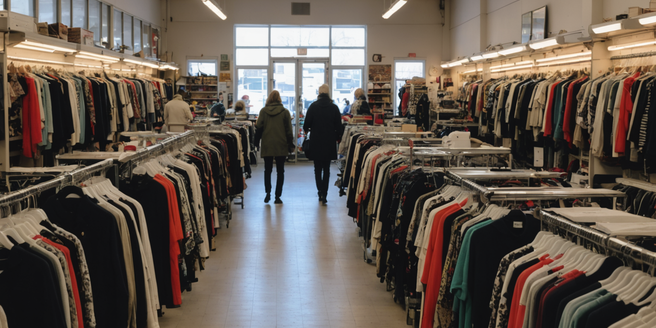
Scout Early and Often: Timing Your Thrift Store Visits
Professional flippers understand that timing is everything in thrift store shopping. Arriving early, especially on restocking days, gives you first access to newly arrived inventory before other shoppers pick through items. Most thrift stores restock during specific days and times, typically early mornings on weekdays. By establishing a consistent schedule, you’ll learn when the best merchandise arrives. Early visits also mean less competition and the ability to cherry-pick premium items. Successful flippers often visit their favorite stores multiple times weekly, creating a predictable routine that keeps them ahead of casual shoppers. Building relationships with store employees can also provide insider information about upcoming shipments. When you know what’s coming, you can plan your purchases strategically around market demand. This dedication separates professionals from amateurs.
Know Your Inventory: Learning Store Layouts and Restocking Schedules
Mastering store layouts is crucial for efficient shopping. Professional flippers mentally map where different categories live, allowing quick navigation to high-value sections. Understanding restocking schedules means knowing exactly when new merchandise appears and where it’s placed. Building relationships with staff helps you discover if certain sections receive priority updates. Some stores rotate inventory systematically; others restock sporadically. Experienced flippers track these patterns meticulously. Keeping detailed notes about what you’ve observed at each location becomes invaluable for planning future visits. Many successful flippers develop spreadsheets or use mobile apps to organize this information by store and category. Knowing peak restocking times for furniture, electronics, or designer clothing sections maximizes your opportunities. This strategic knowledge transforms shopping into a systematic treasure hunt rather than random browsing.
The Art of Spotting Hidden Gems: What Most Shoppers Overlook
Casual shoppers often miss valuable items hiding in plain sight. Professional flippers develop an eye for overlooked treasures by examining items carefully. They check labels, inspect condition minutely, and recognize brand names that signal quality and resale value. Vintage items, designer pieces, and collectibles frequently go unnoticed in crowded racks. Professionals look beyond surface appearance, understanding that worn exteriors often hide valuable items. They investigate unusual sections, examine clearance bins thoroughly, and spot items priced incorrectly low. This trained observation comes from experience and research. By studying online marketplaces and auction results, they stay informed about what buyers actively seek. Understanding market trends helps identify emerging valuable categories before mainstream shoppers catch on.
Pricing Strategy: How to Identify Items with Resale Potential
Successful flippers develop pricing expertise by studying market values across platforms like eBay, Depop, and Poshmark. They understand that thrift store prices represent the first opportunity for profit. An item priced at five dollars with fifty-dollar resale potential represents excellent inventory. Professional flippers calculate margins instantly, knowing their target profit percentages. They research comparable sold listings, not just asking prices. Brand recognition matters significantly; designer labels, vintage quality, and collectible items command premiums. Condition assessment is critical for pricing decisions. Flippers distinguish between items requiring restoration and those ready for resale. Building a reliable network of repeat buyers also accelerates the success of experienced flippers. This analytical approach transforms shopping into a data-driven investment strategy.
Building Relationships with Staff: Your Secret Advantage
Professional flippers recognize that staff relationships create competitive advantages. Friendly workers often provide insider information about upcoming inventory, special sales, or items held for pricing. Some staff members alert regular customers about newly received high-value merchandise before public display. Building genuine rapport encourages employees to save interesting finds or offer discounts. Regular visits and courteous interactions make you memorable, transforming you from anonymous customer to valued regular. Staff insights reveal restocking schedules and special events. This relationship approach creates mutual respect and opens communication channels. Personal touches like remembering staff members’ names and asking about their day strengthen these bonds even further. Professional flippers invest time in these connections, understanding that information truly is currency in thrift store flipping.