Programmable Thermostat Uses
Introduction to Programmable Thermostats
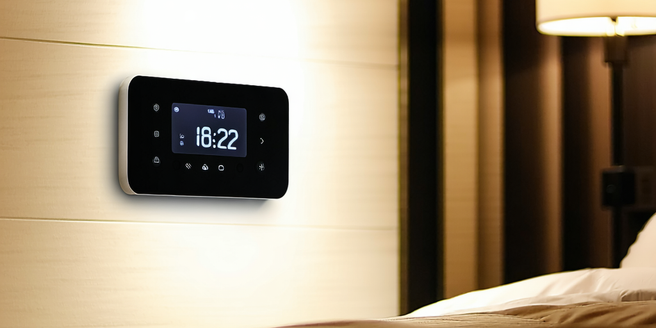
Programmable thermostats are a modern solution to efficiently managing home temperature settings. These devices allow homeowners to schedule different temperatures for different times of the day, maximizing comfort and energy savings. With a programmable thermostat, users can pre-set temperatures according to their daily routines, meaning the system can automatically reduce heating or cooling during times when the home is unoccupied, and resume comfort levels before the household returns. This eliminates the need for manual adjustments, leading to a more consistent living environment. Additionally, programmable thermostats often come with features such as digital displays, touch-screen controls, and remote access via smartphone apps, offering both convenience and precision. Investing in a programmable thermostat is a step towards smarter home management, promoting environmental responsibility and personal comfort.
Benefits of Using a Programmable Thermostat
Using a programmable thermostat offers several benefits, primarily revolving around convenience, energy efficiency, and cost savings. By allowing pre-set temperature schedules, these thermostats ensure that the home environment is comfortable when needed, while minimizing energy consumption during periods of inactivity. This thoughtful regulation can significantly reduce utility bills, as heating and cooling systems are among the biggest energy consumers in a home. Moreover, it reduces wear and tear on HVAC systems, potentially extending their lifespan. In addition to financial savings, using a programmable thermostat contributes to environmental sustainability by lowering carbon footprints. The ability to adjust settings remotely further enhances control, ensuring optimal energy use around specific lifestyle patterns. Overall, programmable thermostats represent an intelligent investment for those seeking modern solutions to energy management.
Energy Efficiency and Cost Savings
Programmable thermostats play a crucial role in enhancing energy efficiency and realizing cost savings. By customizing temperature settings according to occupancy patterns, these devices prevent unnecessary energy usage, thereby lowering utility bills. For example, reducing heating or cooling output while occupants are asleep or away can dramatically cut energy consumption without sacrificing comfort. Over time, the economic benefits of these savings can outweigh the initial investment in the thermostat. Enhanced control over home climate systems through programmable schedules also supports the reduction of carbon emissions, aligning with broader environmental goals. Furthermore, the precision provided by these thermostats minimizes strain on heating and cooling systems, boosting their operational longevity. In essence, the strategic use of programmable thermostats can transform energy management and financial planning, creating a sustainable and cost-effective home environment.
How to Set Up a Programmable Thermostat
Setting up a programmable thermostat involves a few clear steps, designed for ease of use and efficiency. Begin by identifying the type of programmable thermostat that suits your system: whether it’s a seven-day model for a customizable schedule every day, or a 5-1-1 model for different weekday and weekend settings. Once installed, determine the ideal temperature settings for various times of the day. It’s generally advisable to schedule lower temperature settings during sleep or when the home is unoccupied, leveraging comfort when needed. Consult the manual for specific programming procedures; modern models often feature intuitive touchscreens or smartphone app controls, making adjustments straightforward. Regular updates to the programmed settings can accommodate seasonal changes or fluctuations in daily routines. A thoughtfully programmed thermostat effectively balances comfort with energy savings, streamlining home climate management.
Choosing the Right Thermostat for Your Home
Selecting the appropriate programmable thermostat for your home is an important decision that rests on understanding your specific heating and cooling needs. Begin by considering compatibility with your current HVAC system; not all thermostats work with every system type. Evaluate the available features: basic models offer straightforward scheduling capabilities, while more advanced versions might provide wireless access, learning capabilities, and integration with home assistant platforms. Assess your routine to determine whether a 7-day or 5-2 model suits your lifestyle better. Some homeowners prioritize ease of use and opt for models with simple interfaces or touchscreens. Others may focus on cost-effectiveness or advanced connectivity. Ultimately, the right programmable thermostat should empower you to maximize energy efficiency, boost comfort, and offer user-friendly control, leading to smarter, more efficient home management.