Methods for Lowering Commercial Utility Expenses
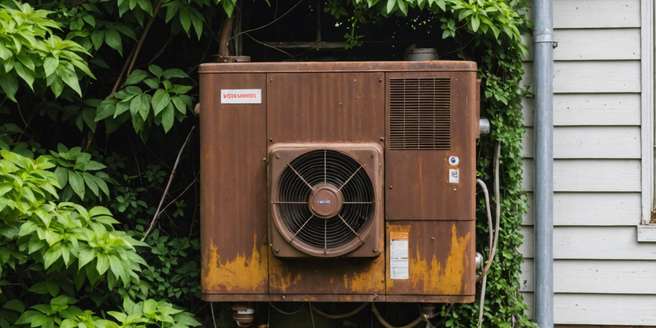
Conduct a Comprehensive Energy Audit
An energy audit is the foundation of any cost-reduction strategy. Professional auditors assess your entire facility, identifying where energy is wasted through inefficient systems, poor insulation, or outdated equipment. They use thermal imaging and specialized tools to detect air leaks, evaluate HVAC performance, and analyze lighting efficiency. This comprehensive analysis provides a detailed roadmap showing exactly where your business loses energy and money. Understanding your current consumption patterns enables targeted improvements with measurable ROI. Many utilities offer free or subsidized audit programs, making this an affordable starting point. The data collected becomes invaluable for prioritizing investments and tracking progress over time. Armed with audit results, facility managers can make informed decisions about which upgrades will deliver the greatest savings.
Upgrade to Energy-Efficient HVAC Systems
Heating, ventilation, and air conditioning typically consume thirty to forty percent of commercial energy budgets. Upgrading to modern, high-efficiency HVAC systems can reduce consumption by twenty to thirty percent. Energy Star certified units use advanced technology like variable refrigerant flow and smart thermostats for precise climate control. Regular maintenance becomes more effective with newer systems, preventing costly breakdowns. Modern HVAC equipment adapts to occupancy patterns and weather conditions automatically. Installation costs are offset by substantial utility savings within three to five years. Many regions offer rebates for HVAC upgrades, further improving financial returns. Properly sized systems operating at peak efficiency represent one of the most impactful investments for commercial properties seeking reduced operating expenses.
Optimize Lighting with LED Technology
LED lighting has revolutionized commercial illumination with energy efficiency and longevity. LEDs consume seventy-five percent less energy than traditional incandescent bulbs and last five times longer, reducing replacement labor costs. Modern LED systems offer superior light quality, improving employee productivity and customer satisfaction. Smart lighting controls with occupancy sensors and daylight harvesting maximize savings by adjusting illumination based on actual needs. Retrofit projects typically recover their investment within two to three years through reduced electricity and maintenance expenses. LEDs generate significantly less heat, reducing air conditioning demands during cooling seasons. Dimming capabilities provide additional flexibility for different tasks and times. Transitioning to comprehensive LED systems with intelligent controls represents a straightforward, cost-effective method for substantial energy savings.
Implement Smart Building Automation Controls
Smart building automation systems provide unprecedented control over facility operations and energy consumption. These integrated platforms manage HVAC, lighting, and equipment schedules automatically based on occupancy, time, and environmental conditions. Real-time monitoring identifies inefficiencies immediately, enabling rapid response to problems before they escalate. Predictive analytics anticipate maintenance needs, preventing costly emergency repairs. Cloud-based systems allow remote management from anywhere, improving responsiveness and flexibility. Automated systems reduce human error and ensure consistent optimal performance twenty-four hours daily. Integration capabilities connect all building systems for holistic energy management. Companies implementing automation typically achieve fifteen to twenty-five percent energy reductions. The data insights provided enable continuous improvement and informed strategic planning for future upgrades and expansions.
Negotiate Better Rates with Utility Providers
Many commercial businesses accept standard utility rates without exploring negotiation opportunities. Large facilities often qualify for special rate structures based on consumption volume and usage patterns. Deregulated energy markets in many regions allow facility managers to shop for competitive providers. Aggregating usage across multiple locations increases negotiating leverage with suppliers. Time-of-use rate programs reward shifting consumption to off-peak hours, reducing overall costs. Fixed-rate contracts provide budget predictability while protecting against market price increases. Energy brokers can analyze your consumption profile and identify optimal rate structures. Reviewing contracts annually ensures you maintain competitive pricing as market conditions change. Proactive rate negotiation, combined with efficiency improvements, compounds savings significantly. Strategic partnerships with utility providers create opportunities for rebates and incentive programs.
Install Renewable Energy Solutions
Renewable energy systems like solar panels and wind turbines provide long-term cost stability and environmental benefits. Solar installations have become increasingly affordable, with costs declining seventy percent over the past decade. Many commercial properties qualify for investment tax credits and accelerated depreciation schedules enhancing financial returns. Net metering programs allow businesses to sell excess generation back to the grid, creating revenue streams. Battery storage systems maximize self-consumption and provide backup during outages. Solar installations increase property values and appeal to environmentally conscious customers and investors. Government incentives and financing programs make renewable adoption more accessible than ever. Twenty-year system warranties ensure long-term reliability. Combining renewable generation with efficiency improvements creates comprehensive sustainability while dramatically reducing dependence on grid electricity and utility rate fluctuations.