Community Potluck Dinner Planning
Setting Your Date and Securing a Venue
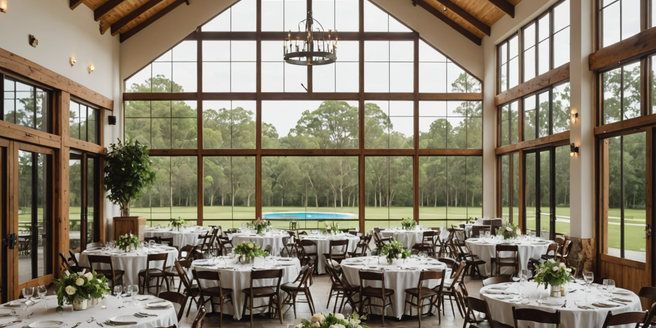
Choosing the right date is crucial for maximizing attendance at your community potluck dinner. Consider seasonal factors, local events, and holidays when selecting your date. Survey potential guests to find a time that works for most people. Once you’ve settled on a date, secure a venue that accommodates your expected guest count. Community centers, parks, churches, or school cafeterias are excellent options. Confirm the venue has adequate tables, chairs, and kitchen facilities if needed. Ensure parking is available and the space is accessible for guests with mobility challenges. Book well in advance to avoid conflicts and obtain any necessary permits. Visit the venue beforehand to assess lighting, acoustics, and layout possibilities for your event.
Creating an Inviting Guest List and Sending Invitations
Build a diverse guest list that reflects your community’s makeup, ensuring everyone feels welcome and included. Personal invitations often generate better responses than general announcements. Send invitations at least three to four weeks in advance through email, social media, or printed cards. Include essential details: date, time, location, parking information, and what to bring. Mention whether the event is family-friendly or adult-only. Request RSVPs at least two weeks before the event to plan accordingly. Follow up with reminders one week prior. Consider creating a simple online form where guests can indicate dietary restrictions or allergies. Providing virtual attendance options can help those with mobility challenges or scheduling conflicts participate. Make accommodations for those who cannot attend so no one feels excluded from community building.
Coordinating Dishes and Managing Dietary Restrictions
Request that each guest bring a dish to share, organizing contributions to ensure variety and balance. Use a sign-up sheet or online spreadsheet to prevent duplicate dishes and ensure adequate appetizers, mains, sides, and desserts. Actively ask about dietary restrictions, allergies, and food preferences during the invitation process. Request this information in writing to maintain accurate records. Designate clearly labeled serving stations for common allergens like nuts, dairy, and gluten. Prepare a few dishes yourself to accommodate common restrictions such as vegetarian, vegan, or gluten-free options. Keep serving utensils and napkins readily accessible throughout the meal. Provide serving utensils and napkins for each dish. Consider assigning volunteers to help manage the food table and answer questions about ingredients.
Organizing Tables, Decorations, and Ambiance
Arrange tables to encourage mingling and conversation among guests rather than isolating individuals. Create centerpieces using seasonal flowers, candles, or simple DIY decorations. Use tablecloths in warm colors that promote community feeling and unity. Arrange comfortable seating with good sightlines for those who prefer observing. Decorate walls or entrances with welcome signs and community artwork. Install soft lighting through string lights or lamps to create a warm atmosphere. Set up designated areas for different activities if desired: a food table, beverage station, and seating zones. Consider incorporating plants throughout the space to enhance both the aesthetic appeal and air quality. Play gentle background music to fill silences and encourage relaxation. Ensure pathways remain clear for safety and accessibility for all guests.
Day-Of Logistics and Creating a Welcoming Atmosphere
Arrive early to set up tables, decorations, and food stations before guests arrive. Assign volunteers to greet guests at the entrance and help them feel welcomed immediately. Create name tags or conversation starter cards to facilitate introductions among strangers. Designate a volunteer to manage the food table, ensuring hot items stay warm and cold items stay chilled. Establish a check-in system to track attendance and dietary accommodations. During the event, circulate among guests to encourage mingling and ensure everyone feels included. Play appropriate background music throughout the evening. Have volunteers assist elderly or mobility-impaired guests as needed. End the evening gracefully, perhaps with a group toast or thank-you moment. Assign cleanup volunteers to help efficiently restore the venue.