Essential Tools For Investment Tracking
The Importance of Investment Tracking Tools
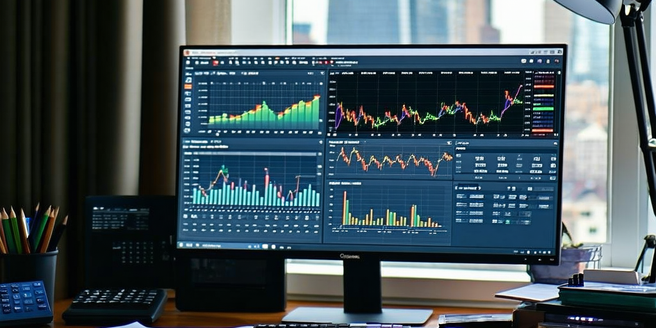
Investment tracking tools play a crucial role in the modern investor’s toolkit. They offer a centralized way to manage and analyze various investment portfolios, ensuring that investors can make informed decisions based on accurate and up-to-date information. By using these tools, investors can monitor performance trends, assess risk exposure, and identify opportunities for optimization. In today’s dynamic financial markets, having a clear and comprehensive view of one’s investments is more critical than ever. Proper tracking helps investors stay informed about market conditions and potential impacts on their portfolio. Moreover, these tools offer significant time savings, automate complex calculations, and generate personalized reports that would otherwise require hours of manual work. Ultimately, investment tracking tools empower individuals to enhance their financial strategy and achieve their investment goals with greater confidence.
Key Features to Look For in Investment Tools
When selecting investment tools, it’s important to prioritize features that align with your financial goals. Real-time data access is crucial for accurate decision-making, ensuring that you’re always acting on the latest information. Look for tools that offer comprehensive analytics to help you evaluate portfolio performance and understand market trends. User-friendliness is another key factor; an intuitive interface can streamline your workflow and make complex data easily digestible. Integration capabilities with other financial software allow for a more holistic view of your finances. Customizability is essential, enabling you to tailor the tool to your specific needs and investing style. Security features such as encryption and two-factor authentication are critical to protect your sensitive financial information. By focusing on these features, you can select a tool that will effectively support your investment strategy.
Top Software for Monitoring Your Portfolio
Selecting the right software for monitoring your investment portfolio is crucial to maintaining an effective investment strategy. Top-tier options often provide a robust range of features designed to cater to both novice and seasoned investors. Software such as Personal Capital and Morningstar offers comprehensive financial dashboards that present a clear overview of your assets and liabilities. Personal Capital excels with its holistic approach to tracking not just investments but also net worth and retirement planning. Morningstar provides in-depth research reports and analytical tools that can help you make informed investment decisions. Another strong contender is Fidelity’s platform, offering advanced analytics, custom alerts, and an array of educational resources. Each of these options provides unique benefits, but the best choice depends on your personal investing goals and the specific functionality you require to achieve them.
Best Apps for Real-Time Investment Updates
In today’s fast-paced market, having access to real-time investment updates can significantly influence your decision-making process. Among the top apps providing this functionality is Robinhood, known for its user-friendly interface and commission-free trading. E*TRADE also stands out with its comprehensive range of investment options and real-time market news. For more advanced traders, the Thinkorswim platform offers sophisticated analytical tools and customizable alert systems. Additionally, Yahoo Finance provides detailed financial news and real-time data, allowing users to track their stocks effortlessly. These apps not only keep you connected to market changes but also offer valuable insights through push notifications, ensuring you’re always informed of critical shifts. Whether you’re a passive investor or actively trading, choosing an app that suits your needs can enhance your investment strategy.
How to Integrate Investment Tools with Other Financial Apps
Integrating investment tools with other financial apps can offer a more comprehensive view of your financial health. Start by identifying applications that allow for seamless connectivity with your existing financial management systems. Platforms like Quicken or Mint can often sync with your investment tools, enabling you to track investments alongside daily expenses and savings goals. Using API integrations, you can automate the transfer of data between apps, minimizing manual input and ensuring data consistency. Security should be a priority, so ensure that integrations use encrypted connections to protect your information. By consolidating your financial data, you’ll have a clearer view of your investment’s performance in the context of your overall financial landscape. This approach not only streamlines your management efforts but also supports more informed decision-making, promoting better financial outcomes.
Understanding Analytics and Reports in Your Investment Tools
A thorough comprehension of analytics and reports in investment tools is vital for informed decision-making. Modern tools offer an array of analytical features that provide insights into performance metrics, asset allocation, and risk analysis. Familiarizing yourself with these analytical functions can unveil trends and patterns that inform strategic adjustments to your portfolio. Pay attention to metrics such as ROI, beta values, and standard deviation as they help assess performance and risk levels. Regularly reviewing reports on these analytics enables a proactive approach to managing investments, allowing you to make timely, data-driven decisions. Many investment tools provide customizable reporting options, letting you focus on specific data points pertinent to your financial goals. A solid grasp of investment analytics and reporting ensures you remain agile, adapting to market changes with precise, informed strategies.
Security Measures in Modern Investment Tracking Tools
As cybersecurity threats become more prevalent, the security measures of investment tracking tools have become paramount. Strong encryption protocols are essential to safeguard sensitive financial data from unauthorized access. Two-factor authentication (2FA) adds an extra layer of security by requiring an additional step during the login process. Regular software updates are crucial as they often contain patches to vulnerabilities identified in previous versions. It’s also wise to choose tools that offer secure connections, such as SSL certificates, to protect data transmitted over the internet. Monitoring and alert systems play a pivotal role, notifying users of suspicious account activities. Trustworthy platforms also provide transparency on how user data is used and stored, complying with international protections like GDPR. By prioritizing these security measures, users can confidently manage their investments without compromising their financial information.
How to Customize Your Investment Tracking System
Customizing your investment tracking system is key to aligning it with your financial strategy. Start by identifying necessary metrics and dashboards that provide a comprehensive view of your portfolio’s performance. Many systems offer widgets and customizable templates that allow you to add or remove data points as needed. Naming conventions and categorization can also enhance clarity, making it easier to locate specific assets or investment categories. Integration capabilities ensure that the system can sync with other financial tools you might be using, providing a cohesive financial overview. Utilize filters to focus on specific data sets or time frames critical to your analysis. Custom alerts and notifications can also be set up to keep you informed of significant changes or opportunities. By tailoring the tracking system, you enhance its relevance and effectiveness in achieving your financial goals.
Choosing the Right Investment Tools for Beginners
For beginners stepping into the investment world, selecting the right tools is crucial for building a strong foundation. Simplicity and user-friendliness should be top-priority; tools that overwhelm with too many features can be counterproductive. Look for software that offers educational resources, such as tutorials or webinars, which can provide valuable guidance as you learn the ropes. Fractional investment options and low fees are important, ensuring you can start investing without substantial financial outlay. Platforms like Robinhood and Acorns are designed with beginners in mind, offering intuitive interfaces and straightforward navigation. These tools often provide community forums where you can engage with fellow investors and broaden your understanding. By choosing the right investment tools, beginners can confidently embark on their investment journey, supported by resources that enhance knowledge and decision-making abilities.
Advanced Investment Tools for Experienced Investors
Experienced investors require more advanced tools that offer depth and precision in data analysis. They benefit from platforms with robust analytical capabilities that can conduct detailed technical analysis and backtesting of strategies. Tools like Bloomberg Terminal and NinjaTrader are designed for sophisticated trading strategies, providing access to extensive financial data and customization options. Advanced charting tools, customizable dashboards, and algorithmic trading capabilities are features that cater to the needs of seasoned investors. Additionally, these tools often offer integration with other financial and analytical software, enhancing their functionality. Reliable customer support is also vital, enabling quick resolutions to any technical issues. Experienced investors seeking to refine and optimize their strategies can greatly benefit from these advanced tools, which cater to the intricacies of complex financial environments, providing the precision and insight required for successful investment management.