Free Outdoor Activities for Families
Exploring Local Parks and Trails
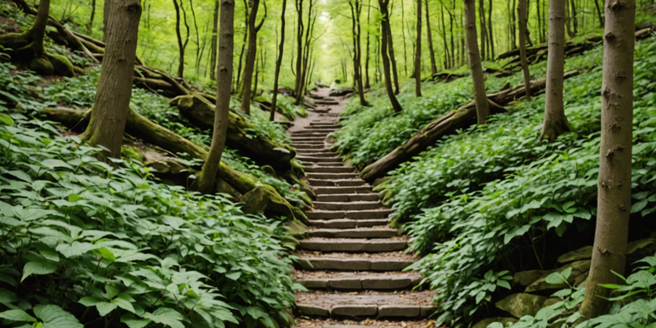
Local parks and trails offer wonderful opportunities for families to connect with nature without spending money. These accessible spaces provide perfect venues for leisurely walks, jogging, or hiking adventures suitable for all fitness levels. Many parks feature well-maintained pathways, scenic viewpoints, and educational signage about local flora and fauna. Children can discover new environments, develop an appreciation for nature, and get much-needed exercise. Parks often include playgrounds, picnic areas, and open spaces for relaxation. Trail exploration teaches kids about ecosystems and outdoor navigation skills. Whether you choose a short neighborhood walk or a longer nature trail, these activities strengthen family bonds while promoting physical health. Regular visits to local parks become cherished traditions that cost nothing but provide immeasurable benefits for family wellness and happiness.
Picnicking and Outdoor Meals
Picnicking combines outdoor enjoyment with quality family time and requires minimal expense. Pack homemade sandwiches, fruits, and drinks to create memorable meals in parks or natural settings. This activity teaches children about meal preparation and outdoor etiquette while enjoying fresh air and scenery. Picnics can be simple backyard affairs or adventurous outings to scenic locations. Families save money compared to restaurant dining while creating lasting memories together. Children develop appreciation for nature when combined with nourishment and togetherness. Picnicking encourages conversation without electronic distractions, strengthening family relationships. Various settings offer different experiences, from beachside dining to mountainside lunches. Pack reusable containers and participate in Leave No Trace principles, teaching environmental responsibility. Seasonal picnics showcase changing landscapes, making each experience unique and special for growing families.
Water Play at Beaches and Lakes
Water activities at beaches and lakes provide free entertainment that children absolutely love. Swimming, wading, and splashing cool down families during warm months while offering excellent physical exercise. Many public beaches and lakes offer no entrance fees, making water play accessible to everyone. Children develop swimming skills, water safety awareness, and confidence in aquatic environments. Building sandcastles, skipping stones, and exploring tide pools engage young minds creatively. Water play strengthens muscles, improves coordination, and provides natural cooling relief during summer heat. These settings encourage imaginative play and exploration of aquatic ecosystems. Families should practice water safety and sun protection while enjoying these activities. Beach and lake visits create joyful memories filled with laughter and adventure. Regular water play builds comfort and competence in aquatic settings throughout childhood.
Camping Adventures for Beginners
Camping offers affordable outdoor adventures that immerse families in nature completely. Beginners can start with car camping at established campgrounds featuring basic facilities and safety infrastructure. This accessible approach removes barriers while teaching outdoor skills progressively. Children learn fire safety, tent setup, outdoor cooking, and wilderness awareness in manageable environments. Camping strengthens family bonds through shared responsibilities and limited distractions from technology. Budget-friendly options include free dispersed camping areas and low-cost campgrounds throughout most regions. Families experience natural cycles, learn self-sufficiency, and develop appreciation for unspoiled environments. Beginners benefit from gradual progression, starting with weekend trips before longer adventures. Camping teaches resilience, problem-solving, and adaptability when facing weather or minor challenges. These formative experiences create confident outdoor enthusiasts and lasting family traditions centered on nature exploration.
Nature Scavenger Hunts
Nature scavenger hunts transform ordinary park visits into exciting treasure hunts that engage children’s curiosity. Create lists of natural items for kids to find, such as specific leaves, insects, rocks, or flowers. This activity teaches observation skills, plant and animal identification, and ecological awareness. Scavenger hunts work wonderfully in any outdoor setting from backyards to forests. Children stay engaged and active while learning environmental details they might otherwise overlook. Hunts can be simple for younger children or complex for older kids, accommodating various age groups. This free activity costs nothing but provides hours of entertainment and educational value. Family members work together toward common goals, promoting teamwork and cooperation. Seasonal variations keep hunts fresh and interesting year-round. Photography scavenger hunts adapt the concept for families with cameras or smartphones available.
Outdoor Games and Sports
Outdoor games and sports provide free, energetic entertainment while developing athletic skills and coordination. Traditional activities like tag, hide-and-seek, badminton, and frisbee require minimal equipment and setup. Many families already own basic sports equipment suitable for casual outdoor play. Open spaces like parks offer ideal venues for running games and sports without costs. Outdoor games encourage physical fitness, strategic thinking, and social interaction among family members. Children develop competitive spirit and sportsmanship through friendly family competitions. These activities accommodate various skill levels, allowing younger and older family members to participate together. Regular outdoor play builds strength, endurance, and overall health in enjoyable contexts. Rotating different games prevents boredom and challenges developing skills. Screen time decreases as families prioritize active outdoor engagement during pleasant weather.
Biking Routes for All Ages
Family biking combines exercise, exploration, and adventure on accessible routes throughout most communities. Many cities feature paved bike paths, greenways, and trails designed specifically for recreational cycling. These safe routes protect families from traffic while providing scenic outdoor experiences. Children develop cycling skills, balance, and confidence on appropriate terrain for their abilities. Biking strengthens leg muscles, improves cardiovascular health, and builds endurance progressively. Most families already own bikes or can borrow from friends and neighbors inexpensively. Route planning teaches navigation skills and geographical awareness to developing minds. Families discover new neighborhood areas and community features through leisurely cycling adventures. Scenic route selection makes biking feel like exploration rather than exercise. Seasonal biking routines create healthy outdoor habits that families maintain throughout their lives together.
Stargazing and Astronomy Nights
Stargazing offers free access to celestial wonders that inspire awe and scientific curiosity in children. Clear nights away from city lights reveal stunning night skies without requiring expensive telescopes initially. Families lie together under stars, learning constellations, planets, and basic astronomy concepts informally. Apps and websites provide free guidance identifying visible celestial objects and their locations. Stargazing nights create peaceful, screen-free bonding time during calm evening hours. Children develop wonder about space, science, and the universe’s vastness naturally. Meteor showers and planet alignments provide predictable special events worth planning family outings around. Outdoor blankets and chairs create comfortable viewing experiences requiring no technology costs. Astronomy education sparks lifelong learning interests and career curiosities in developing minds. Seasonal stargazing traditions become beloved family rituals shared year after year.
Gardening Projects with Kids
Gardening teaches children about plant growth, responsibility, and healthy food production hands-on. Container gardens or small garden plots require minimal space, making gardening accessible to most families. Children observe seed germination, growth cycles, and seasonal changes through direct participation and observation. Homegrown vegetables reduce grocery expenses while providing nutritious food families grew together. Gardening develops patience, planning skills, and understanding of environmental systems organically. Kids take pride in tending plants they selected and watching them flourish successfully. Digging in soil connects children with nature while providing tactile, outdoor engagement. Butterfly and pollinator gardens attract wildlife, teaching ecosystems and biodiversity concepts. Gardening projects accommodate various age groups with appropriately adjusted responsibilities. Harvest celebrations encourage healthy eating habits and gratitude for natural resources.
Wildlife Watching and Bird Spotting
Wildlife watching and bird spotting develop observation skills while teaching children about local ecosystems and biodiversity. Most areas support diverse bird species visible during outdoor activities without expensive equipment requirements. Binoculars enhance experiences but patient observation reveals considerable detail without optical aids. Children learn identification skills, animal behaviors, and habitat requirements through careful nature study. Photography documentation encourages detailed observation and creates memorable records of wildlife encounters. Parks, trails, and natural areas provide ideal settings for regular wildlife watching throughout seasons. Field guides help families identify species encountered, creating educational opportunities organically. Early morning outings often provide best wildlife visibility when animals are most active. Children develop environmental stewardship through appreciation for local wildlife and habitat conservation. Regular wildlife watching builds naturalist skills and lifelong environmental awareness naturally.