Ethical Thrift Shopping Practices
Understanding the Impact of Fast Fashion
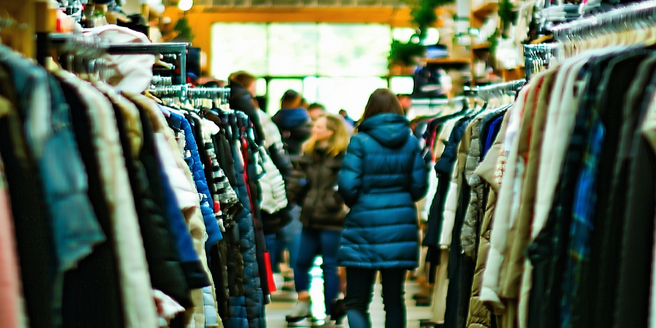
Fast fashion often promotes rapid production and consumption of clothing, leading to significant environmental degradation and labor exploitation. This model relies on quick turnover, with new styles introduced to consumers every few weeks. The textile industry is one of the largest polluters, responsible for approximately 10% of industrial water pollution. Moreover, many fast fashion garments are made in factories where workers receive low wages under poor conditions. By understanding its impacts, we can make more informed choices that prioritize sustainability. Thrift shopping offers a viable alternative by extending the life of clothing, thus reducing demand for new garments. Each thrifted purchase can diminish the pressure on resources, empowering both consumers and manufacturers to consider more ethical practices.
Evaluating the Sources of Thrifted Clothing
When thrift shopping, it’s crucial to evaluate the sources of the clothing we purchase. Investigating where items come from can provide insights into their sustainability and ethicality. Many thrift stores receive donations from individuals, ensuring that clothing is reused rather than discarded. However, some thrift outlets may purchase in bulk from fast fashion brands that aim to offload unsold inventory. Shopping from charity-based or non-profit thrift stores often guarantees that proceeds support community projects or social causes, adding an ethical dimension to your purchase. Additionally, researching local thrift shops that prioritize recycled or upcycled garments further ensures that your shopping habits contribute to reducing waste and promoting sustainability. By being selective about where we shop, we can influence the demand for responsibly sourced thrifted clothing.
Identifying Fair Trade and Ethical Labels
Identifying fair trade and ethical labels in thrift stores can greatly impact your shopping practices. Ethical labels signify that the garment was produced under good labor practices and with mindful environmental impact. Fair Trade certification ensures workers received fair wages and worked in safe conditions. When thrifting, check labels for certifications from organizations that promote ethical practices, such as the Global Organic Textile Standard (GOTS) or Fair Trade USA. Knowledge of these certifications empowers consumers to make informed decisions, promoting brands and manufacturers that prioritize people and planet. Even while thrift shopping, focusing on ethically labeled garments encourages production transparency and improved business ethics. This practice contributes to the collective demand for garments that pay respect to labor and the environment, ultimately supporting a more ethical apparel industry.
Minimizing Waste While Thrift Shopping
Reducing waste through thrift shopping is integral to sustainable consumer behavior. The objective is to prolong the life cycle of clothing by purchasing secondhand items. Start by shopping with intention—only buy pieces you genuinely need or love. Consider vintage or durable fabrics that promise long-term use. Reuse and repurpose by exploring creative ways to give old clothes a new look or function, like turning old jeans into shorts. Donate or recycle items you no longer wear, ensuring they don’t end up in landfills. By focusing on quality over quantity, we foster a cycle of continuous reuse, reducing the demand for new production and waste generation. Responsible thrift shopping not only minimizes personal waste but supports broader environmental objectives by curbing overconsumption and promoting mindful fashion choices.
Prioritizing Local and Sustainable Options
Prioritizing local and sustainable options when thrift shopping supports a more ethical and environmentally-friendly lifestyle. Local thrift stores contribute to the community by encouraging the circular economy and reducing the carbon footprint associated with long-distance shipping. When shopping locally, look for retailers that prioritize sustainable practices like energy-efficient buildings or methods of displaying clothing. Seek out thrift shops that offer a range of locally sourced items rather than those that import secondhand goods in bulk, which can contribute to increased emissions. Supporting local businesses often means your spending benefits community projects and initiatives. Emphasizing sustainability in thrift shopping choices ensures better resource management and reinforces a culture of mindfulness regarding the garments’ origin and lifecycle, making sustainability an integral part of your shopping routine.
Supporting Community Initiatives through Thrifting
Shopping at thrift stores can significantly support community initiatives. Many thrift shops are affiliated with charitable organizations, where proceeds directly fund local projects like shelters, educational programs, and food assistance. By choosing these stores, shoppers contribute to broader social initiatives beyond personal consumption. Community-based thrift shops often rely on local donations, reducing waste and encouraging a culture of sharing. Volunteering at these establishments or organizing donation drives also supports their mission, amplifying their social impact. Thrifting thus becomes not just a sustainable fashion choice but a community-centric practice, promoting social responsibility. Collective efforts in thrift shopping empower communities financially and socially, ensuring that every purchase supports initiatives that prioritize and address local needs, fostering inclusivity and solidarity within the community.