Ways to Reduce Bathroom Water Consumption
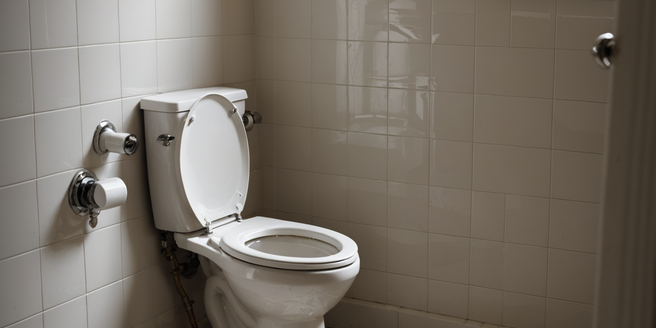
Fix Leaks and Drips Before They Waste Gallons
Even small leaks can waste thousands of gallons annually. A single dripping faucet can lose up to 3,000 gallons per year, while a running toilet leak wastes even more. Regular inspection of pipes, faucet connections, and toilet components helps catch problems early. Replace worn washers, seals, and flapper valves promptly. Check under sinks for moisture indicating hidden leaks. Many leaks are easily fixable with basic tools or professional assistance. Addressing them immediately prevents water waste and reduces utility bills significantly. Left unrepaired, even minor drips can accumulate into substantial environmental and financial losses over time. Installing water-efficient fixtures is another effective way to minimize waste in your home. Make leak detection part of your monthly home maintenance routine to protect this precious resource.
Install Low-Flow Showerheads and Faucet Aerators
Low-flow showerheads reduce water consumption by up to 40 percent without sacrificing pressure. Modern designs maintain comfortable flow while using only 2 gallons per minute instead of traditional 5 gallons. Faucet aerators are affordable attachments that mix air with water, reducing usage at sinks. Installation requires no special plumbing skills and takes minutes. These fixtures benefit both residential and commercial spaces. The initial investment pays back through lower water bills within months. In addition to financial savings, water-efficient fixtures also help reduce the environmental impact of household water consumption. Many municipalities offer rebates for installing water-efficient fixtures. Upgrading showerheads and aerators represents one of the easiest and most cost-effective conservation measures available to homeowners.
Upgrade to a Dual-Flush or Low-Flow Toilet
Toilets account for nearly 30 percent of household water use, making them prime candidates for upgrades. Dual-flush models let you choose between full flushes for solid waste and reduced flushes for liquid waste, saving significant water. Low-flow toilets use 1.28 gallons or less per flush compared to older models using 3.5 to 7 gallons. Newer models maintain effective cleaning performance while conserving water. The upfront cost is offset by substantial savings on water bills over time. Many areas provide tax credits or rebates for toilet replacement. When selecting a replacement, look for models certified by WaterSense, which meet strict efficiency and performance standards. Professional installation ensures proper functioning and maximizes water savings throughout your bathroom.
Change Your Daily Habits and Shower Routines
Behavioral changes complement fixture upgrades for maximum water conservation. Taking shorter showers reduces consumption dramatically since showers use 2.5 gallons per minute. Turn off faucets while brushing teeth, washing hands, or soaping dishes instead of letting water run continuously. Install timers as visual reminders for shower duration. Fill sinks when washing rather than running water constantly. Collect cold water while waiting for hot water to arrive and reuse it for plants. Involve family members in conservation efforts through education and positive reinforcement. Even small adjustments in daily routines can significantly lower your household’s overall water usage. These habits require minimal effort but generate substantial cumulative savings. Consistency matters most when establishing new water-conscious routines.
Consider Water-Saving Fixtures for Your Bathroom Renovation
Planning a bathroom renovation offers opportunities to incorporate comprehensive water-saving solutions. Select fixtures certified by WaterSense or similar programs guaranteeing efficiency standards. Touchless faucets prevent unnecessary water waste through accidental activation. Greywater systems recycle sink and shower water for toilet flushing or irrigation. Modern fixtures combine style with sustainability, appealing to environmentally conscious homeowners. Consult professionals experienced in water-efficient design to maximize benefits. Integrate low-flow options for showers, faucets, and toilets throughout the space. Quality fixtures often last longer, reducing replacement frequency and waste. Installing a dual-flush toilet system allows users to select appropriate water volume based on waste type. These upgrades can reduce household water consumption by up to 30 percent. Investing in water-saving renovations increases home value while demonstrating environmental responsibility.