Free Art Galleries and Exhibitions
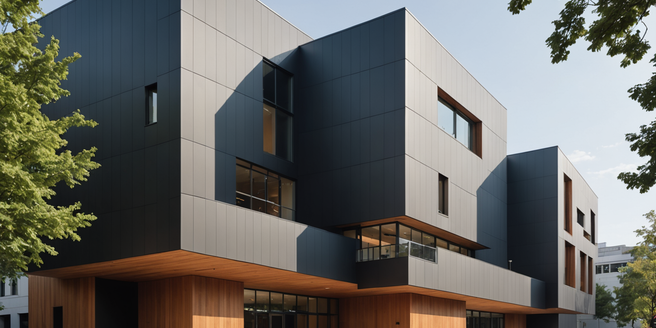
Finding Free Art Galleries in Your City
Discovering free art galleries in your community is easier than you might think. Start by researching local art centers, community spaces, and independent galleries that often offer free admission on specific days or evenings. Many neighborhoods have artist cooperatives and grassroots exhibition spaces that welcome visitors without charge. Check your city’s tourism website and cultural centers for comprehensive galleries listings. Don’t overlook university and college galleries, which typically remain open to the public at no cost. Local libraries frequently host rotating art exhibitions from emerging and established artists. Street-level gallery windows in arts districts provide free viewing opportunities. Visit nearby parks and public spaces, as they often feature temporary installations and outdoor art displays. Connect with local art communities through social media groups and community boards to learn about hidden gems that celebrate creativity while remaining accessible to all art enthusiasts.
Online Virtual Galleries and Digital Collections
The digital realm has revolutionized access to world-class art collections. Major museums worldwide now offer free virtual tours and online exhibitions accessible from your home. Platforms like Google Arts and Culture provide stunning high-resolution images and immersive experiences from thousands of institutions globally. Museums including the Louvre, British Museum, and MoMA offer extensive free digital collections. Virtual reality galleries allow you to explore contemporary and historical artworks in interactive environments. Many artists maintain personal websites and online portfolios showcasing their work without paywalls. Social media platforms feature countless artists sharing their creations daily. Digital archives preserve cultural heritage through free accessible databases. Virtual gallery walks and online exhibition openings connect art lovers across continents. These resources democratize art appreciation, eliminating geographic and financial barriers. Whether exploring Renaissance paintings or contemporary installations, digital platforms ensure everyone can experience artistic expression whenever and wherever convenient.
Museum Free Hours and Community Access Programs
Most major museums implement free or pay-what-you-wish hours to ensure equitable access for all community members. Research your local museums’ schedules for designated free admission evenings, typically occurring monthly or weekly. Many institutions offer free entry for children, students, seniors, and military personnel with valid identification. Community access programs provide complimentary tickets through libraries, schools, and social service organizations. Some museums participate in reciprocal membership networks offering free visits across participating institutions. First Friday events in cultural districts frequently feature open studio hours and gallery receptions at no charge. Family days and cultural celebration events welcome visitors free of admission costs. Contact museum education departments to inquire about scholarship programs and special access initiatives. Follow museum social media channels for announcements about promotional free admission days. Museums increasingly recognize their public mission to serve diverse audiences, making world-class art accessible regardless of economic circumstances or background.
Street Art Tours and Public Art Installations
Urban environments showcase vibrant street art and public installations that remain completely free and accessible. Organized walking tours guide you through neighborhoods known for murals, graffiti art, and urban creativity. Many cities employ professional street artists to beautify public spaces with permission-based murals and installations. Self-guided exploration of arts districts reveals constantly evolving outdoor galleries showcasing local talent. Public art commissions in parks, plazas, and pedestrian areas celebrate community identity and cultural expression. Photography tours document street art before it changes, preserving fleeting artistic moments. Social media communities share street art discoveries, helping enthusiasts locate emerging works and famous pieces. Many cities maintain public art registries detailing installation locations, artist names, and historical context. Street art festivals celebrate urban creativity through temporary installations and live painting demonstrations. Festivals often feature live performances, artist talks, and interactive experiences. This accessible art form brings cultural expression directly into public life, transforming ordinary streets into open-air galleries.
Pop-Up Exhibitions and Temporary Art Spaces
Pop-up galleries and temporary exhibition spaces create dynamic art experiences in unexpected locations throughout cities. Abandoned warehouses, vacant storefronts, and underutilized buildings transform temporarily into immersive artistic environments. These grassroots initiatives often operate independently from traditional institutions, fostering experimental and cutting-edge artistic expression. Pop-up events typically feature emerging artists seeking exposure outside conventional gallery systems. Temporary installations appear suddenly in neighborhoods, creating buzz and community engagement through social media sharing. Art collectives organize limited-time exhibitions showcasing diverse mediums and perspectives. These ephemeral spaces nurture artistic innovation while remaining financially accessible to wide audiences. Community participation drives many pop-up projects, with local artists volunteering time and resources. The temporary nature creates urgency and excitement, encouraging immediate community engagement. Following local art blogs, neighborhood social media groups, and artist networks keeps enthusiasts informed about upcoming pop-up events. These dynamic spaces democratize art presentation, proving that meaningful artistic experiences require neither permanent structures nor significant funding.
How to Stay Updated on Free Art Events
Remaining informed about free art opportunities requires utilizing multiple information channels and community networks. Subscribe to local arts council newsletters and cultural organization email lists for comprehensive event calendars. Follow art galleries, museums, and cultural centers on social media platforms for real-time announcements and promotional updates. Join neighborhood community groups and forums where residents share art event recommendations and experiences. Set up Google alerts for keywords like free exhibitions, art galleries, and cultural events in your specific city. Visit city tourism websites and convention bureaus regularly, as they maintain extensive event calendars. Check local alternative newspapers and arts magazines that extensively cover cultural programming. Attend community meetings and gallery openings to network with artists and arts professionals who share insider information. Create a personal calendar combining multiple sources for comprehensive event tracking. Establishing reliable information channels ensures you never miss accessible artistic opportunities in your community.