No-cost Meditation Classes
Finding Free Meditation Resources Online
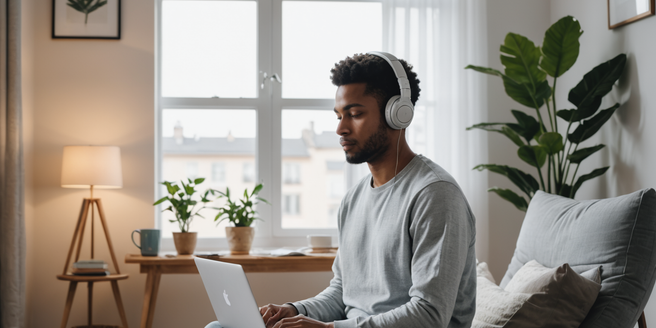
The internet offers abundant free meditation resources for beginners and experienced practitioners alike. YouTube channels dedicated to mindfulness provide thousands of guided sessions at no cost. Websites like Insight Timer and Calm offer free versions with extensive libraries of meditations. Reddit communities focused on meditation share recommendations and support. Podcasts dedicated to mindfulness can be downloaded and enjoyed anytime. Many meditation teachers offer free introductory content to build their audience. Searching for ‘free guided meditation’ yields countless options across various styles and durations. Social media platforms host live meditation sessions regularly. Educational websites provide articles explaining meditation techniques. Online forums connect practitioners worldwide for accountability and encouragement. Starting your practice requires only curiosity and an internet connection.
Community Centers Offering Complimentary Sessions
Local community centers frequently host free or low-cost meditation classes open to residents. These facilities recognize the mental health benefits of meditation and prioritize accessibility. Many offer drop-in sessions requiring no registration or commitment. Yoga studios sometimes sponsor free community classes for outreach. Parks and recreation departments organize outdoor meditation sessions during warmer months. Religious institutions including churches, temples, and mosques often welcome the public to meditation practices. Senior centers provide meditation classes tailored to older adults. Mental health nonprofits offer free sessions as part of wellness initiatives. Schools sometimes open their facilities for community meditation programs. Library branches increasingly host meditation workshops and classes. Contacting your local community center reveals available programs and schedules.
How to Start Your Meditation Practice Without Spending Money
Beginning meditation requires minimal resources beyond intention and time. Choose a quiet comfortable space in your home for practice. Start with just five minutes daily to build consistency gradually. Use free apps like Insight Timer or Meditopia’s complimentary content. Follow YouTube guided meditations matching your preferred style and length. Establish a simple routine practiced at the same time daily. Focus on breathing techniques requiring no equipment or materials. Join free online communities for support and motivation. Read free meditation guides available through libraries or websites. Practice mindfulness during daily activities like walking or eating. Set realistic goals avoiding perfectionism that discourages beginners. Consistency matters more than duration when establishing your practice foundation.
Popular Apps and Websites with Free Guided Meditations
Insight Timer stands out as the world’s largest free meditation app with over 100,000 sessions. Meditopia offers complimentary content alongside premium features. Calm provides limited free access to its extensive meditation library. Headspace allows free trial periods for exploring their programs. YouTube hosts numerous channels with complete guided meditation collections. Buddhify provides affordable and free meditation options. Aura delivers personalized meditations with free access levels. Ten Percent Happier offers free introductory content. Smiling Mind specifically targets various age groups with free sessions. UCLA Mindful app provides scientifically-designed meditations. Many of these apps also feature community support forums where users can share their meditation experiences and progress. Plum Village Online Monastery streams free teachings regularly. These platforms ensure accessibility regardless of financial circumstances.
Building a Home Meditation Space on a Budget
Creating a dedicated meditation space requires minimal investment and maximizes practice consistency. Choose a quiet corner away from distractions and foot traffic. Use items already at home like cushions or blankets for seating. Plants add natural elements promoting peaceful atmospheres inexpensively. Soft lighting from candles or natural windows enhances ambiance. Keep the space clean and organized to support mental clarity. A small table holds meditation reminders or inspirational quotes. Use white noise from nature sounds or fans to mask external sounds. Arrange furniture to face a wall or window for visual focus. Personal touches like meaningful artwork make the space inviting. Avoid clutter by keeping only essential items present. Thrift stores offer affordable cushions and decorative elements.
Virtual Meditation Groups and Online Communities
Virtual meditation groups connect practitioners globally regardless of location or schedules. Zoom-based sanghas meet regularly offering structure and accountability. Insight Timer’s community features connect meditators worldwide. Reddit communities like r/meditation provide peer support and guidance. Discord servers dedicated to mindfulness foster ongoing conversations. Facebook groups organize group meditations and share resources. Online retreats offer intensive experiences from home. Meetup.com lists virtual meditation groups in most areas. Many groups accommodate various time zones with multiple sessions. Participating enhances motivation through collective practice energy. Online communities provide encouragement during challenging periods. These platforms have made meditation more accessible to beginners who might feel intimidated by in-person centers. The ability to remain anonymous in some groups also reduces social anxiety for new practitioners. These groups democratize meditation access globally.
Libraries and Nonprofits: Hidden Gems for Free Classes
Libraries function as untapped meditation resources offering free classes and materials. Many libraries host regular meditation workshops and instruction sessions. Book collections include numerous meditation guides and instructional texts. Nonprofit organizations prioritize community wellness through complimentary programs. Mental health nonprofits frequently sponsor meditation classes benefiting underserved populations. Environmental nonprofits sometimes host nature-based meditation sessions. Community health organizations integrate meditation into wellness initiatives. Interfaith organizations welcome diverse practitioners to meditation programs. Youth nonprofits teach mindfulness helping young people manage stress. Senior nonprofits provide age-appropriate meditation instruction. Disability organizations offer accessible meditation accommodations. These resources are often promoted through social media and community bulletin boards. Participants report significant improvements in their overall well-being and emotional resilience. Contacting local libraries and nonprofits reveals available resources.
Morning Meditation Routines You Can Begin Today
Morning meditation establishes positive momentum throughout your entire day. Wake fifteen minutes earlier dedicating this time to practice. Hydrate before meditating to support mental clarity. Sit comfortably maintaining an upright posture supporting alertness. Begin with conscious breathing techniques like box breathing methods. Focus on setting daily intentions during morning sessions. Practice gratitude meditation appreciating upcoming opportunities. Use guided meditations matching your energy level. Keep practice duration consistent building sustainable habits. Meditate before checking phones reducing digital distractions. Combine practice with gentle stretching or yoga movements. Creating a dedicated meditation space free from interruptions will enhance your focus and commitment. Notice improved mood and focus throughout the day. Gradually extend duration as consistency deepens.
Overcoming Common Barriers to Starting a Practice
Many obstacles prevent meditation practice but remain surmountable with strategy. Busy schedules yield to starting with just five minutes daily. Racing thoughts normalize through gentle redirection without judgment. Lack of focus improves through consistent practice over time. Discomfort from sitting positions resolves using appropriate cushions. Skepticism diminishes after experiencing meditation benefits directly. Uncertainty about proper technique fades with free instructional content. Distracting environments improve through simple soundproofing strategies. Physical pain requires modifications or medical consultation initially. Motivation fluctuations stabilize through community support and accountability. Mental health challenges benefit from guidance-based meditations. Finding an accountability partner can significantly enhance your commitment to a regular practice. Perfectionism dissipates recognizing that meditation practice lacks failure.
Tracking Your Progress and Staying Motivated
Monitoring meditation progress sustains motivation and reveals improvements over time. Keep simple journals noting session duration and experiences. Track mood changes and stress reduction before and after practice. Use habit-tracking apps recording consistent participation visually. Notice increased focus and emotional regulation in daily life. Celebrate milestones like maintaining seven-day streaks. Join challenges encouraging sustained practice periods. Share progress with accountability partners or communities. Record specific benefits experienced including better sleep or reduced anxiety. Listen to body awareness changes during sessions. Revisit earlier recordings noticing deepening calm and presence. Setting realistic goals helps maintain enthusiasm during plateaus when progress feels less obvious. Adjust practices based on what resonates most personally. Consistency rewards practitioners with compounding benefits and improved wellbeing.