Geothermal Heating Systems
Understanding the Basics of Geothermal Heating
Geothermal heating systems leverage the Earth’s natural heat stored beneath the surface to provide efficient indoor warming solutions. A network of pipes, known as the ground loop, circulates a fluid that absorbs heat from the earth and carries it into the home. This method capitalizes on the relatively constant temperature of the ground, which remains fairly steady compared to ambient air temperatures. As a result, it offers a reliable and sustainable energy source, reducing dependence on fossil fuels. By understanding the principles of geothermal energy, homeowners can recognize the benefits of such systems, including lower energy bills and a reduced carbon footprint. It’s important for those considering geothermal heating to understand these fundamentals, which lay the groundwork for informed decision-making. Additionally, a qualified technician should always be consulted to assess property-specific suitability.
The Environmental Benefits of Geothermal Systems
Geothermal heating systems present significant environmental benefits by utilizing renewable energy from beneath the Earth’s surface. Unlike traditional systems that burn fossil fuels, geothermal systems operate with minimal greenhouse gas emissions, making them a cleaner option for home heating. This reduction in carbon output helps mitigate climate change by lowering overall emissions. Another advantage is their energy efficiency, consuming less electricity relative to conventional systems. This energy savings further lessens their environmental impact by decreasing the reliance on energy generated from non-renewable sources. Additionally, geothermal systems pose little risk of contamination to water sources, as they do not require fuel storage or combustion. Overall, the integration of geothermal systems into residential properties can contribute significantly to reducing our ecological footprint, paving the way for a more sustainable future.
How Geothermal Heating Systems Work
Geothermal heating systems operate by tapping into the Earth’s consistent subterranean temperatures. A typical system involves a heat pump and a series of underground pipes, known as a ground loop. The fluid within this loop absorbs the Earth’s natural heat, which is then transferred to the heat pump. This pump is responsible for compressing the absorbed heat to a higher temperature suitable for heating indoor spaces. During colder seasons, the process essentially reverses to provide cooling. The system’s efficiency lies in its ability to move heat rather than produce it, which significantly reduces energy consumption. Furthermore, because these systems rely on stable ground temperatures, they remain effective regardless of weather conditions, providing reliable heating and cooling throughout the year. Understanding their mechanics can help homeowners make informed choices about sustainable energy solutions.
Cost-Effectiveness and Energy Savings
Investing in a geothermal heating system can offer substantial long-term cost-effectiveness and energy savings. While the initial installation cost might be higher than that of traditional heating systems, the operational savings quickly balance it out. Geothermal systems typically have low running costs due to their high efficiency, often reducing energy bills by up to 70%. As these systems transfer rather than generate heat, they consume less electricity, resulting in lower utility expenses. Additionally, many regions offer tax incentives and rebates for installing geothermal systems, further offsetting the initial costs. Over time, the reduced energy consumption contributes not only to savings but also to lesser wear and tear, enhancing the system’s lifespan. When evaluating long-term investment in heating, geothermal systems stand out as both economically and environmentally sound choices.
Installation Process and Considerations
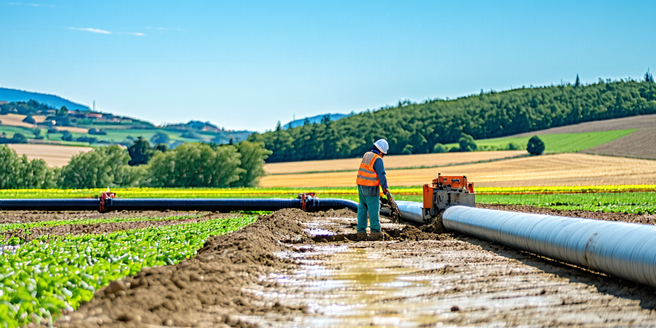
The installation of geothermal heating systems requires careful planning and consideration of various factors to ensure optimal performance. Initially, a site assessment determines the suitability of the location, considering soil composition and available space for the ground loop. The choice between horizontal and vertical loop configurations depends on spatial constraints and ground conditions. Installation involves excavating to lay the looped piping system, followed by connecting it to an indoor heat pump unit. Homeowners must also factor in local regulations and potential zoning restrictions, which can impact installation. Despite the complex installation process, partnering with experienced installers can streamline the procedure. Additionally, proper installation is crucial for maximizing efficiency and preventing potential issues, thus safeguarding the investment. Taking these steps ensures that the geothermal system delivers the promised energy savings and environmental benefits.
Maintenance and Longevity of Geothermal Units
Geothermal heating systems are known for their durability and low maintenance requirements, which contribute to their longevity. Typically, the ground loop, made from high-density polyethylene piping, can last over 50 years with minimal upkeep. The indoor components such as the heat pump may require more frequent maintenance but generally have a lifespan of around 20 to 25 years. Routine checks include ensuring system pressure is maintained, filters are clean, and electrical connections are secure. Periodic inspections by professionals ensure the system operates efficiently and detect any issues early. Because geothermal systems are largely self-contained, they face fewer risk factors than conventional systems. This reliability reduces the need for costly repairs, making geothermal a financially prudent choice over time. Understanding maintenance needs is crucial for preserving system performance and ensuring ongoing energy savings.