Weatherization Assistance Programs Available to Homeowners
Understanding Weatherization Assistance Programs
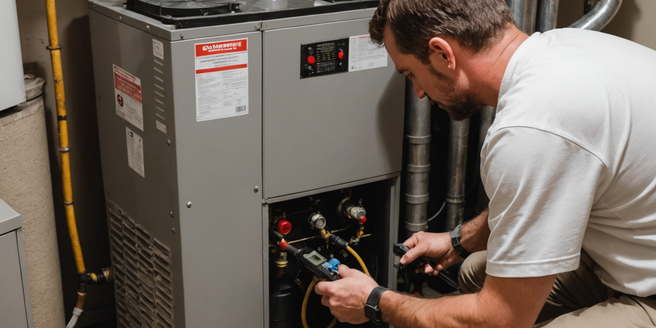
Weatherization Assistance Programs are federally funded initiatives designed to help low-income households reduce energy consumption and improve home comfort. These programs provide free or low-cost weatherization services to eligible homeowners and renters. The primary goal is to decrease energy bills while creating safer, healthier living environments. Services typically include insulation upgrades, air sealing, heating system repairs, and ventilation improvements. Administered through the Department of Energy and state agencies, these programs have helped millions of families save money and reduce their environmental footprint. By addressing energy inefficiencies, weatherization programs tackle root causes of high utility costs. Participating contractors perform comprehensive energy audits to identify specific improvements needed. The programs prioritize homes with vulnerable occupants, including elderly residents and families with young children. Overall, weatherization represents a critical investment in affordable housing and energy justice.
Eligibility Requirements and Income Limits
Most weatherization programs serve households earning up to 200 percent of the federal poverty level, though limits vary by state. Priority typically goes to families with members over 60, disabled individuals, or households with children. Homeowners and renters can both qualify, though rental properties require landlord cooperation and consent. Asset limits may apply in some programs, and applicants must have legal occupancy rights. Documentation of income through tax returns, pay stubs, or benefit statements is usually required. Some states offer supplemental programs with higher income thresholds for working families. Veterans and tribal members may access specialized weatherization services. Application processes vary by region, but most involve submitting a simple form with basic financial information. Contact your local weatherization agency for specific eligibility criteria. Programs prioritize serving the most vulnerable populations first. Meeting basic requirements doesn’t guarantee immediate service due to high demand in many areas.
Common Home Improvements Covered by These Programs
Weatherization programs typically cover air sealing around windows, doors, and foundation gaps to reduce drafts and moisture intrusion. Insulation improvements include adding attic, wall, and basement insulation to enhance thermal performance. Heating system maintenance, repairs, and replacements are frequently included when cost-effective. Water heater upgrades and weatherstripping installation improve efficiency and comfort. Programs also address ventilation issues, mold remediation, and health and safety hazards like asbestos removal. Window replacements may be covered in certain circumstances. Some programs include refrigerator replacement and lighting upgrades. HVAC duct sealing reduces energy loss in heating and cooling systems. Programmable thermostats help optimize energy use patterns. Health and safety improvements like carbon monoxide detector installation are standard. The specific services depend on individual home needs identified during energy audits. Priority goes to measures providing the greatest energy savings and health benefits. All improvements meet current building codes and safety standards.
How to Apply for Weatherization Assistance
Begin by contacting your state’s weatherization agency or local Community Action Partnership office to inquire about program availability and current intake status. Most agencies provide applications online, by phone, or in person. You’ll need to provide proof of income, residency documentation, and household information. Some programs may require a home inspection before processing applications. Submit completed applications with supporting documents to your local agency office. Expect processing times ranging from weeks to months depending on demand and available funding. Once approved, the agency schedules a comprehensive energy audit at no cost. Following the audit, contractors develop a customized plan targeting your home’s specific needs. Schedule work at a time convenient for your household. The entire weatherization process typically takes several months from application to completion. Communication with your agency is important throughout the process. If denied, ask about appeal procedures or alternative assistance programs available in your area.
Energy Savings and Long-Term Benefits
Participants typically save between 200 to 400 dollars annually on energy bills following weatherization completion. More substantial savings occur in older homes or extremely cold climates. Reduced energy consumption also decreases carbon emissions, supporting environmental sustainability goals. Improved home insulation and air sealing create more consistent indoor temperatures and eliminate cold spots. Enhanced comfort leads to better health outcomes, particularly for elderly residents and those with respiratory conditions. Lower utility bills provide crucial financial relief for fixed-income households and working families. Reduced strain on HVAC systems extends equipment lifespan and decreases maintenance costs. Improved ventilation reduces indoor air pollutants and moisture-related health issues. Property values may increase modestly following weatherization improvements. Long-term financial benefits often exceed immediate program investment. Families gain greater control over housing expenses and improved financial stability. These cumulative benefits extend far beyond initial energy savings, creating lasting quality-of-life improvements for participants.
Finding Programs in Your State and Local Area
Start by visiting the National Association for State Community Services Programs website to locate your state weatherization coordinator. Many states maintain dedicated weatherization program websites with contact information and income eligibility details. Contact your local Community Action Partnership office, which administers programs in most regions nationwide. Call 2-1-1 for referrals to weatherization services and other assistance programs in your community. County social services departments often provide agency contact information and application materials. Some utility companies sponsor or coordinate weatherization programs for their customers. Aging and disability resource centers maintain lists of home modification assistance available locally. LIHEAP offices frequently coordinate with weatherization programs and can provide referrals. Search online for Weatherization Assistance Program combined with your state or city name. Attend community meetings or visit local health departments for program information. Many agencies offer application assistance and translate materials into multiple languages. Starting with your state agency website typically provides the fastest path to local program connections.