Cooking Efficiently Guides
Understanding Kitchen Efficiency Principles
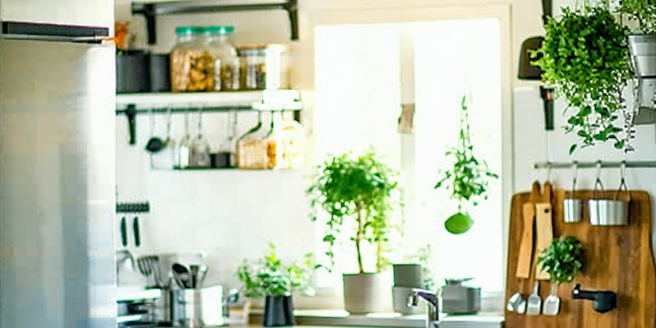
Undoubtedly, understanding kitchen efficiency principles is crucial for maximizing productivity. The key is to minimize movement and eliminate wasted time within the kitchen. This can be achieved by organizing workstations efficiently and keeping frequently-used items close at hand. It may also be helpful to periodically reassess your kitchen layout to ensure it meets your evolving needs. By designating specific areas for preparation, cooking, and cleaning, you can streamline the workflow. Additionally, maintaining a clean and decluttered workspace enhances focus and reduces the chances of mishaps. Keep essential tools and ingredients easily accessible, and store them in a logical sequence following your cooking habits. Adjusting your mindset to prioritize efficiency over haste can lead to better outcomes. Implementing these principles not only saves time but also makes cooking a more enjoyable and less stressful experience.
Essential Tools for an Efficient Kitchen
An efficient kitchen requires the right tools that save time and effort. Invest in a few high-quality knives, as a sharp knife improves speed and safety. A reliable cutting board is essential; opt for one that is sturdy and easy to clean. Non-stick pans and quality cookware can transform your culinary experience, allowing food to cook more evenly and reduce clean-up time. Introduce some efficient storage solutions to keep your kitchen organized and clutter-free. A food processor and a blender can cut down prep time significantly when chopping, grating, or mixing ingredients. Additionally, tools like a kitchen scale offer precision and accuracy in measuring ingredients. These tools streamline the cooking process, enabling you to focus more on the creativity of cooking rather than being bogged down by tedious tasks.
Time-Saving Techniques for Meal Prep
Incorporating time-saving techniques during meal prep can drastically reduce cooking time throughout the week. Start by planning your meals and creating a detailed shopping list to prevent last-minute grocery trips. Batch cooking is a valuable technique; cook grains or proteins in bulk to use in multiple dishes. Consider setting aside a specific day each week solely for batch cooking and food preparation. Pre-chopping vegetables and storing them in airtight containers cuts down daily prep time. Utilize pre-packaged ingredients when possible, like washed greens or diced onions, for quick assembly. Par-cooking ingredients, such as blanching vegetables, allows you to quickly finish off dishes on busy days. By dedicating a few hours each week to meal prep, you ensure a smoother cooking process and more free time on weeknights while reducing the stress of daily cooking.
The Art of Batch Cooking
Batch cooking is an art that requires strategic planning and execution. Begin by selecting recipes that share similar ingredients to save time and reduce waste. Consider dedicating a specific day each week to prepare your meals in advance. When batch cooking, focus on creating versatile dishes, like soups or stews, which can serve multiple purposes over the course of a week. Portioning cooked meals into storage containers ensures you have ready-to-eat options, minimizing daily meal decision-making. Proper storage is crucial; using the right containers and labeling them with dates helps in maintaining freshness. Batch cooking not only saves time but also reduces food waste and cuts down on frequent grocery shopping. Embrace the practice of batch cooking to maximize efficiency in the kitchen while enjoying delicious homemade meals with little effort daily.
How to Organize Your Kitchen Space
An organized kitchen space is integral for a smooth cooking experience. Start by decluttering countertops to keep only frequently used items. Consider the flow of your kitchen and arrange tools and ingredients logically; keep items you use together close to each other. Efficient organization can drastically reduce meal preparation time. Use drawer organizers for utensils and label containers to easily identify their contents. Hanging pots and pans or using vertical storage solutions maximizes space and accessibility. Group similar items, such as baking ingredients or spices, to quickly locate them during cooking. Regularly review your pantry and fridge to discard expired items and maintain an inventory of essentials. An orderly kitchen not only saves time and energy but also creates an inviting environment to inspire culinary creativity.
Quick and Healthy Recipe Ideas
Cooking quicker and healthier meals can seamlessly fit into your routine with a few strategic recipes up your sleeve. Consider stir-fries, which quickly come together by sautéing vegetables and a protein source in a flavorful sauce. These quick meals are perfect for when you have limited time but still want to eat well. Salad bowls with pre-cooked grains like quinoa or brown rice, paired with raw or roasted vegetables, offer a healthy and filling option. Sheet pan meals require minimal preparation and involve baking proteins and vegetables together for an easy, balanced meal. Omelets and frittatas are excellent for utilizing leftover ingredients, providing a nutritious meal any time of day. Soups, too, can be made quickly with the right canned or frozen ingredients. These ideas ensure that even on busy days, you’re able to prepare healthy, satisfying meals efficiently.
Effective Use of Kitchen Gadgets
Kitchen gadgets, when used effectively, can significantly enhance your cooking efficiency and creativity. A slow cooker is invaluable for preparing hands-free meals, letting you focus on other tasks while it cooks. An instant pot combines multiple functions, serving as a pressure cooker, rice cooker, and steamer, saving time and counter space. Blenders and food processors make quick work of chopping, mixing, and pureeing ingredients, reducing prep time. An often-overlooked gadget is the sous-vide machine, which allows for precise temperature control when cooking meats. An immersion blender offers quick blending directly in pots. A digital kitchen scale provides precise measurements for baking. Additionally, an air fryer simplifies cooking healthier versions of fried foods, offering a crispy texture with less oil. Understanding how to exploit these gadgets’ capabilities increases productivity while making cooking enjoyable and efficient.
Tips for Reducing Food Waste
Reducing food waste begins with mindful planning and purchasing. Start by listing weekly meals and buying only necessary ingredients to prevent overstocking. Consider making a habit of checking your pantry before heading to the store to avoid duplicating items you already have. Proper storage of fresh produce extends their life; use airtight containers for leftovers and freeze surplus when possible. Implement the ‘first in, first out’ rule in your pantry and fridge to ensure older items are used before newer ones. Get creative by involving leftovers in new recipes rather than discarding them. Understand expiration dates and avoid being too stringent with ‘best by’ labels; often, food remains safe beyond these dates. Composting can also be a sustainable option for food scraps. Regularly auditing food purchases and consumption habits makes a notable impact on reducing food waste over time.
Balancing Flavor and Efficiency in Cooking
Balancing flavor and efficiency is crucial for enjoyable and stress-free cooking. Start by mastering the basics of seasoning, such as salt, pepper, and herbs, which can elevate any dish. Understanding the importance of proper seasoning can drastically improve your culinary skills. Understand flavor profiles and how they complement each other; balancing acidity, sweetness, and umami enhances meals without complexity. Stock up on versatile pantry staples like spices and seasoning pastes that quickly boost flavor. Cutting techniques, like uniform dicing, ensure even cooking and consistent flavors. Simplicity often leads to bold flavors; focus on quality ingredients that bring out the best in dishes. Use compound butters or marinades prepared in advance to infuse dishes with flavor easily. Striking a balance between flavor and efficiency enriches both the cooking experience and the final dish.