Best Practices for Clothing Quality Assessment
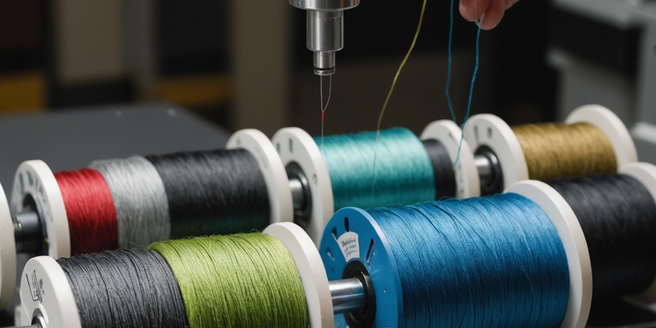
Understanding Fabric Composition and Fiber Quality
Fabric composition forms the foundation of clothing quality assessment. Natural fibers like cotton, wool, and silk offer distinct advantages including breathability and comfort, while synthetic fibers provide durability and stretch. Understanding fiber blends is crucial, as they combine beneficial properties of multiple materials. Quality assessment requires examining fiber length, which affects softness and durability. Thread count in woven fabrics indicates density and longevity. Testing fiber strength through tensile analysis reveals performance potential. Weight and thickness measurements provide insights into garment construction standards. Inspecting for fiber uniformity ensures consistent quality throughout the textile. Chemical composition analysis can identify potential allergens or harmful substances. Microscopic examination reveals fiber structure and potential defects. Professionals should verify certifications and supplier documentation to confirm fiber authenticity and ethical sourcing practices throughout the production process.
Evaluating Seam Construction and Stitching Integrity
Seam quality directly impacts garment longevity and wearability. Professional assessment requires examining stitch density, which typically ranges from twelve to sixteen stitches per inch for optimal strength. Consistent stitch length prevents weak points that lead to premature failure. Thread tension must remain uniform throughout, preventing puckering or loose stitches. Quality control inspectors should verify that seams are reinforced in high-stress areas like underarms and crotch regions. Double stitching or backstitching at stress points significantly enhances durability. The thread material should match or exceed the fabric’s strength characteristics. Seam allowances require proper width and finishing to prevent fraying. Different garment types demand specific seam constructions and techniques. Visual inspection combined with tensile testing reveals potential vulnerabilities. Professional assessment also considers thread color matching and aesthetic presentation standards.
Assessing Color Fastness and Dye Consistency
Color fastness determines whether clothing maintains its appearance through washing and sun exposure. Testing involves evaluating resistance to bleeding, fading, and color transfer onto other garments. Washing tests simulate multiple laundry cycles using standardized temperatures and detergents. Perspiration and crocking tests assess color stability under body moisture and friction. Sunlight exposure testing measures fading rates under controlled UV conditions. Quality assessment requires examining color consistency across all garment sections and seams. Dye lot variation identification prevents customer disappointment from color mismatches in replacements. Professional laboratories conduct standardized tests following industry protocols and rating scales. Chemical analysis ensures dyes meet safety and environmental regulations. Different fabric types require specific testing methodologies and standards. Color fastness directly influences customer satisfaction and perceived garment value. Regular testing protects brand reputation and ensures consumer confidence in product quality.
Checking Fit, Drape, and Construction Accuracy
Fit assessment requires evaluating garment dimensions against industry-standard sizing charts and specifications. Measurements across shoulders, chest, waist, hips, and length ensure consistency across production batches. Drape quality indicates proper fabric weight and construction techniques used during manufacturing. Professional assessors examine how fabric falls naturally on dress forms and human models. Symmetry checking verifies that left and right sides match precisely. Armhole depth, sleeve length, and inseam measurements must align with documented specifications. Pattern matching for plaids and stripes demonstrates attention to construction detail. Finished hem quality and consistency contribute significantly to overall garment appearance. Collar stands and button placement require exact alignment for professional presentation. Stress testing verifies that construction methods support expected wear patterns. Quality control processes compare finished samples against approved prototypes throughout production runs.
Testing Durability Through Wear and Care Simulation
Durability testing employs mechanical equipment simulating real-world wear conditions and stress patterns. Pilling resistance tests measure fabric degradation through friction and abrasion cycles. Wash cycle simulation using commercial equipment reveals how fibers, dyes, and construction withstand repeated laundering. Tumble dry testing identifies potential shrinkage and fabric damage from heat exposure. Flexing tests simulate movement in high-stress areas including knees, elbows, and seams. Tensile strength measurements before and after testing reveal overall durability impact. Color evaluation after care simulation ensures dyes maintain integrity throughout garment lifetime. Seam strength testing confirms stitching withstands repeated washing and wearing stresses. Elastic and fastener durability receives individual assessment for longevity. Documentation of test results establishes performance standards and reliability indicators. Accelerated testing compresses months of normal wear into concentrated laboratory conditions, providing comprehensive quality validation.