Thrift Shop Organization Techniques
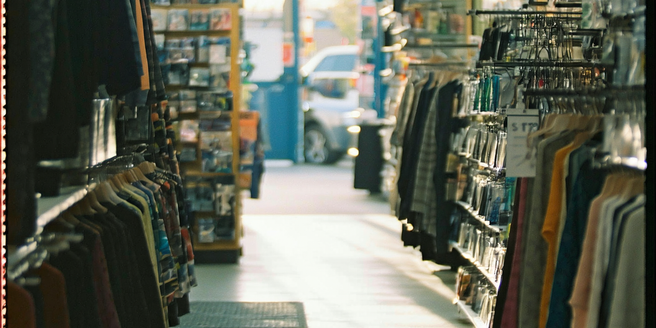
Creating a Practical Layout for Your Space
When designing the layout of your thrift shop, consider pathways, categorization, and accessibility as key components. To facilitate customer flow, design clear aisle spaces with well-marked sections. Allocate enough room for easy navigation between aisles, ensuring that shoppers can comfortably access different areas. Make sure your shop is well-lit, creating a welcoming environment for all visitors. Group similar items together, making it easier for customers to find what they are looking for. Encourage staff to remain approachable to assist customers as needed. For instance, create distinct zones for clothing, homeware, and accessories, and place popular items at the front to attract attention. Use signage to guide customers through the store and maintain a clutter-free environment to enhance the shopping experience. Regularly evaluate the layout for improvements, considering customer feedback and shopping patterns.
Essential Tools and Supplies for Thrift Shop Organization
Equipping your thrift shop with the right tools and supplies is crucial for maintaining order and efficiency. Start with essential items such as sturdy racks, shelving units, and display tables to keep your merchandise organized. Invest in quality hangers and mannequins that showcase clothing effectively. Adequate lighting can also make a significant difference in how your products are perceived by customers. Label makers and price tag guns are invaluable for ensuring that every item is tagged correctly and promptly. Baskets and bins help to keep small items tidy, while a rolling cart is useful for transporting items around the store. A barcode scanner speeds up checkouts, providing an efficient service to customers. Additionally, consider software systems for inventory management to track stock and sales, ensuring you never run out of popular items.
Maximizing Vertical Space with Shelving Solutions
Making the most of vertical space is a smart strategy in thrift shop organization. Shelving units that extend upwards allow you to display more items within the same footprint. Wall-mounted shelves can create additional display areas without occupying floor space. Incorporating tall plants or artistic pieces on higher shelves can also add aesthetic appeal to the overall layout. To maintain a tidy look, place larger, bulkier items higher up and reserve lower shelves for smaller, more delicate merchandise. Adjustable shelving units provide flexibility, allowing you to change the height of shelves to accommodate different items. Pegboards are another versatile option, enabling you to hang items like accessories and bags. By using vertical space effectively, you ensure that every inch of your shop is optimized, enhancing the shopping experience while allowing for a broad product range.
Effective Labeling Systems for Quick Access
Implementing an effective labeling system in your thrift shop is essential for easy navigation and management. Start by categorizing merchandise into logical groupings, using clear labels to identify each section. Consider involving your staff in the labeling process to ensure accuracy and consistency. Ensure that clothing racks are marked by size, gender, and type, while shelving for other items like books or homeware should have labels denoting genre or category. Utilize color-coded labels to indicate sale items or new arrivals quickly. Labels must be clear, easily legible, and positioned at eye level for maximum visibility. Digital labels or tablets can also be introduced to provide detailed information on particular items. A well-conceived labeling system not only aids customers in finding what they need but also assists staff during restocking and inventory checks.
Rotating Inventory Efficiently to Keep Shelves Fresh
To keep your thrift shop dynamic, it’s important to rotate inventory regularly. This involves swapping out items that have been on display for some time with fresh stock from your backroom. Implement a schedule, perhaps weekly or bi-weekly, for revisiting sections and replacing any stagnant items. Regularly updating your visual merchandising techniques can also enhance the shopping experience and highlight new arrivals. By continually refreshing your displays, you encourage repeat visits from customers interested in discovering new finds. You should also consider seasonal factors, adjusting the inventory to reflect changing customer needs, such as heavier coats in winter or swimwear in summer. Clear communication with staff about which items need rotation and training on efficient handling processes can streamline these efforts, keeping your store’s appearance attractive and engaging.
Streamlining Checkout Areas for Better Customer Flow
Designing a checkout area that is efficient and welcoming is crucial in providing excellent customer service. Start by ensuring the checkout counter is clutter-free, with necessary tools and supplies at hand, such as bags, receipt printers, and payment processing equipment. Proper lighting can also make the checkout area feel more inviting and accessible to customers. Arrange the area to allow for a clear queue, using signage or floor markings to guide customers. Place impulse-buy items near the checkout, encouraging last-minute purchases. For a more personal touch, consider installing a small bulletin board with shop news or community events. Additionally, staff should be well trained in operating checkout procedures efficiently. A streamlined checkout not only enhances customer satisfaction but also increases the speed at which transactions are processed, reducing wait times.
Organizing Back Stock for Easy Restocking
Efficiently organized back stock is crucial to maintaining smooth operations in your thrift shop. Arrange your stockroom in a manner that mirrors the sales floor layout, ensuring items can be quickly found and restocked. Use shelving and bins to categorize products, and label them clearly to avoid confusion. Implement a first-in, first-out policy to manage perishables or time-sensitive items effectively. Keep frequently replenished inventory closest to the entrance of the stockroom for quicker access. To further enhance efficiency, consider investing in an inventory management system that can track stock levels in real-time. Train staff on the layout and procedures for retrieving items, reducing time spent searching. Regular audits of back stock help identify gaps, avoid overstocking, and keep inventory levels optimal, ensuring that popular items are always available on the sales floor.
Developing a De-Cluttering Routine for Your Shop
Regular de-cluttering is essential for maintaining an inviting thrift shop environment. Establish a routine that involves a weekly or monthly assessment of your store’s layout and displays. Remove outdated or damaged items, ensuring that what remains is appealing and relevant. Train staff to recognize and set aside products that do not sell or clutter the space. Incorporating a feedback loop from customers can provide valuable insights into what items are most desirable. Consider hosting occasional sales events to clear excess inventory, such as ‘end of season’ or ‘overstock’ events, attracting more customers while managing stock. Allocate specific times for cleaning and tidying, involving all employees in maintaining the store’s presentation. Consistent decluttering not only enhances the shopping experience but also helps in identifying popular merchandise trends, facilitating better purchasing decisions.
Incorporating Seasonal Displays with Minimal Disruption
Seasonal displays are crucial for maintaining the relevance and freshness of your thrift shop offerings. Develop a display strategy that allows for seamless transitions with minimal disruption to the store layout. Use modular fixtures that can be easily updated, enabling a smooth switch from one theme to another. Incorporate customer feedback to enhance the display strategy effectively. By planning your calendar around key holidays and community events, you can prepare in advance for display changes. Highlight seasonal items at the entrance to attract interest and create focal points within the shop. Store extra seasonal merchandise in a dedicated space for quick access when needed. With efficient planning and setup, seasonal changes can be executed swiftly, updating your shop’s appearance while maintaining an organized, inviting atmosphere.