Botanical Garden Visits and Plant Walks
Planning Your First Botanical Garden Visit
Preparing for your inaugural botanical garden experience requires thoughtful consideration. Start by researching nearby gardens and reviewing their websites for operating hours, admission fees, and special events. Check weather forecasts and dress appropriately for outdoor exploration. Comfortable walking shoes are essential since you’ll spend considerable time on pathways. Plan your visit during quieter hours for a more immersive experience. Consider visiting during spring or fall when temperatures are moderate and plant diversity peaks. Arrive early to avoid crowds and maximize your energy levels. Bring a notebook to jot down plant names and observations. Set realistic expectations about distance and duration. Many gardens offer maps at entrances. Take breaks when needed and stay hydrated. Connect with fellow visitors to enhance your experience. Most importantly, embrace curiosity and allow yourself to move at your own pace.
Essential Gear and What to Bring on Plant Walks
Proper preparation ensures comfortable and productive plant walks. Invest in sturdy, waterproof hiking boots with excellent grip for varied terrain. Pack a lightweight backpack to carry essentials without strain. Bring plenty of water in a reusable bottle to stay hydrated throughout your journey. Wear layers since temperatures fluctuate during outdoor exploration. Include sun protection: sunscreen, hat, and sunglasses. A small notebook and pen document interesting plant species and observations. Binoculars enhance distant viewing of flora and fauna. Carry hand sanitizer and tissues for hygiene. Include a basic first-aid kit for minor scrapes. A camera or smartphone captures memorable moments. Pack energy-sustaining snacks like nuts or fruit. Wear breathable, neutral-colored clothing to minimize insect attraction. Consider bringing a field guide specific to your region’s plants. Don’t forget identification apps on your smartphone. A lightweight rain jacket protects against unexpected weather changes.
Guided Tours vs. Self-Guided Exploration
Both approaches offer distinct advantages for botanical garden experiences. Guided tours provide expert knowledge, fascinating plant histories, and cultivation techniques from knowledgeable interpreters. Professional guides highlight hidden gems and answer questions comprehensively. Tours create social connections with fellow plant enthusiasts. However, they follow set schedules and predetermined routes, limiting personal flexibility. Self-guided exploration allows complete autonomy over pacing, route selection, and focus areas. You can linger indefinitely at favorite specimens or skip sections quickly. This approach encourages independent observation and personal discovery. The downside includes missing expert insights and potentially overlooking significant features. Many gardens offer hybrid experiences combining guided segments with free exploration time. Consider your learning style and preferences. Beginners often benefit from initial guided tours establishing foundational knowledge. Experienced visitors typically prefer self-guided freedom. Some gardens provide quality audio guides offering professional narration with personal autonomy.
Seasonal Highlights and Best Times to Visit
Botanical gardens transform dramatically across seasons, each offering unique attractions. Spring explodes with vibrant blooms, budding trees, and returning migrating birds. April and May showcase peak flowering seasons. Summer provides lush foliage, tropical sections, and extended daylight hours for leisurely exploration. July and August attract visitors seeking shade and cool environments. Autumn displays spectacular foliage transformations, cooler temperatures, and fewer crowds. September through November offer comfortable walking conditions. Winter reveals garden structure, evergreen specimens, and peaceful atmospheres. Some gardens feature winter holiday decorations and festive displays. Deciduous plants expose architectural beauty when bare. Research your specific garden’s seasonal highlights beforehand. Many gardens publish bloom calendars indicating peak seasons for particular specimens. Visit during moderate temperatures for comfort. Avoid peak tourist seasons for quieter experiences. Rainy seasons after spring and summer precipitation often display gardens at maximum vibrancy and health.
Photography Tips for Capturing Garden Beauty
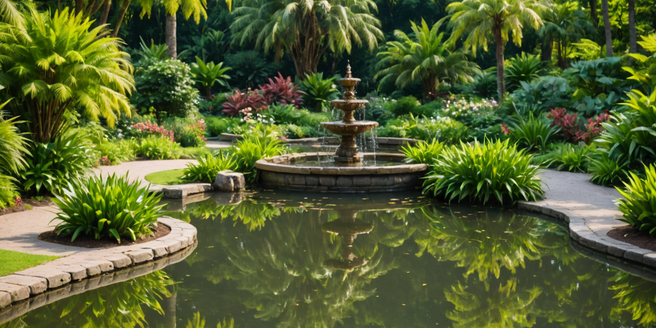
Photography transforms botanical garden visits into creative experiences. Utilize natural lighting, preferably during golden hours shortly after sunrise or before sunset, for warm, flattering illumination. Avoid harsh midday sunlight creating severe shadows. Position yourself to incorporate leading lines from pathways directing viewer attention. Capture macro details: flower stamens, leaf textures, and dewdrops for compelling compositions. Experiment with depth of field, using wide apertures isolating subjects from busy backgrounds. Include contextual shots showing plants within landscape settings. Photograph seasonal changes documenting garden transformations. Respect garden regulations regarding tripods and commercial photography. Capture reflections in water features and fountains for creative perspectives. Photograph interesting plant combinations demonstrating color harmony and design principles. Explore various angles: ground-level perspectives, overhead compositions, and eye-level framing. Include people interacting with gardens for scale and narrative context. Organize photos systematically, labeling species and dates. Share findings respectfully on appropriate platforms.