Automated Price Drop Alerts and Notifications
How Price Drop Alerts Work
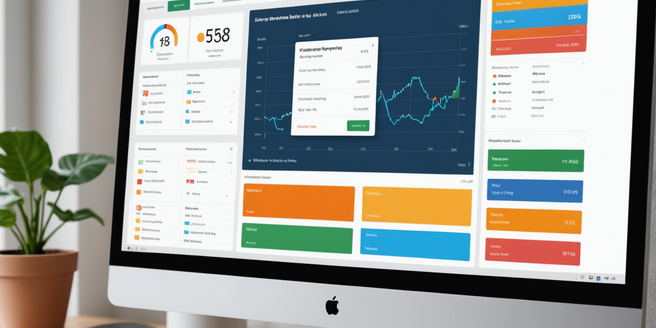
Price drop alerts function by continuously monitoring product prices across various retail platforms. The system compares current prices against your set thresholds, triggering notifications when prices fall below your target amount. These alerts use sophisticated algorithms to track price fluctuations in real-time, analyzing historical data to identify genuine deals versus temporary discounts. The technology integrates with major e-commerce platforms, automatically scanning thousands of products simultaneously. When a price match occurs, the system immediately sends notifications through your preferred channels. This automation eliminates the need for manual price checking, saving time and ensuring you never miss valuable opportunities. The alerts can be customized based on product categories, brands, or specific items, making the process highly personalized and efficient.
Setting Up Your First Price Alert
Creating your first price alert is straightforward and user-friendly. Begin by selecting the product you wish to monitor and entering your target price point. The system will then establish a baseline by recording the current price. Next, choose your notification preferences and frequency, deciding how often you want to receive updates. Verify your contact information to ensure alerts reach you reliably. Most platforms allow you to set price drop percentages or specific dollar amounts as triggers. You can also establish geographic preferences for retailers. Once configured, the alert becomes active immediately, monitoring prices continuously. Review your alert settings periodically to maintain accuracy. Many services offer browser extensions for quick alert creation while shopping online, streamlining the entire setup process significantly.
Choosing the Right Notification Channels
Selecting appropriate notification channels ensures you receive alerts when they matter most. Email remains the most popular option, offering detailed information and historical tracking. SMS notifications provide immediate mobile alerts for time-sensitive deals. Push notifications deliver instant updates directly to your smartphone or desktop. Social media integration allows sharing deals with friends and communities. Some services offer in-app notifications for users who regularly check the platform. Consider your daily habits when selecting channels: if you’re constantly mobile, prioritize push notifications; if you prefer comprehensive information, choose email. Many users combine multiple channels for redundancy and flexibility. Different products may warrant different notification approaches based on urgency. Adjust your preferences based on alert frequency to avoid notification fatigue while maintaining awareness of genuine savings opportunities.
Advanced Filtering Options for Smarter Alerts
Advanced filtering transforms price alerts from basic notifications into intelligent shopping tools. Exclude specific sellers or regions to focus on retailers you trust most. Filter by shipping costs, ensuring total expenses align with your savings goals. Set up brand preferences to compare competing products effectively. Exclude clearance or refurbished items if you prefer new merchandise exclusively. Implement time-based filters to receive alerts only during specific hours or days. Create category-specific alert thresholds, applying stricter criteria to discretionary purchases. Filter by product ratings and reviews to combine price savings with quality assurance. Combine multiple filters simultaneously for highly targeted results. These sophisticated options prevent irrelevant notifications and focus your attention on genuinely beneficial deals. Customization increases alert accuracy dramatically.
Maximizing Savings with Strategic Price Tracking
Strategic price tracking transforms casual shopping into a disciplined savings approach. Monitor seasonal items months before peak seasons, capturing early discounts. Track competitor prices simultaneously to identify the best overall value. Establish realistic price targets based on historical data and seasonal variations. Combine alerts with cashback programs and coupon codes for multiplied savings. Track items on your wishlist consistently without purchasing prematurely. Create separate alerts for different product tiers to balance quality with affordability. Document price history patterns to predict future drops accurately. Share alerts with friends for group purchasing discounts. Remain patient, resisting impulse purchases until your target price activates. This strategic methodology transforms price alerts from reactive tools into proactive financial planning instruments, significantly reducing overall spending while improving purchasing decisions and maintaining consistent savings throughout the year.