Best Price Alert Notifications Available
How Price Alert Notifications Work
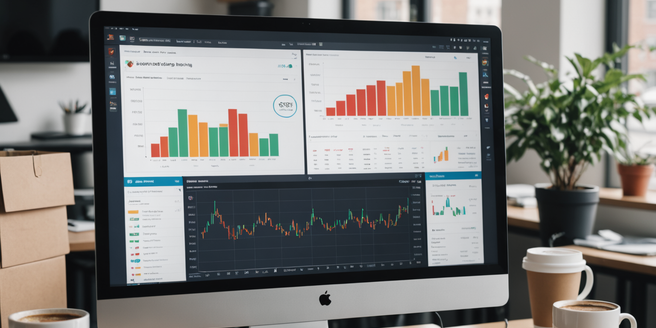
Price alert notifications monitor product prices across retailers in real-time. When you set an alert for an item, the system continuously tracks price changes. Once the price drops below your specified threshold, an instant notification is sent via email or app. These alerts work by scanning retailer websites and APIs, comparing current prices against historical data. Advanced algorithms detect even minor price fluctuations within seconds. Users can customize alerts by product, retailer, price point, and frequency. The technology eliminates manual price checking, saving significant time and effort. Notifications can be received immediately or batched daily, depending on preferences. Most services maintain price history records, allowing users to analyze trends and determine optimal purchase timing. This automation ensures shoppers never miss price drops on their desired items.
Top Features to Look for in Price Tracking Tools
When selecting price tracking tools, prioritize multi-retailer support for comprehensive coverage. Real-time monitoring ensures immediate notifications of price changes. User-friendly dashboards should display price history graphs and trends clearly. Customizable alert thresholds let you set specific price targets. Mobile app availability enables alerts on-the-go. Integration with wishlist and browser extensions adds convenience. Price prediction features help determine optimal purchase timing. Historical price data analysis reveals seasonal patterns and normal pricing ranges. Comparison tools show prices across multiple retailers simultaneously. Notification flexibility allows choosing between email, SMS, or push notifications. Advanced filtering options refine searches by brand, seller rating, or shipping speed. Wishlist synchronization across devices maintains accessibility. Many platforms also offer competitor price monitoring to keep you informed of market shifts. Export capabilities enable data analysis and sharing with others.
Comparing Popular Price Alert Services
Leading price alert services offer distinct advantages for different shoppers. Amazon’s built-in price tracking provides convenient monitoring for Prime members. Camelcamelcamel specializes in comprehensive Amazon price history and detailed analytics. Google Shopping alerts notify users of price changes across numerous retailers. Honey browser extension tracks prices while you shop and alerts automatically. SlugDeals aggregates deals and price drops from multiple sources. Keepa offers advanced Amazon analytics with customizable alert parameters. CamelCamelCamel provides detailed price charts and historical data visualization. Most services offer free tiers with premium features available. Considerations include retailer coverage, notification speed, interface intuitiveness, and customer support quality. Choose based on where you shop most frequently. Free options work well for casual users, while power shoppers benefit from premium subscriptions with advanced analytics and detailed tracking capabilities.
Setting Up Custom Price Alerts on Your Favorite Retailers
Setting up custom alerts typically involves straightforward steps across most platforms. First, locate your desired product on the retailer’s website or the tracking service. Click the price alert option and enter your target price threshold. Select notification preferences including frequency and delivery method. Choose whether to receive immediate alerts or daily summaries. Specify product variants if applicable, such as color or size preferences. Add items to wishlists for organized tracking of multiple products. Configure notification channels like email, SMS, or app notifications. Test alerts to ensure proper functionality before relying on them. Review and adjust alert settings periodically as prices fluctuate. Use category-specific alerts to monitor entire product types. Set filters to track specific sellers or conditions. Archive completed alerts to maintain dashboard organization and clarity.
Maximizing Savings with Smart Notification Strategies
Strategic alert management significantly enhances savings potential. Set realistic price targets based on historical data analysis rather than guessing. Monitor seasonal sales patterns to anticipate optimal purchase windows. Enable alerts across multiple retailers to capture competitive pricing. Combine alerts with cashback programs for cumulative savings. Track competitor prices simultaneously to ensure best deals. Use price history to identify normal pricing versus genuine sales. Set alerts slightly below typical prices to catch exceptional deals. Monitor bundle deals and promotions alongside individual prices. Coordinate alerts with loyalty program benefits for maximum value. Stack discount codes with alert-identified low prices. Follow brands on social media for exclusive offer notifications. Consider setting up alerts for complementary products that frequently go on sale together. Review alert frequency to avoid notification fatigue. Analyze purchase patterns to optimize alert settings strategically.
Best Price Alert Apps for Mobile Shopping
Top-rated mobile apps revolutionize price monitoring for smartphone shoppers. Honey integrates seamlessly with mobile browsers, tracking prices while shopping. Amazon’s official app includes built-in price tracking for Prime members. Camelcamelcamel provides dedicated apps for iOS and Android platforms. Google Shopping app delivers real-time alerts for products across retailers. Slickdeals mobile app aggregates community-posted deals and price drops. CamelCamelCamel apps offer detailed price history and advanced analytics. SlugDeals provides categorized deals with customizable notification settings. Keepa apps deliver comprehensive product analysis and price monitoring. Most apps feature barcode scanning for quick product lookup. Push notifications ensure immediate alert delivery to your device. These features combine to create a seamless shopping experience that saves both time and money. Dark mode options reduce eye strain during nighttime shopping. Offline functionality allows accessing saved alerts without internet connectivity.
Real-Time Alerts vs. Scheduled Notifications: Which is Right for You
Choosing between real-time and scheduled alerts depends on shopping habits and preferences. Real-time alerts notify immediately when prices drop, enabling quick purchases before restocking. Scheduled daily or weekly summaries reduce notification volume and decision fatigue. Real-time works best for limited-stock items and flash sales requiring rapid action. Scheduled notifications suit those monitoring multiple products without constant updates. Real-time alerts prevent missing fleeting deals on popular items. Scheduled updates allow batching decisions during designated shopping times. Consider notification frequency preferences and daily schedule availability. Real-time alerts demand immediate response capability to maximize opportunities. Scheduled summaries accommodate busy lifestyles with batch purchasing. Budget constraints may also influence whether you can act on time-sensitive opportunities or prefer to plan purchases in advance. Hybrid approaches enable real-time alerts for priority items and scheduled for others. Test both methods to determine which optimizes your shopping experience.
Common Mistakes to Avoid When Using Price Alerts
Understanding common pitfalls maximizes price alert effectiveness. Setting unrealistic price targets leads to missed opportunities and disappointment. Ignoring alert notifications causes missed deals on time-sensitive items. Failing to adjust alerts across retailers means missing competitive pricing elsewhere. Overloading alerts on unnecessary items creates notification fatigue and oversight. Not accounting for seasonal pricing variations results in poor target setting. Neglecting to track shipping costs alongside product prices distorts savings calculations. Forgetting to act when alerts trigger squanders opportunities before prices adjust. Failing to diversify across retailers limits deal visibility. Ignoring historical data prevents informed target price decisions. Setting identical alerts across platforms causes redundant notifications. Many shoppers overlook the importance of testing alerts on a few items first to ensure the system is configured correctly. Neglecting coupon code combinations underutilizes savings potential. Not regularly reviewing and pruning alert lists results in outdated tracking.
Future Trends in Price Monitoring Technology
Emerging technologies will revolutionize price monitoring capabilities significantly. Artificial intelligence and machine learning will enhance price prediction accuracy substantially. Predictive analytics will forecast optimal purchase timing before price drops occur. Voice-activated alerts will enable hands-free price monitoring on smart devices. Augmented reality integration will visualize price comparisons in physical stores. Blockchain technology will ensure transparent pricing across supply chains. Integration with cryptocurrency payments may offer additional savings opportunities. Advanced AI will personalize recommendations based on shopping patterns. Real-time inventory tracking will combine pricing with availability notifications. Drone-based retail monitoring will capture competitor pricing automatically. These innovations will work together to create a seamlessly integrated shopping ecosystem. IoT integration will alert shoppers about price changes while shopping. Social sentiment analysis will predict upcoming sales before announcement. Subscription services will evolve into comprehensive personal shopping assistant platforms.