Price Tracking Integration with Budgeting
Understanding Real-Time Price Monitoring
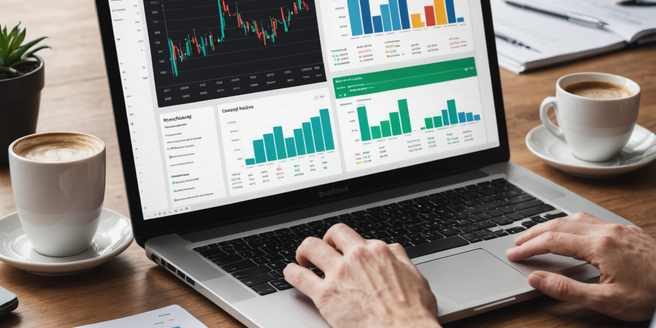
Real-time price monitoring is the foundation of smart financial planning. By tracking price fluctuations as they happen, you gain immediate visibility into market trends and product availability. This capability allows you to identify optimal purchasing windows and avoid overpaying for essential items. Modern price tracking systems utilize advanced algorithms to monitor thousands of products simultaneously across multiple retailers. The data collected provides invaluable insights into seasonal pricing patterns and competitor pricing strategies. Real-time monitoring eliminates guesswork from purchasing decisions, enabling you to make informed choices based on current market conditions. Whether shopping for groceries, electronics, or services, having access to live price information transforms how you approach spending and helps you maintain better control over your budget.
Connecting Price Data to Your Budget Framework
Integrating price tracking with your budgeting system creates a cohesive financial management approach. When price data flows directly into your budget framework, you can adjust spending categories dynamically based on actual market conditions. This connection allows you to see how price changes impact your overall financial goals in real time. Budget software can automatically recalculate your monthly allocations when prices fluctuate significantly, ensuring your spending remains aligned with your objectives. By linking these systems, you eliminate manual tracking and reduce errors in budget planning. The integration provides predictive insights, showing how current price trends might affect future expenses. This comprehensive approach transforms budgeting from a static exercise into an adaptive strategy that responds intelligently to market realities and helps you maintain financial stability.
Setting Alerts for Price Changes and Budget Impact
Strategic price alerts are essential for proactive budget management. By configuring notifications for significant price movements, you can respond immediately to opportunities that align with your financial goals. Alerts can be customized by percentage change, absolute dollar amounts, or specific price thresholds that match your budget parameters. When a price alert triggers, your budgeting system can automatically assess the impact on your monthly spending plan. This integration ensures you never miss favorable purchasing opportunities that could improve your overall financial position. Advanced alert systems can prioritize notifications based on product importance and budget category impact. By combining price alerts with budget constraints, you create a powerful safety net that prevents impulse purchases while identifying genuine savings opportunities. This proactive approach transforms price monitoring from passive observation into active financial optimization.
Analyzing Spending Patterns Through Price History
Price history analysis reveals critical insights into your spending behavior and market dynamics. By examining how prices have evolved over time, you can identify seasonal trends, cyclical patterns, and optimal purchasing periods for different product categories. Historical data enables predictive modeling that forecasts future price movements with reasonable accuracy. Understanding these patterns helps you plan purchases strategically rather than reactively. Your budgeting system can leverage historical price data to establish realistic spending benchmarks for each category. This analysis identifies opportunities where you might be overspending due to poor timing or lack of price awareness. By correlating your personal spending patterns with historical price data, you discover whether you’re truly getting good deals or paying premium prices. This data-driven approach to understanding your spending habits empowers more intelligent financial decisions and reveals hidden opportunities for cost optimization.
Optimizing Purchases with Integrated Price and Budget Insights
Integrated price and budget insights create a powerful optimization engine for your purchasing decisions. When price tracking and budget management systems work together, you gain comprehensive visibility into both your financial constraints and market opportunities. This combination enables you to identify purchases that deliver maximum value while respecting your spending limits. Advanced systems can recommend optimal purchase timing based on price forecasts and budget availability. The integration helps you distinguish between genuine needs and wants by contextualizing purchases within your overall financial strategy. Real-time insights allow you to shift spending between categories as price changes create new opportunities or constraints. By leveraging combined data from price monitoring and budget analysis, you transform purchasing from an instinctive behavior into a strategic process. This holistic approach consistently delivers better financial outcomes while reducing financial stress and improving your overall economic wellbeing.