Second-hand Shopping Strategies for Families
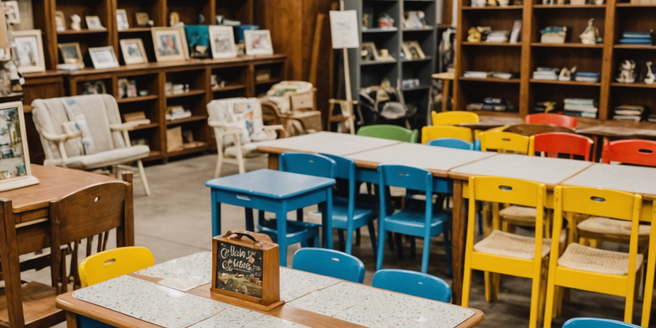
Understanding the Benefits of Second-Hand Shopping for Your Family Budget
Second-hand shopping offers families substantial financial advantages in today’s economy. By purchasing gently used items, families can reduce expenses by fifty to seventy percent compared to retail prices. Children outgrow clothing and toys rapidly, making new purchases wasteful and expensive. Second-hand markets provide access to quality brand-name items at fraction costs. This approach stretches household budgets significantly, allowing families to allocate savings toward education, healthcare, or emergency funds. Beyond personal savings, second-hand shopping promotes environmental responsibility by reducing landfill waste and manufacturing demands. Teaching children about sustainable consumption builds financial literacy and environmental awareness simultaneously. Families discover that quality pre-owned furniture, electronics, and clothing serve identical purposes as new items while preserving monetary resources. Strategic second-hand shopping becomes a family value that combines practical budgeting with conscious consumption habits.
Where to Find Quality Used Items: Online Platforms and Local Stores
Families have numerous options for discovering quality second-hand items. Online platforms like Facebook Marketplace, eBay, and Poshmark offer extensive selections with convenient delivery options. Specialized apps for children’s items, furniture, and clothing connect buyers directly with sellers. Local thrift stores including Goodwill and Salvation Army provide in-person browsing experiences and immediate purchases. Community consignment shops offer curated selections of higher-end items. Garage sales and estate sales yield unexpected treasures at negotiable prices. Library sales feature discounted books perfect for families. School fundraising events often include quality used items. Online groups dedicated to local buying and selling foster community connections. Each platform serves different shopping preferences and budgets. Combining multiple sources maximizes selection and savings opportunities. Building relationships with local sellers often reveals future inventory before public listing. Exploring diverse channels ensures families find exactly what they need at optimal prices.
Inspection Tips: How to Evaluate Condition and Authenticity
Thorough inspection protects families from purchasing damaged or counterfeit items. Examine clothing seams, zippers, and fabric integrity carefully for wear or repairs. Check electronics for functionality by testing all features before purchase. Furniture requires inspection for structural integrity, loose joints, and hidden damage underneath. Request detailed photographs showing wear areas and defects from online sellers. Verify brand authenticity through logos, stitching quality, and packaging details. Ask sellers specific questions about item history and reasons for selling. Test wheels, latches, and moving parts on children’s equipment. Look for stains, odors, or pest indicators on upholstered items. Request receipts or documentation for high-value purchases when available. Meet sellers in safe public locations for in-person inspections. Trust instincts when something appears questionable or misrepresented. Professional authentication services exist for luxury goods. Building inspection confidence through experience improves purchasing decisions substantially.
Smart Shopping by Season: Timing Your Purchases for Maximum Savings
Strategic seasonal timing multiplies second-hand shopping savings significantly. End-of-season sales occur when retailers clear inventory for new merchandise. Spring and summer bring garage sale season in most communities. Back-to-school periods feature discounted clothing and supplies. Holiday seasons generate increased inventory as people declutter before celebrations. Winter clothing becomes affordable in spring thrift stores. Swimming gear reduces in price after summer ends. Holiday decorations sell cheaply in January. School uniforms appear regularly at year-end clearances. Furniture sales increase when families move during spring and summer. Learning seasonal patterns helps families anticipate availability and pricing. Patience during off-seasons yields superior deals. Planning purchases around predictable cycles maximizes budget stretch. Families can stock up on upcoming season items months ahead. Understanding retail cycles transforms second-hand shopping into sophisticated financial strategy.
Building a Sustainable Wardrobe: Rotating Clothing Through Family Members
Rotating clothing through family members maximizes second-hand shopping investment returns. Siblings of different ages can share quality pieces across years. Storing outgrown items in labeled bins preserves them for younger children. Gender-neutral clothing increases usability across multiple children. High-quality basics withstand multiple children’s wear cycles effectively. Documenting growth stages helps predict future sizing needs accurately. Teaching children environmental responsibility through clothing rotation builds character. Purchasing versatile, timeless styles ensures longevity across siblings. Reinforcing seams and replacing buttons extends garment lifespan. Organized rotation systems prevent duplicate purchases. Cousins and friends benefit from shared clothing exchanges. Online groups facilitate clothing swaps among families. This sustainable approach reduces overall family spending substantially. Building quality wardrobe foundations early saves thousands annually. Multigenerational clothing strategies create family traditions around mindful consumption.
Selling Your Own Items: Creating Additional Income While Decluttering
Selling unused family items generates income while reducing household clutter. Children’s clothing, toys, and furniture sell readily since families constantly seek affordable options. Seasonal rotation creates natural decluttering opportunities. Staging items attractively in photos increases buyer interest significantly. Detailed descriptions addressing condition transparently build buyer confidence. Bundling similar items creates attractive package deals. Online platforms handle transactions securely with built-in buyer protection. Pricing competitively ensures rapid sales and consistent inventory turnover. Local pickup options reduce seller complications and expenses. Hosting seasonal garage sales builds community relationships while clearing space. Setting realistic prices based on comparable listings maximizes profits. Donating unsold items provides tax deductions after specified periods. Involving children in selling teaches entrepreneurship and financial responsibility. Reinvesting proceeds into family needs completes the sustainable cycle. Creating regular selling habits transforms decluttering into profitable household management strategy.