Sports Equipment Price Tracking
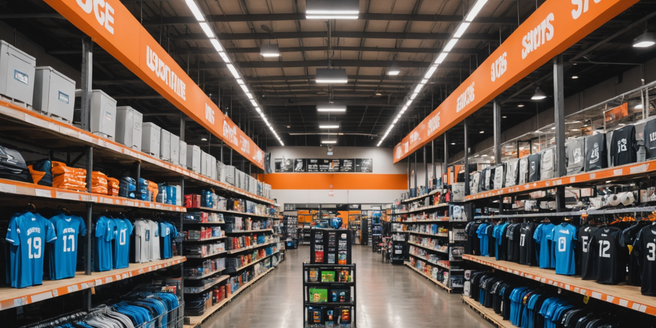
Why Price Tracking Matters for Sports Enthusiasts
Price tracking is essential for sports enthusiasts looking to make smart purchasing decisions. Equipment costs can vary significantly across retailers and seasons, making it crucial to monitor prices before committing to purchases. By tracking prices, you gain valuable insights into market trends and can identify the optimal time to buy. This practice helps you stretch your budget further, allowing you to invest in quality gear without overspending. Whether you’re a casual athlete or serious competitor, understanding price fluctuations enables you to plan purchases strategically. Additionally, price awareness helps you recognize genuine deals versus inflated prices, protecting you from overpaying. For hobbyists building collections or professionals upgrading equipment regularly, consistent price monitoring transforms into substantial savings over time. Smart shoppers understand that timing matters in sports equipment purchases, and price tracking provides the data needed to make informed, financially responsible decisions.
Best Tools and Apps for Monitoring Equipment Costs
Several excellent tools simplify sports equipment price tracking. CamelCamelCamel specializes in Amazon price history, showing detailed charts and price trends. Honey automatically compares prices across retailers and applies coupon codes at checkout. Keepa offers comprehensive price tracking with alerts for specific products. Google Shopping provides real-time price comparisons from multiple vendors simultaneously. RetailMeNot aggregates current deals and discount codes. For specific sports retailers, many offer price drop alerts directly through their websites and apps. Slickdeals aggregates user-submitted deals and price information. These platforms empower you to make data-driven purchasing decisions. Most offer mobile apps for on-the-go monitoring, ensuring you never miss important price drops. Setting up multiple tools provides comprehensive coverage across different retailers. Investing time in learning these platforms pays dividends through consistent savings on quality sports equipment.
Seasonal Price Trends in Popular Sports Gear
Sports equipment prices follow predictable seasonal patterns that savvy shoppers exploit. Winter sports gear peaks in price during fall as demand increases, then drops significantly in spring. Conversely, summer equipment like swimming gear and tennis rackets are most expensive in spring and cheaper during winter. Back-to-school season drives up prices for athletic shoes and general fitness equipment in August and September. Holiday periods typically feature aggressive discounts as retailers clear inventory before year-end. Spring cleaning season triggers price reductions on slightly older models. End-of-season clearances offer dramatic savings on specialized equipment. Manufacturers often release new models at specific times, causing previous versions to drop in price. Understanding these cycles allows strategic purchasing. Buying winter sports equipment in May yields better prices than purchasing in October. Similarly, purchasing summer gear during winter months provides substantial savings. By aligning purchases with seasonal trends, enthusiasts maximize their purchasing power significantly.
Smart Strategies to Maximize Your Savings
Maximizing savings requires combining multiple strategies effectively. First, establish a wishlist of desired equipment and track prices consistently over several months to understand typical price ranges. Set up price drop alerts so you receive notifications immediately when prices decrease. Consider buying previous-season models when new releases arrive, as older inventory receives deep discounts. Subscribe to retailer newsletters for exclusive deals and early access to sales. Use cashback programs and credit card rewards to earn additional savings on purchases. Bundle purchases to qualify for bulk discounts. Compare prices across multiple retailers before finalizing transactions. Join online communities where enthusiasts share current deals and discount codes. Time major purchases around holiday sales and seasonal clearances. Wait for flash sales and promotional events rather than buying impulsively. Combine multiple discount codes and promotions when possible. These coordinated strategies compound your savings substantially over time.
Setting Up Alerts and Notifications for Deal Detection
Setting up effective price alerts ensures you never miss valuable opportunities. Most price tracking platforms allow customizable alerts based on specific price thresholds or percentage decreases. Configure alerts to notify you when prices drop below your target amount rather than receiving every minor fluctuation. Use email alerts for comprehensive tracking and mobile notifications for immediate attention to time-sensitive deals. Organize alerts by product category for easier management. Set different alert thresholds for different items based on your budget priorities. Test alert systems initially to ensure they deliver notifications reliably. Establish notification preferences to avoid alert fatigue from excessive messages. Consider timezone settings if tracking international retailers. Review alert settings regularly and adjust thresholds as market conditions change. Social media platforms and deal websites offer additional notification options through following and subscriptions. Create a dedicated email account for price alerts to prevent inbox clutter. Regular monitoring of alert dashboards reveals emerging trends and patterns in pricing behavior.