How to Find Hidden Savings
Review Your Subscription Services and Cancel Unused Ones
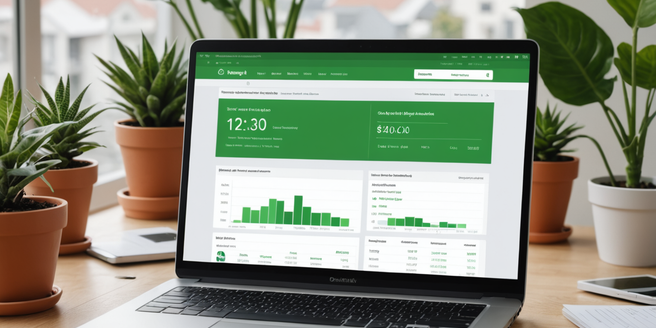
Many households waste hundreds of dollars annually on forgotten subscriptions. Review your bank and credit card statements to identify recurring charges you no longer use. Streaming services, fitness apps, magazines, and software licenses often renew automatically without providing value. Create a comprehensive list of all active subscriptions and evaluate which ones align with your current lifestyle and budget. Contact providers to cancel services you don’t need, and consider downgrading to cheaper tiers for services you wish to keep. Some companies offer discounts for annual payments instead of monthly billing. You may also find that sharing family plans with trusted friends or relatives can significantly reduce individual costs. Set calendar reminders to review subscriptions quarterly, ensuring you continue paying only for what you actively use and enjoy.
Audit Your Utility Bills for Unnecessary Expenses
Utility bills present significant savings opportunities when examined carefully. Request detailed breakdowns of your electricity, water, gas, and internet charges from providers. Compare your current rates with competitors in your area to ensure you’re receiving competitive pricing. Look for bundled services that might reduce overall costs. Identify usage patterns and investigate unusual spikes that could indicate problems or inefficiency. Many utility companies offer energy audits that reveal ways to reduce consumption. Ask about available discounts for seniors, low-income households, or automatic payments. Consider switching to time-of-use billing plans if your provider offers them, as these often charge lower rates during off-peak hours. Installing programmable thermostats and LED lighting can substantially lower energy bills. Contact providers to discuss promotional rates or negotiate better terms based on loyalty or competitive offers.
Negotiate Better Rates on Insurance and Phone Plans
Insurance premiums and phone bills rank among the highest recurring expenses for families. Contact your insurance provider annually to negotiate rates or inquire about available discounts for bundling policies, good driving records, or safety features. Shop around with competitors to compare quotes and leverage better offers during negotiations. Review your phone plan usage to ensure you’re not overpaying for data, minutes, or features you don’t need. Consider switching to prepaid plans or budget carriers that often provide substantial savings. Ask about employer discounts, student rates, or promotional offers. Don’t hesitate to mention competing quotes when negotiating with current providers. Many companies offer retention discounts to prevent customer turnover, making it worthwhile to explore options annually.
Track Discretionary Spending to Identify Problem Areas
Discretionary spending often represents the easiest category for finding hidden savings. Track all non-essential purchases including dining out, entertainment, shopping, and hobbies using budgeting apps or spreadsheets. Categorize expenses to identify patterns and problem areas requiring attention. Many people discover they spend significantly more on coffee, subscriptions, and impulse purchases than realized. Review spending weekly to maintain awareness and accountability. Set realistic spending limits for each category and adjust as needed. Consider implementing a waiting period before making non-essential purchases to reduce impulse buying. Redirect funds saved from discretionary cuts toward debt repayment or emergency funds. Understanding your spending habits empowers informed decisions about where to reduce expenses without sacrificing quality of life.
Leverage Cashback Programs and Loyalty Rewards
Cashback and loyalty programs offer straightforward ways to recover money on purchases you’re already making. Sign up for cashback credit cards that return percentage amounts on everyday purchases like groceries, gas, and dining. Many retailers offer loyalty programs providing points, discounts, or exclusive member benefits. Stack rewards by using cashback apps alongside credit card rewards when shopping online. Track earned rewards to maximize redemptions and avoid program point expiration. Some programs offer bonus point multipliers during specific periods or for particular categories. Compare rewards programs to find those aligning with your spending patterns. While building credit responsibly with reward cards, pay balances monthly to avoid interest charges that eliminate savings. Combining multiple rewards strategies can generate hundreds in annual savings on regular household expenses.