Thrift Like A Pro: Advanced Tips
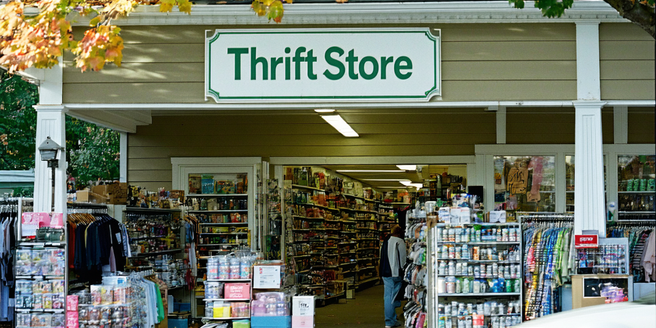
Understanding Thrift Store Dynamics
Navigating the ever-changing landscape of thrift stores requires an understanding of their unique dynamics. Factors such as location, target demographic, and inventory turnover rate play pivotal roles in shaping the shopping experience. Thrift stores often receive their merchandise from direct donations or overstock items from larger retailers, resulting in a diverse array of products. A keen eye for quality and authenticity can often lead to remarkable discoveries. Seasonal changes can dramatically affect the quality and type of items available. For instance, in spring, you might find lighter clothing and outdoor gear, while winter sees an influx of coats and warm accessories. Moreover, each store may establish distinct pricing strategies based on the demand and overall clientele. Understanding these nuanced elements allows shoppers to time their visits effectively and maximize the likelihood of finding invaluable treasures.
Mastering the Art of Negotiation
Skillful negotiation is an invaluable asset when thrifting. Many thrift stores have flexible pricing policies that allow for haggling, especially if you are buying in bulk or if the items have minor defects. The key is to approach negotiation with respect and a clear strategy. Begin by showing genuine interest in the item and establish rapport with the sales personnel. Highlight any defects or shortcomings of the item, subtly suggesting that a price reduction could be warranted. It’s important to remain calm and polite throughout the process, as aggressive or pushy behavior is unlikely to yield desired results. Remember that thrift store employees are often unable to make large price adjustments but may have some leeway for negotiation within a reasonable range. Practicing these techniques can lead to significant savings over time.
Spotting Quality in Unexpected Places
In the treasure hunt that is thrift shopping, spotting quality amidst a sea of items is a prized skill. Developing an eye for valuable pieces requires patience and practice. Start by understanding key indicators of quality such as fabric types, craftsmanship, and brand labels. Natural fibers like wool, cotton, and silk often indicate durability and longevity. Closely examine stitching and construction to gauge the craftsmanship. High-end brands typically signify better quality, but be wary of counterfeits. Pay attention to the item’s condition, assessing for any signs of damage or wear. Oftentimes, the best finds are hidden among less attractive items, so it’s crucial to remain open-minded. Practice regularly, and soon, spotting quality items amid the clutter will become second nature, enhancing your ability to discover hidden gems.
Leveraging Seasonal Inventory Trends
Thrifting success is often tied to understanding and leveraging seasonal inventory trends. Retailers rotate their stock based on seasonal demands, creating opportunities for astute shoppers. During end-of-season sales, many thrift stores receive surplus inventory from larger retailers, including brand-new items from the just-ended season. For instance, at the end of winter, you might find deeply discounted coats and sweaters as stores prepare for spring stock. Similarly, during the transitional months, stores often clear out old merchandise to make room for new arrivals. This is an ideal time to score great deals as stores offer discounted prices to expedite turnover. It’s beneficial to develop relationships with store staff, as they can provide insights on upcoming inventory changes and potential markdowns. By understanding these cycles, thrift shoppers can maximize their buying power and snag exceptional deals.
Utilizing Technology for Thrift Shopping
Incorporating technology into thrift shopping can significantly enhance the overall experience. Mobile apps and social media platforms provide real-time updates on sales, new arrivals, and special store events. Many thrift stores now maintain a digital presence to connect with customers and promote their inventory. Apps like Instagram and Facebook allow stores to showcase unique items and engage with their audience. Online resale platforms also enable thrifters to explore broader options beyond local stores. Barcode scanning apps can help verify item authenticity and market value, aiding in informed decision-making. Using these technological tools enables shoppers to efficiently plan visits and stay updated on potential hauls. With technology, the hunt becomes not only more strategic but also more rewarding, allowing for a seamless integration of digital resources into traditional thrifting practices.
Cultivating Relationships with Store Staff
Building strong relationships with thrift store staff can greatly enhance your thrifting experience. Regular patrons often receive insider information about upcoming sales, new inventory, or exclusive offers. Store employees are knowledgeable about their stock and can provide valuable insights into the best times to shop or the most likely days for new deliveries. Engage with staff by showing genuine interest in the items and asking questions about the store’s inventory cycles and discount policies. Being courteous and respectful fosters goodwill, making staff more inclined to remember you and offer personalized tips. Over time, these relationships can lead to greater shopping success, as employees may be more willing to set aside special items they know will pique your interest. Cultivating these connections turns casual visits into fruitful shopping adventures.
Sustainable Buying: Making a Difference
Thrift shopping is not only about finding unique pieces but also about making sustainable choices that positively impact the environment. By purchasing second-hand, shoppers contribute to reducing waste and lessening the demand for new, resource-intensive products. This practice helps in conserving energy, minimizing pollution, and reducing the overall carbon footprint associated with manufacturing new goods. In addition, shopping at thrift stores is often a budget-friendly option for those looking to save money without compromising on style. Furthermore, supporting thrift stores often means backing charitable causes, as many are run by nonprofit organizations that use proceeds to support community initiatives. Opting for sustainable buying practices encourages a more eco-friendly lifestyle while also encouraging others to consider second-hand options. Educating oneself about the environmental impact of fast fashion and promoting the benefits of thrift shopping can inspire collective efforts toward a more sustainable future.
Upcycling and DIY Projects for Finds
Thrift shopping opens up a world of possibilities for upcycling and DIY projects. Many second-hand items, whether clothing, furniture, or decorative pieces, can be transformed into something new and unique. Upcycling not only extends the life of an item but also allows you to showcase creativity and personal style. For instance, old jeans can be converted into stylish tote bags, or a worn-out dresser can be revitalized with a fresh coat of paint and new hardware. Online platforms like Pinterest and DIY blogs offer endless inspiration and tutorials for repurposing thrift store finds. Whether you’re a seasoned DIY enthusiast or a novice looking to start small, thrifting provides a treasure trove of materials waiting to be reimagined, enhancing your home, wardrobe, and personal expression through sustainability.
Curating a Collection with Thrift Store Gems
Curating a personal collection of thrift store gems is both an art and a journey. It involves not only selecting items that resonate with your style and taste but also creating a cohesive narrative through the pieces you choose. Begin by defining a theme or aesthetic that reflects your personality, whether it be vintage, minimalist, or eclectic. As you explore thrift stores, focus on acquiring items that align with this vision. Patience is key, as curating a collection takes time and dedication. Pay attention to details like color, texture, and craftsmanship, ensuring each piece adds value to your collection. Documenting your acquisitions enhances the storytelling aspect, allowing you to reflect on the journey and significance of each find. With thoughtful selection, your collection becomes a representation of your unique style and treasure-hunting prowess.