Charity Bargain Hunts
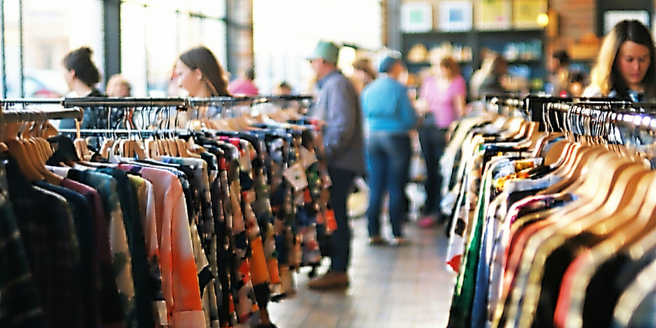
The Rise of Thrift Shopping for Charity
Thrift shopping for charity has gained traction as people become more aware of its benefits. It’s not just about finding hidden gems at a fraction of their retail price; it’s also about contributing to a good cause. Many thrift stores are operated by charitable organizations that use proceeds to fund various programs. Shoppers feel a sense of accomplishment knowing their money supports vital services in their communities. Additionally, there is a growing trend among millennials and Gen Z who value sustainability. They recognize that purchasing secondhand items reduces waste and promotes environmentally-friendly practices. As more individuals embrace this form of shopping, charity shops continue to evolve, offering curated selections rivaling regular retail stores. The blend of unique finds and positive social impact makes thrift shopping an appealing choice today.
How to Identify High-Value Items
Identifying high-value items in thrift stores requires a keen eye and some knowledge of brands and materials. First, familiarize yourself with luxury brands, high-quality fabrics, and items typically holding or increasing in value, like vintage clothing, electronics, and rare collectibles. Examine each piece carefully; check for labels, seams, and craftsmanship, which can indicate higher end items. Antiques or collectibles should be researched beforehand; mobile apps can assist in quick valuation. Look for garments with durable stitches and materials like wool, cashmere, or leather. Stay away from visibly damaged or overly worn pieces unless you’re willing to invest in repairs. Finally, frequent visits to thrift stores can increase the chances of scoring high-value items, as inventory constantly changes. With patience and practice, anyone can become adept at spotting treasures.
The Benefits of Supporting Secondhand Stores
Supporting secondhand stores offers numerous benefits, both for consumers and the broader community. Financially, shoppers enjoy access to clothing, furniture, and household goods at significantly reduced prices compared to traditional retail outlets. This affordability makes essential items accessible to those on a budget. Environmentally, secondhand shopping reduces waste by providing items with a second life, diverting them from landfills and conserving resources needed to produce new goods. Socially, many secondhand stores are run by charitable organizations, meaning that every purchase contributes to community-building initiatives, from homeless shelters to youth programs. By choosing secondhand, consumers actively participate in a sustainable, eco-friendly lifestyle while fostering community spirit and supporting meaningful causes. This convergence of benefits makes thrift shopping an increasingly popular choice.
Tips for Successful Charity Bargain Hunts
Effective charity bargain hunting requires strategy and an open mind. Start with research; find out which stores support causes you care about and prioritize visits there. Once inside, keep an eye out for sales events or discount days which often yield the best deals. Establish a list of items you’re interested in to avoid feeling overwhelmed, yet remain adaptable for unexpected finds. Inspect each item thoroughly. Take your time to check for quality and condition to ensure you are purchasing something worthwhile. Timing can be crucial; weekdays or early mornings may offer quieter shopping experiences for those who prefer less crowded environments. Lastly, develop relationships with store staff who might inform you about upcoming sales or new arrivals. With patience and persistence, charity bargain hunts can be both rewarding and enjoyable.
Inspiring Stories from Successful Thrift Shoppers
Many thrift shoppers have unearthed treasures and heartwarming stories while bargain hunting. Consider the tale of Sarah, who discovered a vintage designer coat in pristine condition for a fraction of its market value. Her find not only boosted her confidence but sparked a love for fashion history and sustainable shopping. Then there’s Tom, who stumbled upon a rare, out-of-print book that reignited his childhood passion for reading. Through thrift shopping, individuals also engage in meaningful exchanges, sometimes forging friendships over shared admiration of unique items. These experiences highlight the joy and fulfillment many derive from their finds. Each trip offers a new adventure, and these stories are a testament to the rewards that come from embracing thrift shopping’s unpredictability. These narratives not only inspire others to thrift but also underline why this shopping approach remains cherished by many.