Thrifting for Board Games and Entertainment
Where to Find Hidden Gaming Gems
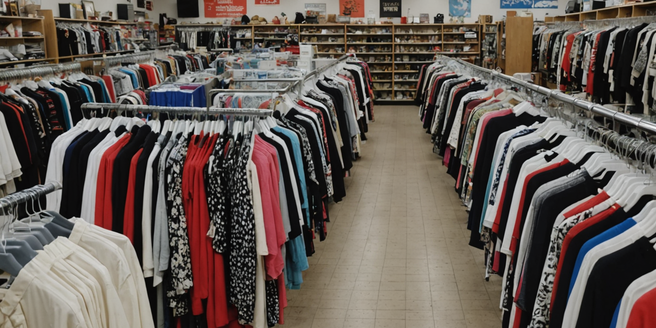
Finding hidden gaming gems requires exploring diverse thrift locations. Start with local Goodwill stores, Salvation Army outlets, and estate sales where vintage games often hide on forgotten shelves. Community Facebook groups and Craigslist frequently feature private sellers liquidating collections. Check pawn shops, flea markets, and garage sales during weekends for unexpected treasures. Online platforms like eBay and local marketplace apps occasionally offer underpriced lots. Don’t overlook specialty thrift shops focusing on vintage items or collectibles. Libraries sometimes host game sales. Building relationships with store employees helps you learn when new inventory arrives. Patience and persistence are essential when hunting for rare titles that others have overlooked. Visiting locations regularly increases discovery chances. Many collectors find their best acquisitions by simply browsing consistently and knowing what to look for among dusty shelves.
Evaluating Board Game Condition and Completeness
Assessing condition is crucial before purchasing thrifted games. Examine boxes for water damage, tears, or severe creasing that affects gameplay. Open games to verify all components are present, including cards, tokens, dice, and instruction manuals. Check game boards for missing sections or permanent damage. Inspect box inserts for wear and functionality. Missing pieces significantly diminish value unless easily replaceable. Test game mechanisms if possible to ensure they operate correctly. Look for smoke or pet odor in storage boxes. Verify that all player pieces and score trackers are accounted for. Documentation of original contents helps assess completeness. Pay special attention to the condition of dice and tokens, as these are frequently lost or damaged over time. Consider whether missing elements are critical or cosmetic. Understanding component importance helps determine if restoration is worthwhile.
Spotting Rare and Out-of-Print Titles
Identifying rare games requires gaming knowledge and research skills. Learn classic titles that command premium prices in secondary markets. Use BoardGameGeek to check publication dates and print runs determining rarity. Search game titles on eBay’s sold listings to gauge current market values. Recognize first editions by examining box designs and copyright dates. Familiarize yourself with legendary games from the 1980s and 1990s that rarely appear in thrift stores. Look for international releases or limited printings that are harder to find. Join gaming communities online to learn which titles are currently sought after. Build a mental catalog of valuable games before thrifting. Photograph unusual finds for research later. Understanding what collectors pursue helps you recognize hidden treasures among ordinary-looking boxes. Condition matters significantly, so inspect game components carefully for missing pieces or water damage that might affect resale value.
Negotiating Prices and Making Deals
Negotiating effectively maximizes your thrifting budget and secures better prices. Research comparable prices before making offers on substantial purchases. Approach price discussions respectfully, especially with independent sellers. Bundle multiple games for volume discounts. Point out legitimate condition issues when justifying lower offers. Shop during sales events when thrift stores reduce prices further. Visit regularly to build rapport with staff who may offer insider deals. Make reasonable first offers that leave room for discussion without insulting sellers. Cash payments sometimes encourage discounts from private sellers. Ask about upcoming sales or clearance events. Understanding seller motivation helps frame negotiations appropriately. Group purchases with other collectors to negotiate better rates. Building genuine relationships with sellers often leads to more favorable outcomes than aggressive haggling tactics. Timing matters significantly when negotiating, so develop patience and persistence.
Cleaning and Restoring Thrifted Games
Proper cleaning transforms thrifted games into collection-worthy pieces. Use soft brushes to remove dust from boxes and components carefully. Wipe non-paper surfaces with slightly damp cloths to eliminate grime without causing damage. For stubborn stains on cards or boards, use specialized game-safe cleaners or diluted vinegar solutions. Allow games to air dry completely before storage. Address odors through charcoal or baking soda placed in sealed containers. Replace worn instruction manuals with print-on-demand options when originals are illegible. Repair torn box edges with archival tape on interior seams. Test any cleaning solution on an inconspicuous area first to ensure it won’t cause discoloration. For minor board scratches, apply touch-up markers matching original colors. Reorganize component storage with quality card sleeves and plastic containers. Document restoration efforts for personal records. Avoid harsh chemicals that damage artwork or components.
Building a Diverse Collection on a Budget
Creating varied collections economically requires strategic purchasing and knowledge. Prioritize different game categories like worker placement, deck building, and party games. Set monthly budgets limiting spending to maintain financial responsibility. Focus on highly-rated games with lasting appeal rather than trendy titles. Purchase thematically connected games gradually rather than impulsively. Seek bundle deals combining multiple titles at reduced rates. Join game lending libraries where membership provides access without ownership costs. Rotate favorite games regularly to maintain freshness and engagement. Explore lightweight games that provide entertainment without premium price tags. Trade duplicate games with community members to expand variety. Research online reviews and watch gameplay videos to make informed decisions before committing to purchases. Attend board game cafes to test titles before purchasing. Invest in gateway games introducing new players to the hobby effectively.
Red Flags and What to Avoid
Identifying problematic purchases protects your collection and budget. Avoid games with missing instruction manuals unless you can access PDFs online easily. Skip heavily water-damaged boxes indicating potential internal component damage. Reject games with mysterious odors suggesting mold or animal contamination. Beware of incomplete sets where critical components are irreplaceably lost. Avoid games from unknown publishers with questionable game design reputation. Don’t purchase games with extensive crayon markings or permanent damage. Skip sealed games from unknown sellers without return policies, as contents may be damaged. Avoid games with broken game mechanisms that are difficult to repair. Be cautious of significantly underpriced games, which may indicate hidden damage. Reject games with evidence of bed bugs, cockroaches, or rodent damage. Trust your instincts when something feels wrong about a particular game.
Connecting with Local Gaming Communities
Engaging with communities enhances thrifting knowledge and expands your network significantly. Join local board game meetup groups that often discuss collecting and deal-hunting. Attend game nights at cafes or stores where collectors congregate and share expertise. Follow regional Facebook groups dedicated to trading and selling used games. Participate in online forums where experienced collectors share thrifting tips. Ask community members about successful hunting locations and strategies. Exchange contact information with fellow collectors for mutual deal notifications. Volunteer at community game events to build relationships and reputation. Share your finds on social media to celebrate discoveries and inspire others. Attend board game conventions featuring vendor areas and collector panels. Recommend specific games to community members based on their preferences. Building genuine relationships creates lasting friendships within the gaming community.
Flipping Games: Profit Tips for Resellers
Mastering resale strategies transforms thrifting into profitable ventures for interested sellers. Research sold listings on eBay and specialized marketplaces to identify profitable titles. Calculate profit margins accounting for purchase price, restoration, shipping, and platform fees. Focus on sought-after out-of-print games with strong collector demand. Document game condition thoroughly through detailed photographs for potential buyers. Create compelling listings highlighting unique aspects and rarity. Price competitively while maintaining healthy profit margins of twenty to fifty percent. Build reputation through excellent customer service and honest condition descriptions. Ship items carefully using appropriate protective materials. Batch similar games to reach shipping cost minimums. Consider seasonal trends and market fluctuations when planning your inventory purchases. Test small-scale flipping before committing substantial capital. Develop relationships with consistent suppliers for regular inventory access.