Maximizing Water Efficiency
Understanding Water Usage in Everyday Life
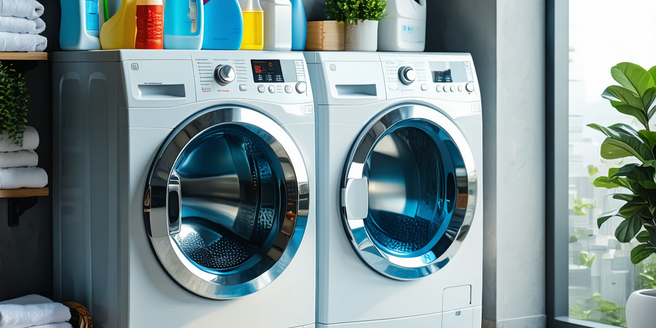
Water plays a crucial role in our daily lives, from the food we eat to the showers we take. Understanding how much water goes into everyday activities helps us appreciate its value. For instance, did you know that a single load of laundry can use up to 40 gallons of water? Or that a 10-minute shower consumes around 25 gallons? By comprehensively understanding where and how we use water, we can identify areas to cut back and adopt more efficient practices. Taking shorter showers, fixing drips, and using full loads in dishwashers and washing machines are simple steps to start conserving this precious resource. Recognizing our water footprint can lead to more mindful and sustainable usage, ultimately contributing to reducing the strain on our water supply.
Innovative Technologies for Water Conservation
Emerging technologies are revolutionizing how we approach water conservation. Smart home devices, such as water meters, report real-time usage directly to your smartphone, allowing for proactive management. Additionally, rain sensors connected to irrigation systems prevent unnecessary watering during rainfall. These innovations not only conserve water but also contribute to lowering overall utility costs. Low-flow showerheads and faucet aerators reduce water usage without sacrificing performance, showcasing how technology integrates sustainability into everyday life. Moreover, water-recycling systems in homes enable the reuse of water for non-potable purposes, conserving up to 50%. As these technologies advance, they become more accessible and affordable, empowering individuals and communities to optimize water usage efficiently. Investing in these solutions represents a forward-thinking approach to water management, setting a precedent for sustainable living.
Smart Irrigation Systems for Sustainable Gardening
Smart irrigation systems are transforming sustainable gardening. By utilizing weather data and soil moisture sensors, these systems provide the optimal amount of water to gardens or landscapes, reducing waste. They incorporate advanced technology to respond to real-time environmental conditions. They automatically adjust watering schedules based on changes in the environment, ensuring plants receive the necessary hydration without excess. This precision not only conserves water but also enhances plant health and growth. Features such as remote control via mobile apps allow users to efficiently manage their systems from anywhere. As more households adopt smart irrigation, collective efforts significantly reduce water consumption in urban landscapes. Implementing such technology combines water conservation with gardening convenience, contributing to long-term environmental sustainability.
Adopting Water-Saving Appliances and Fixtures
Adopting water-saving appliances in homes is a forward step towards sustainability. Innovations like dual-flush toilets, low-flow showerheads, and efficient dishwashers dramatically reduce water usage. These fixtures provide similar functionality and comfort but consume fewer resources, translating to savings on water bills and aiding ecological conservation. The environmental benefits of these technologies cannot be overstated, as they play a critical role in preserving our planet’s precious resources. Choosing appliances with top-tier efficiency ratings ensures optimized performance with minimal waste. Simple actions, such as installing faucet aerators, significantly decrease water flow without noticeable impact on usage comfort. As awareness grows, incorporating these appliances becomes standard practice in building designs, encouraging water stewardship in residential spaces. Leveraging such advancements makes a powerful statement about prioritization of resource conservation in modern living.
The Role of Rainwater Harvesting at Home
Rainwater harvesting at home offers an effective way to utilize a free and natural resource. By collecting rainwater from rooftops and storing it in tanks, households can use it for non-potable purposes such as watering gardens, flushing toilets, and washing cars. This method not only conserves water but also helps in reducing flood risk during heavy rains. This reduces dependence on municipal water supplies, alleviating pressure on local resources. Implementing simple systems involving gutters, pipes, and storage tanks is affordable, with significant potential savings on water bills. Encouraging rainwater collection emphasizes the value of natural water cycles and promotes sustainable practices. Embracing these systems at scale represents a commitment to environmental stewardship and smart resource management.
Greywater Recycling: A Step-by-Step Guide
Greywater recycling involves repurposing wastewater from household activities like bathing or laundering. This method significantly reduces water wastage by redirecting greywater for irrigation or toilet flushing. It is an effective step towards conserving the environment. Many communities are now offering incentives to homeowners who implement greywater systems. To begin, assess your home’s plumbing readiness; many systems only need minor additions for greywater reuse. Install diversion devices and filters to separate usable water from contaminants, ensuring it’s safe for intended reuse. Regular system maintenance ensures efficiency and hygiene. By adopting greywater recycling, households minimize wastewater disposal while conserving fresh water resources. This practical guide illustrates an accessible way to integrate ecological responsibility into everyday routines, enhancing sustainable living practices.
Tips for Reducing Water Waste in the Kitchen
Reducing water waste in the kitchen contributes significantly to overall conservation efforts. Start by fixing leaky faucets, saving gallons of water daily. Using a basin while rinsing fruits and vegetables limits water usage, and the collected water can nourish household plants. Not only does this practice conserve resources, but it also reduces your water bill over time. Choosing energy-efficient dishwashers over hand-washing is another efficient habit, especially when only running full loads. Pre-soaking dishes minimizes excessive water use during washing. Another tip is to defrost food in the refrigerator rather than under running water. Maintaining mindfulness about water consumption in kitchen practices fosters habits contributing to sustainable water usage, supporting wider environmental conservation efforts.
Effective Leak Detection and Repair Strategies
Identifying and repairing leaks are crucial in water conservation efforts. Even the smallest leaks can result in significant water loss if left unaddressed. Start by monitoring your water bill for any unusual spikes, which may indicate hidden leaks. Regular inspections by a professional can help catch problems that might go unnoticed. Employ simple methods, such as listening for drips or using food coloring in toilet tanks to detect leaks. Once identified, promptly repair or replace faulty components to prevent further wastage. Investing in smart leak detectors alerts homeowners of issues early, offering preventative solutions. Regular maintenance and vigilance against leaks protect water resources, aligning with sustainable living principles by conserving precious water.
Educational Programs Promoting Water Efficiency
Educational programs play a vital role in promoting water efficiency awareness. These initiatives, often organized by local governments or environmental organizations, aim to educate communities about sustainable water usage and conservation techniques. Workshops, school programs, and community events offer practical advice on reducing water consumption and embracing innovative conservation technologies. By engaging diverse audiences, these initiatives encourage collective responsibility for resource stewardship. Furthermore, they often inspire participants to advocate for policy changes that support sustainable water practices. Through hands-on activities, participants learn about their water footprint, empowering them to make informed decisions about consumption. Many of these programs also address the impact of climate change on local water resources. Education fosters a culture of water consciousness, crucial for maintaining long-term ecological balance.
Community-Based Initiatives for Water Conservation
Community-based initiatives are transforming water conservation efforts. By galvanizing local participation, these programs create impactful, collective action toward sustainable resource management. Residents collaborate on projects like restoring natural habitats, installing rain gardens, and organizing conservation awareness events. Such initiatives encourage shared responsibility, where individuals contribute to and benefit from conservation achievements. These efforts not only promote ecological balance but also inspire a culture of sustainability. These efforts also strengthen community bonds and promote environmental stewardship. Empowering communities fosters innovation and resilience, turning valuable conservation lessons into widespread, everyday practices. By leveraging local strengths and resources, community initiatives build a robust foundation for addressing broader environmental challenges, setting a replicable model for effective water conservation strategies nationwide.