Thrifting Strategies for Special Occasion Outfits
Know Your Occasion and Dress Code Requirements
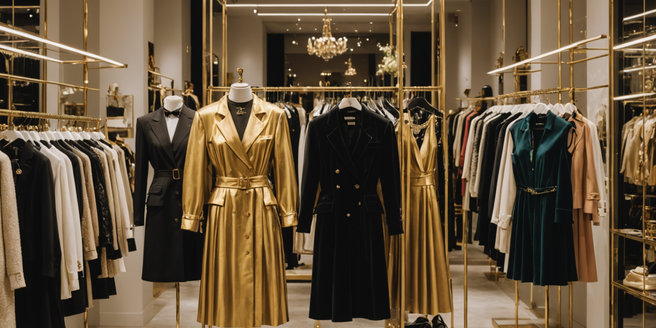
Before hitting the thrift store, understand the specific event’s dress code. Is it black-tie, business casual, or cocktail attire? Research the venue and expected formality level to guide your shopping decisions. Knowing whether you need a gown, blazer, or dressy separates helps you focus your search effectively. Consider the season and time of day, as these factors influence appropriate clothing choices. Take photos of dress codes or save style inspiration to reference while thrifting. Having a clear mental image of what you’re searching for will make the thrifting experience more efficient and enjoyable. This preparation prevents impulse purchases that won’t work for your occasion. Understanding requirements ensures you find pieces that fit the event perfectly, saving time and money while building confidence in your selection process.
Shop Off-Season for Better Selection and Prices
Thrift stores receive consistent inventory throughout the year, but shopping off-season yields significant advantages. Winter coats and formal wear are cheaper in spring and summer when demand decreases. Holiday dresses cost less in January and February. Summer cocktail dresses are abundant and affordable during fall months. Off-season shopping provides larger selections with less competition from other shoppers. Prices drop substantially when seasonal items cycle through thrift store inventory. You’ll find higher-quality pieces overlooked during peak seasons. This strategy is particularly effective at chain thrift stores, which rotate their merchandise frequently and predictably. Planning ahead and shopping off-season allows flexibility in your special occasion wardrobe. Build a versatile collection of occasion wear without budget constraints, giving yourself options for multiple events throughout the year.
Inspect Quality and Construction Before Purchasing
Carefully examine every piece before purchasing. Check seams for loose stitching or fraying that indicates poor construction or excessive wear. Look for stains, tears, or odors that might be difficult to remove. Feel the fabric quality and weight, assessing durability for repeated wear. Examine zippers, buttons, and closures to ensure functionality. Check hems for proper stitching and alterations. Search for pilling, fading, or discoloration on visible areas. Try items on when possible to check fit and comfort. Inspect underarms and necklines closely for sweat stains or damage. Test pockets for tears. Quality construction ensures your thrifted pieces will last through multiple events. Investment in well-made garments prevents disappointment and ensures you look polished for special occasions.
Master the Art of Mixing High and Low Fashion
Combine thrifted pieces with modern accessories or vice versa to create sophisticated looks. Pair a vintage designer blazer with contemporary trousers for polished elegance. Mix a thrifted gown with current jewelry and shoes for updated styling. Incorporate one investment piece with multiple thrifted components to elevate the overall aesthetic. The key is balancing different eras and price points cohesively. Thrifted vintage pieces often possess superior quality and unique design elements unavailable in modern retail. Pairing them with current trends keeps outfits feeling fresh and contemporary. This strategy maximizes your budget while creating distinctive looks. Mixing high and low fashion demonstrates style sophistication and creativity, ensuring your special occasion outfit appears intentional and well-curated rather than obviously budget-conscious.
Accessorize to Elevate Thrifted Pieces
Strategic accessorizing transforms simple thrifted pieces into stunning occasion wear. Statement jewelry instantly upgrades basic dresses or blouses. Scarves, belts, and wraps add dimension and polish to thrifted finds. Quality shoes and bags significantly impact overall appearance. Invest in classic accessories that complement multiple outfits. Thrifted accessories offer designer pieces at fraction of retail prices. A vintage silk scarf adds elegance to any ensemble. Designer bags and shoes enhance the perceived quality of affordable clothing. Coordinate accessories with your occasion’s formality level. Avoid over-accessorizing which dilutes the refined look. Proper accessories draw attention to your styled appearance rather than the garment’s thrifted origins. This approach creates cohesive, polished looks suitable for any special occasion.
Understand Sizing Variations Across Different Brands
Sizing varies dramatically between brands, eras, and manufacturers. Vintage clothing typically runs smaller than contemporary sizes. Designer brands often have unique sizing standards different from mass-market retailers. Always try items on rather than relying on labeled sizes. A size eight in one brand may fit differently than another brand’s eight. International brands use different sizing systems entirely. Measure garments flat when trying on isn’t possible. Compare measurements to items you already own and wear comfortably. Document which brands fit your body type best. Vintage and thrifted pieces sometimes feature unlabeled sizing, requiring fitting room trials. Understanding these variations prevents purchasing pieces that don’t fit properly. Patience with sizing ensures special occasion outfits fit flawlessly and flatter your silhouette.
Alterations and Quick Fixes for the Perfect Fit
Professional alterations transform thrifted pieces into perfectly fitting occasion wear. Hemming, tapering, and taking in seams are common adjustments. A skilled tailor can adjust bodices, sleeves, and necklines. Budget for alterations when purchasing thrifted pieces, as costs are typically reasonable. Quick fixes include temporary solutions like fabric tape for hems or safety pins for adjustments. Learning basic hand-sewing skills enables simple repairs and adjustments. Replacing buttons, fixing zippers, and reinforcing seams are DIY-friendly tasks. Quality alterations ensure thrifted pieces rival new items in appearance and fit. Strategic tailoring maximizes your thrift store finds, allowing you to purchase pieces in different sizes if styling is superior. Proper fit dramatically impacts how polished and intentional your special occasion outfit appears.
Building a Color Palette That Works for You
Developing a cohesive color palette ensures thrifted pieces coordinate effortlessly for special occasions. Determine which colors complement your skin tone, hair, and eye color. Choose two to three neutral base colors that work across multiple events and seasons. Add accent colors that enhance your complexion and personal style. Neutrals like black, navy, taupe, and cream provide versatility for mixing pieces. Jewel tones like emerald, sapphire, and ruby suit most skin tones beautifully. Coordinating color palettes allow mixing thrifted separates into numerous outfit combinations. This approach maximizes your wardrobe utility while maintaining cohesive styling. Stick to complementary colors when thrifting to ensure all pieces work together harmoniously. A thoughtfully curated color palette creates sophistication and makes special occasion outfit selection effortless.
Where to Shop: Best Thrift Stores for Occasion Wear
Specialized thrift stores often carry better occasion wear than general secondhand shops. Consignment boutiques focus on designer and high-quality pieces perfect for special events. Estate sales and vintage shops frequently feature elegant dresses and formal wear. Charity thrift stores organized by department offer dedicated formal sections. Online thrift platforms expand shopping options beyond local stores. Luxury consignment sites feature designer occasion wear at significant discounts. Neighborhood thrift stores require more hunting but offer occasional treasures. Shopping during sales events maximizes savings on occasion wear. Building relationships with store staff provides advance notice of new inventory. Auction houses and vintage markets specialize in unique statement pieces. Exploring diverse shopping venues increases selection and pricing options for your special occasion wardrobe.
Styling Tips to Make Thrifted Outfits Look Designer
Presentation determines whether thrifted pieces appear bargain or boutique. Tailored silhouettes always look more expensive and intentional than loose fits. Proper undergarments create smooth lines essential for polished appearances. Quality basics layer beneath thrifted pieces for refined styling. Confidence carries your outfit; wear pieces like they cost thousands. Professional grooming, hair, and makeup elevate thrifted clothing significantly. Attention to detail like hem integrity and button condition matters greatly. Strategic layering adds sophistication and visual interest. Neutral shoes and bags extend the high-fashion aesthetic. Avoiding logos or visible branding allows focus on silhouette and quality. Minimalist styling typically appears more expensive than over-accessorized looks. These styling techniques transform thrifted finds into designer-quality occasion wear that impresses.