Gas Bill Savings Tactics
Understanding Your Gas Bill Breakdown
Understanding your gas bill breakdown is essential for managing and reducing costs effectively. Typically, your bill comprises several components, including the basic supply charge, usage charges per unit consumed, taxes, and sometimes additional fees or surcharges. The supply charge is a fixed cost, while the usage charge varies based on consumption. By examining these sections, you can identify patterns or potential discrepancies in billing. It’s also helpful to compare your current usage with previous months to spot fluctuations. Understanding peak and off-peak rates, if they apply, can also offer insights into how you might alter your usage to achieve savings. Many gas companies provide detailed billing information online, which can be an invaluable resource for consumers looking to become more energy-savvy.
Seasonal Adjustments and Their Impacts
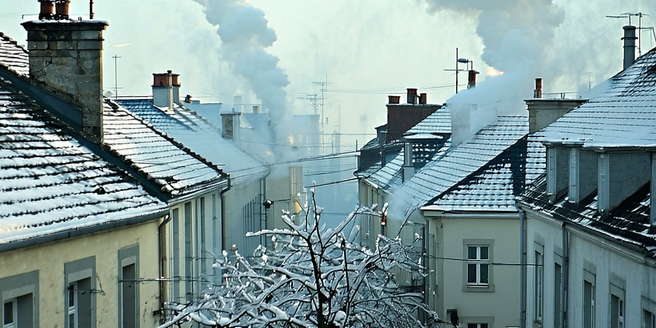
Seasonal adjustments can significantly impact your gas bill. During colder months, increased usage for heating can lead to higher charges, especially if the home isn’t well-insulated. Conversely, in warmer months, the bill may decrease as less heating is needed. Understanding these seasonal fluctuations helps in budgeting and planning ahead. Moreover, keeping track of weather forecasts can provide insights into potential changes in energy consumption. Implementing measures like programmable thermostats can help manage and reduce costs during peak seasons. Awareness of seasons’ billing differences encourages proactive adjustments in usage habits. Some providers offer budget billing, averaging annual costs to level seasonal high bills. Such understanding allows households to mitigate the financial impact by making energy-efficient decisions and possibly seeking alternatives or supplementary energy solutions.
Choosing Energy-Efficient Appliances
Selecting energy-efficient appliances is a strategic step in minimizing gas bills. These appliances are designed to consume less energy while performing at the same or higher levels of efficiency as standard models. When shopping for new equipment, look for the ENERGY STAR label; it indicates that the appliance meets strict energy efficiency guidelines. Consider upgrading old furnaces or water heaters, as newer models can be significantly more efficient. It’s critical to evaluate the EnergyGuide labels on appliances, which provide estimated energy consumption and cost. Investing in these appliances may have a higher upfront cost but results in long-term savings by lowering energy consumption. Such choices also contribute to environmental conservation by reducing the carbon footprint of your household.
Simple Home Improvements for Efficiency
Simple home improvements can substantially boost energy efficiency and reduce gas bills. Weatherstripping around doors and windows can prevent drafts, retaining heat within the home. Insulating attics, walls, and floors can also have a profound impact on energy retention. Replacing old windows with double-glazed or energy-efficient ones can further reduce heat loss. Implementing a regular maintenance schedule for heating systems ensures they operate optimally. Homeowners should also consider upgrading to a smart thermostat to better manage heating and cooling. Caulking gaps and adding door sweeps are easy adjustments with significant effects. These improvements not only increase comfort but also lower energy consumption and costs. Engaging in such home upgrades enhances efficiency, leading to sustained reductions in overall energy expenses while increasing the home’s value.
Harnessing Renewable Energy Sources
Harnessing renewable energy sources is becoming increasingly viable for homeowners looking to reduce reliance on traditional gas. Options such as solar panels, wind turbines, or geothermal systems can significantly offset energy needs and lower utility bills. Solar panels, for instance, convert sunlight into energy, potentially reducing or even negating gas usage for heating. While the initial investment can be substantial, tax incentives and decreasing costs are making this technology more accessible. Integrating renewable sources not only provides financial savings but also contributes to environmental sustainability. By diversifying energy sources, homes become more resilient to fluctuations in gas prices and futureproof against energy market changes, making renewables a compelling consideration for modern energy strategies.