Community Gardens and Gardening Club Participation
The Rise of Community Gardens in Urban Areas
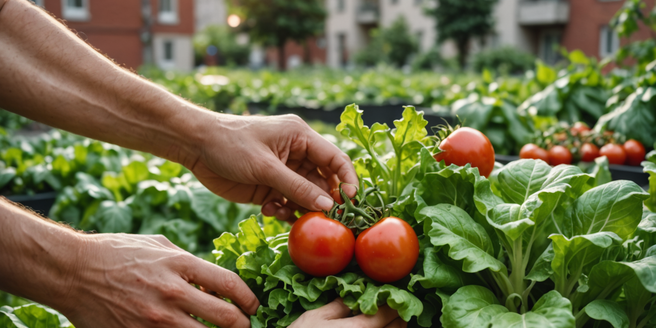
Community gardens have transformed urban landscapes across the globe, converting vacant lots into vibrant green spaces. Cities like New York, London, and Toronto have witnessed explosive growth in these shared gardening initiatives. Urban dwellers increasingly recognize the value of accessible green space for mental health and environmental wellness. These gardens serve as oases within concrete jungles, providing fresh produce and natural beauty. The movement addresses food deserts in underserved neighborhoods, promoting food equity. Local governments now actively support garden initiatives through zoning reforms and funding. Community gardens foster neighborhood cohesion while beautifying streets and reducing the urban heat island effect. Schools and nonprofits partner with residents to establish these spaces. The trend reflects a broader shift toward sustainable urban living and reconnection with nature. What started as grassroots movements has become mainstream urban planning strategy.
Benefits of Joining a Local Gardening Club
Local gardening clubs offer tremendous advantages for both novice and experienced gardeners. Members gain access to expert knowledge, shared resources, and collective purchasing power for supplies. Clubs organize workshops on composting, pest management, and seasonal planting techniques. The social aspect combats isolation, creating meaningful friendships among like-minded individuals. Group excursions to botanical gardens and seed exchanges foster community spirit. Clubs provide mentorship opportunities where experienced gardeners guide newcomers. Members benefit from shared problem-solving when facing garden challenges. Networking within clubs often leads to plant swaps and seed sharing. Many clubs maintain demonstration gardens serving educational purposes. Participation encourages accountability and motivation for gardening projects. Clubs often advocate for local environmental policies and conservation efforts. Belonging creates a supportive network celebrating gardening successes together and learning from setbacks collaboratively.
Getting Started: How to Find a Community Garden Near You
Finding a community garden is easier than ever with modern resources available. Start by searching online directories specific to your city or region listing active gardens. Contact your local parks department, as they often maintain community garden programs and waiting lists. Neighborhood associations frequently know about nearby gardens and community initiatives. Social media platforms like Facebook host community garden groups sharing locations and opportunities. Visit local farmers markets where gardeners often network and share information. Community centers and libraries typically post flyers about gardening opportunities. Walk your neighborhood to spot garden signage and talk with active gardeners. Nonprofit organizations focused on urban agriculture maintain databases of local gardens. Attend neighborhood meetings where gardens are frequently discussed. Local universities and agricultural extension offices provide referral services. Many gardens maintain websites detailing membership procedures, plot availability, and contact information. Begin with a visit to observe operations before committing to joining.
Essential Tools and Supplies for Community Gardeners
Successful community gardening requires basic tools and supplies readily available at garden centers. Hand tools including shovels, spades, hoes, and rakes form the foundation of any garden toolkit. Pruning shears and secateurs maintain plant health and shape throughout growing seasons. Gardening gloves protect hands from soil, thorns, and potential irritants during work. Watering cans or hoses ensure consistent moisture for plant development. Quality soil amendments like compost and mulch improve garden beds significantly. Fencing and trellises support climbing plants and define garden spaces. Basic pest management supplies including netting and organic solutions protect crops naturally. Storage containers keep tools organized and accessible. Work benches facilitate seed starting and propagation activities. Wheelbarrows transport soil and harvest efficiently. Protective eyewear and sunscreen ensure gardener safety and comfort. Most community gardens provide shared tool storage, reducing individual investment burdens and fostering resource efficiency.
Building Connections: Social Benefits of Group Gardening
Group gardening creates profound social connections among diverse community members. Working alongside neighbors fosters genuine relationships transcending typical urban anonymity. Shared garden responsibilities build trust and interdependence within communities. Gardening groups celebrate harvests together, creating memorable communal experiences. Intergenerational interactions occur naturally as elders share wisdom with younger gardeners. Cultural diversity enriches gardens as members introduce heirloom seeds and traditional growing methods. Garden gatherings provide informal spaces for conversation and relationship building. Volunteers develop leadership skills through organizing events and managing garden operations. Newcomers integrate into communities quickly through welcoming garden environments. Mental health improves through meaningful social engagement and collective purpose. Children learn cooperation and environmental stewardship from adult gardeners. Garden celebrations mark seasonal milestones, strengthening social bonds. These connections extend beyond gardening, creating support networks addressing broader community needs and fostering resilience.
Sustainable Practices: Growing Organic in Shared Spaces
Organic gardening practices protect both environmental and human health in community spaces. Composting kitchen scraps and yard waste eliminates landfill contributions while creating nutrient-rich soil amendments. Natural pest management using beneficial insects and companion planting reduces chemical dependency significantly. Water conservation through mulching and drip irrigation systems minimizes waste in shared gardens. Crop rotation prevents soil depletion and naturally manages pest populations. Native plants support local pollinator populations and require minimal maintenance inputs. Rainwater harvesting systems capture precipitation for irrigation purposes. Seed saving preserves heirloom varieties and reduces purchasing needs yearly. No-till gardening methods preserve soil structure and beneficial microorganisms. Green manure crops restore nitrogen and soil fertility between seasons. Recycled materials including reclaimed wood and containers reduce resource consumption. Shared knowledge about sustainable practices strengthens collective commitment to environmental stewardship and long-term garden viability.
Overcoming Common Challenges in Community Gardens
Community gardens face various challenges requiring collaborative problem-solving approaches. Poor soil quality necessitates amendment strategies and raised bed construction solutions. Inconsistent member participation requires clear expectations and flexible scheduling options. Pest and disease management demands integrated organic approaches acceptable to all gardeners. Water access and availability limitations require efficient irrigation and conservation systems. Neighborhood conflicts arise occasionally, requiring clear garden policies and communication channels. Vandalism threatens garden security, prompting protective measures and community awareness campaigns. Tool sharing and maintenance issues need established responsibility systems and storage solutions. Plot assignment conflicts require fair allocation methods and transparent selection processes. Volunteer burnout occurs when responsibilities concentrate among few individuals. Finding funding for supplies and maintenance demands grant writing and fundraising creativity. Seasonal decline in participation requires engaging activities maintaining interest year-round. Addressing these challenges strengthens communities and improves garden sustainability.
Educational Workshops and Skill-Sharing Opportunities
Educational workshops transform community gardens into learning hubs serving diverse skill levels. Master gardeners lead sessions on composting, soil science, and plant propagation techniques. Workshops address organic pest management, natural remedies, and companion planting strategies comprehensively. Cooking demonstrations showcase recipes using garden harvests, connecting growing to nutrition. Youth programs teach environmental stewardship and food systems understanding to younger generations. Seasonal workshops prepare gardeners for upcoming planting, maintenance, and harvesting cycles. Expert speakers discuss climate adaptation, water conservation, and sustainable agriculture innovations. Seed saving workshops preserve heirloom varieties while reducing purchasing expenses. Tool maintenance classes extend equipment lifespan through proper care techniques. Garden design workshops help members optimize layouts for production and aesthetics. Food preservation workshops teach canning, fermenting, and storage techniques. Mentorship programs pair experienced gardeners with enthusiastic learners. These educational opportunities democratize horticultural knowledge, empowering gardeners and strengthening communities.
Seasonal Planning: What to Plant and When
Successful seasonal planning maximizes garden productivity throughout the year. Spring planting begins with cool-season crops including lettuce, peas, and spinach after frost danger passes. Summer gardens thrive with heat-loving plants like tomatoes, peppers, and beans requiring consistent warmth. Fall plantings extend growing seasons with broccoli, kale, and root vegetables tolerating cooler temperatures. Winter gardening focuses on hardy crops and indoor gardening alternatives in cold climates. Understanding local frost dates guides timing decisions preventing crop loss from unexpected freezes. Succession planting extends harvests by staggering seed sowing every two to three weeks. Crop rotation prevents soil depletion and disease accumulation year after year. Perennial plantings provide consistent yields with minimal annual replanting requirements. Garden calendars specific to local regions guide planting decisions accurately. Seed catalogs provide invaluable information about variety maturation rates and seasonal requirements. Planning cooperatively allows gardeners to coordinate plantings and share seasonal expertise.
Making a Difference: Community Gardens and Food Security
Community gardens directly address food insecurity in underserved neighborhoods significantly. Gardens provide fresh produce access for residents living in food deserts lacking grocery options. Growing food locally reduces transportation costs and environmental impacts associated with industrial agriculture. Abundant harvests create surplus enabling members to share produce with neighbors and food banks. Gardening education empowers residents to grow nutritious food independently and sustainably. Youth involvement in gardens creates healthy eating habits and environmental awareness early. Gardens increase neighborhood property values while improving overall community health outcomes. Food production builds economic resilience, particularly for low-income households facing inflation pressures. Community-supported agriculture models connect gardens to broader food justice initiatives. Improved nutrition from fresh produce reduces diet-related diseases and healthcare costs. Gardening creates employment opportunities through education and maintenance positions. These initiatives support food sovereignty, allowing communities to control food systems locally and equitably.