Water Heater Maintenance to Improve Efficiency
Understanding Your Water Heater Type and Age
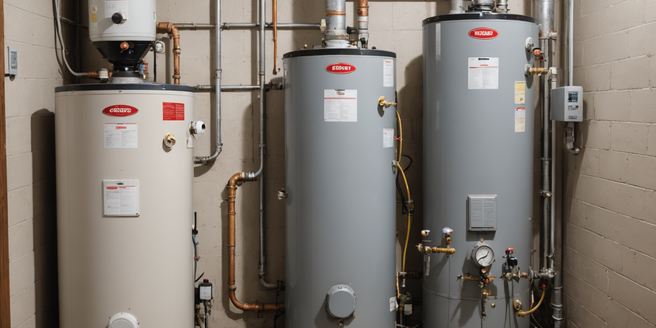
Your water heater type significantly impacts maintenance needs and efficiency. Tank-style heaters store hot water continuously, while tankless models heat water on demand. Knowing your unit’s age is crucial since most water heaters last 8-12 years. Older units lose efficiency gradually, consuming more energy to maintain temperature. Check your heater’s manufacturing date on the serial number label. Gas heaters typically have shorter lifespans than electric models. Understanding whether you have a conventional, heat pump, or solar water heater helps determine appropriate maintenance schedules. Documenting installation dates allows you to anticipate replacement needs before catastrophic failure. Regular checks become increasingly important as your unit ages, helping extend its operational life and maintain peak performance throughout its service years.
The Importance of Regular Flushing and Sediment Removal
Sediment accumulation inside your water heater tank significantly reduces efficiency and performance. Minerals from hard water settle at the tank bottom, creating an insulating layer that forces your heater to work harder. Annual flushing removes these deposits, restoring heating efficiency and extending unit lifespan. The process involves draining the tank completely and flushing with fresh water until clear. Regular flushing prevents corrosion, reduces noise, and maintains consistent water temperature. In areas with hard water, flushing twice yearly proves beneficial. This maintenance task is relatively simple but requires care with hot water and pressure. Neglecting sediment removal can reduce efficiency by 20-30 percent, significantly increasing energy bills over time.
Insulating Pipes and Tanks to Reduce Heat Loss
Insulation minimizes heat loss as hot water travels through pipes and sits in your tank. Uninsulated pipes lose significant heat, requiring your heater to reheat water frequently. Pipe insulation foam wraps easily around exposed pipes, especially in unheated spaces like basements and attics. Tank insulation blankets provide additional protection, improving efficiency by 25-45 percent. Ensure insulation doesn’t cover thermostat areas or ventilation openings on gas heaters. This simple upgrade costs relatively little but delivers substantial savings on energy bills. Insulation also prevents pipe freezing in cold climates and reduces scalding risks. Both materials are readily available at hardware stores and install without professional help. These improvements work together with other maintenance tasks to optimize your system’s overall performance.
Checking and Maintaining Your Thermostat Settings
Proper thermostat settings balance comfort with energy efficiency. Most manufacturers recommend 120 degrees Fahrenheit as the optimal temperature for residential use. Higher settings waste energy and increase scalding hazards, especially for children and elderly residents. Lower settings may promote bacterial growth and insufficient hot water supply. Check your current setting with an accurate thermometer near the tap, as dials may drift over time. Electronic thermostats on newer models provide precise temperature control. Adjusting temperature by just 10 degrees saves approximately 3-5 percent on water heating costs annually. Seasonal adjustments prove beneficial, lowering temperatures when demand decreases. Modern programmable thermostats allow scheduling adjustments based on usage patterns. Regular monitoring ensures your settings remain optimal throughout the year.
Inspecting Valves and Connections for Leaks
Valves and connections are common leak sources that waste water and energy. The pressure relief valve prevents dangerous pressure buildup and requires periodic testing. Lift the valve lever briefly to release pressure and check for proper operation. Examine all visible connections at the tank base and incoming water lines for drips or corrosion. Small leaks often precede major failures, so prompt attention prevents costly damage. Corroded or leaking connections may require professional replacement. Check shutoff valves annually to ensure they operate smoothly. Frozen or stuck valves indicate maintenance needs before emergency situations develop. Even minor drips waste thousands of gallons annually and increase energy costs. Regular inspection catches problems early, reducing repair expenses and water loss.
Professional Inspection and When to Replace Your Unit
Professional inspections identify hidden problems and ensure safe operation. Licensed technicians have specialized tools to assess internal tank conditions and component functionality. Schedule professional inspections every 2-3 years, or annually for units over 10 years old. Consider replacement if repairs cost over 50 percent of a new unit’s price. Units showing rust, persistent leaks, or inconsistent temperature warrant replacement. Modern high-efficiency models offer significant energy savings over older units. Upgrading to tankless or solar options provides long-term benefits despite higher upfront costs. Planning replacement during non-emergency periods allows careful model selection. Professional installation ensures proper setup and warranty coverage. Proactive replacement prevents unexpected breakdowns during peak usage seasons when repairs cost extra.